
 Emma Jantzen
 Ultimate Kentucky Bourbon Trail Guide: Distillery Tours, Tasting Tips & Trip Planning
The Bourbon Trail remains one of the most compelling travel experiences for spirit lovers and curious travelers alike. Centered in Kentucky, the trail connects historic, large-scale distilleries with smaller craft producers, offering a mix of guided tours, tasting rooms, and behind-the-scenes access to the making of bourbon.
What to expect on the trail
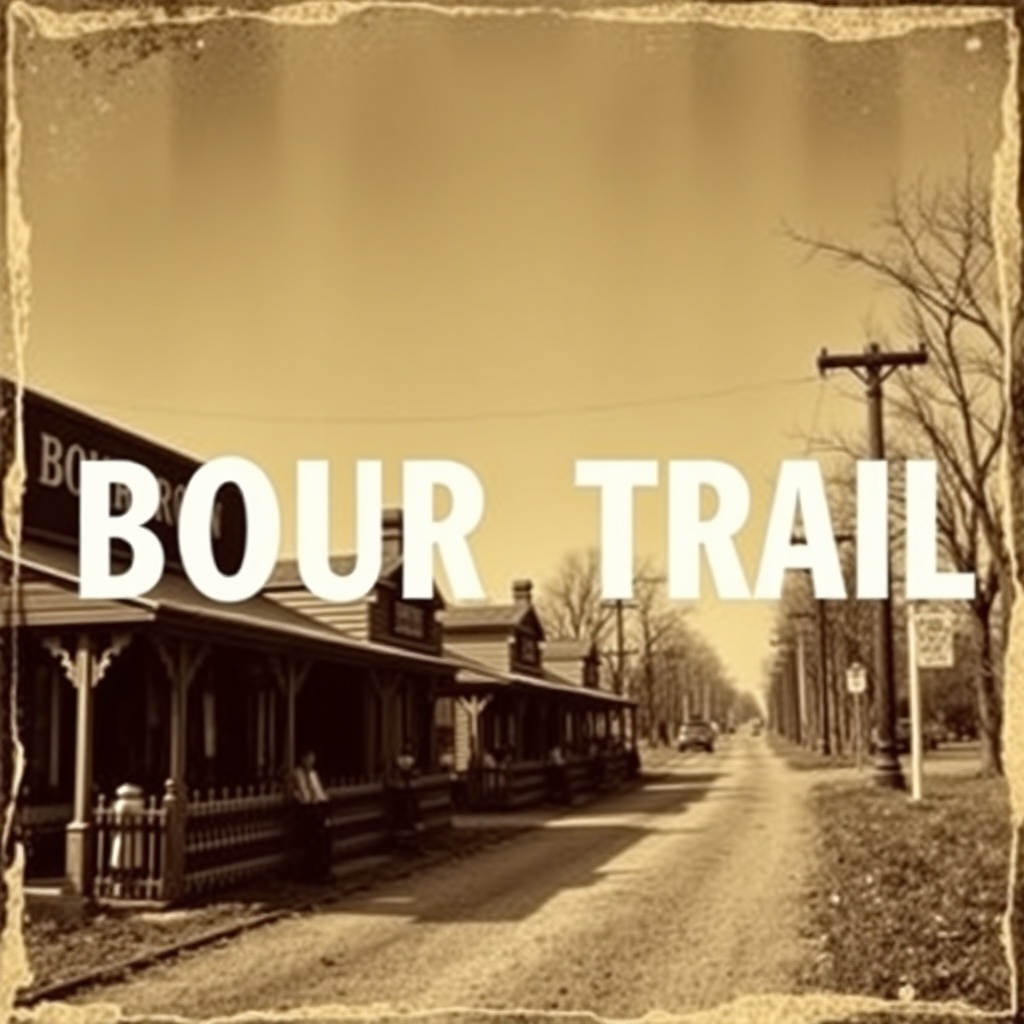
Distillery tours typically cover the core elements of bourbon production: mash bills, fermentation, distillation, and aging in new charred oak barrels. Many tours end with curated tastings that highlight signature expressions—ranging from light, spicy profiles to rich, barrel-proof pours. Some distilleries offer premium tastings or cocktail experiences that require advance reservations.
Planning your visit
– Choose a hub: Cities like Louisville, Bardstown, and Lexington are convenient bases with lodging, dining, and transportation options. Pick a central location to minimize driving time between stops.
– Book ahead: Popular tours and limited tastings often fill up quickly. Reserve spots, especially for specialty tours or weekend visits.
– Transportation: Designated drivers, guided vans, or private chauffeured options keep the experience safe and relaxed. Rideshare services work for shorter hops, but plan logistics when visiting more rural sites.
– Check accessibility and policies: Distilleries vary in accessibility, pet policies, and items allowed on-site. Review each distillery’s website before you go.
Tasting etiquette and tips
– Smell before sipping: Nose the sample to identify vanilla, caramel, spice, oak, and fruit notes.
– Sip slowly: Bourbon is meant to be savored. Take small sips to assess texture and finish.
– Experiment with water: A few drops of water can open up aromas and flavors on higher-proof pours.
– Know your limits: Space out tastings, eat between stops, and stay hydrated. Carry a photo ID and respect local drinking laws.
Highlights to look for
– Distillery-only bottlings: Many distilleries release exclusive bottles available only at the visitor center—these make memorable souvenirs.
– Cooperage and barrel programs: Some tours include cooperage demonstrations or the chance to purchase barrel-head art and staves.
– Historic sites: Several locations blend rich local history with distilling heritage, offering museums and interpretive exhibits.
– Craft distillers: The trail’s craft segment showcases innovative mash bills and small-batch techniques that contrast with larger, established brands.
Food, lodging, and extras
Pair tastings with local cuisine—barbecue, Southern comfort food, and farm-to-table spots complement bourbon well. Many towns on the trail offer boutique inns and historic hotels that enhance the overall experience. Consider adding a bourbon education class or cocktail workshop to deepen your appreciation.
Responsible enjoyment
Prioritize safety: plan transportation, pace tastings, and never drink and drive. Treat staff and other visitors courteously; staff are there to educate and ensure an enjoyable visit for everyone.
With thoughtful planning, tours, and a spirit of curiosity, a visit to the Bourbon Trail becomes more than a series of tastings—it’s a deep dive into craft, history, and flavor.
Book in advance, bring an appetite for learning, and leave room in your luggage for a bottle or two that can’t be found elsewhere.