
 Emma Jantzen
 Unleashing the Flavors of Louisiana: An In-Depth Exploration of Cajun Cuisine
Cajun cuisine, with its bold flavors and vibrant history, is more than just a culinary style.
It’s a cultural phenomenon that has taken the world by storm. From the rustic kitchens of Louisiana to gourmet restaurants in metropolises worldwide, the rich taste of Cajun cooking has carved an enduring place in the global gastronomic landscape.
Originating from the French Acadian immigrants in Louisiana, Cajun cooking is a hearty mix of native and European influences.
The cultural fusion is reflected in the multilayered flavors of this distinctive cuisine. It’s the tale of a resilient community that turned hardships into a flavorful celebration that we know and love today.
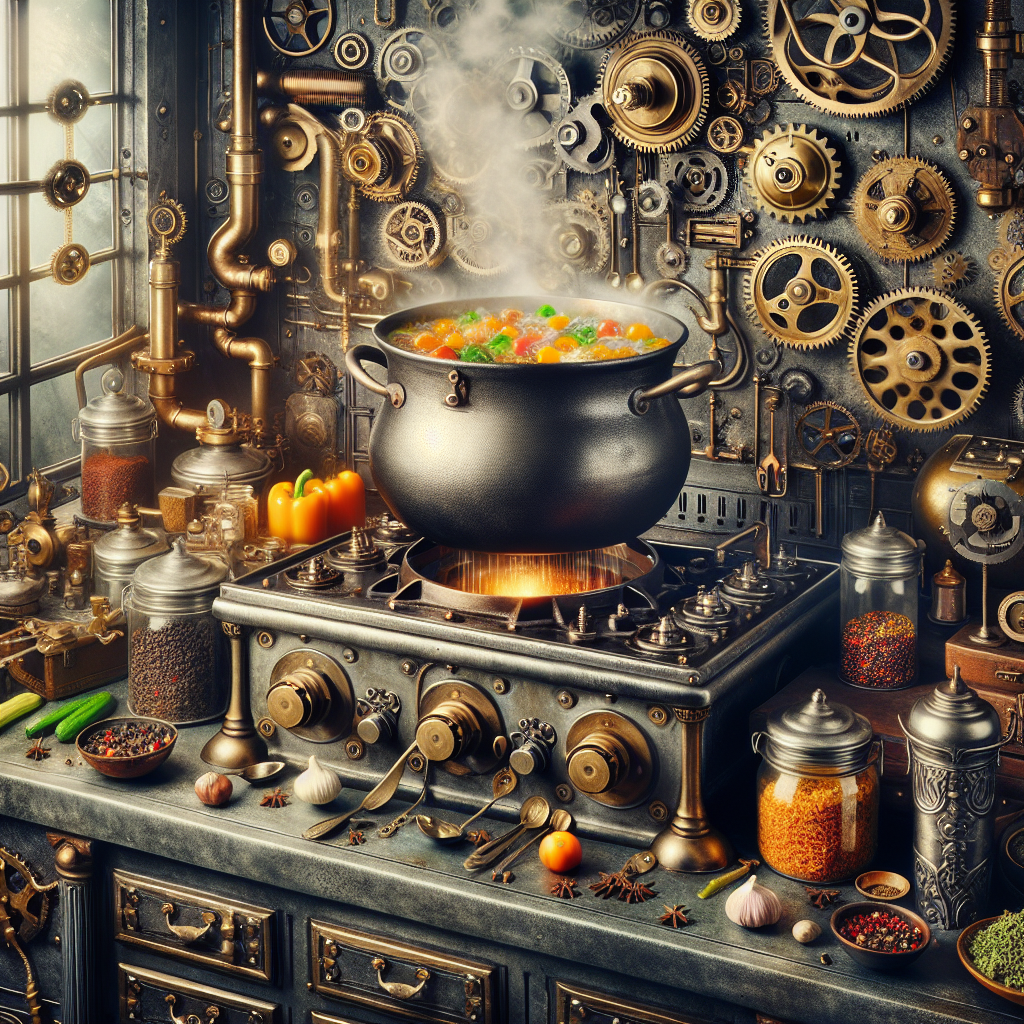
Central to Cajun cooking is the “Holy Trinity” of bell peppers, onions, and celery. This aromatic base is used in most dishes like gumbo, jambalaya, and étouffée, providing a robust foundation for other ingredients and spices to shine. It’s akin to mirepoix in French cuisine, but with a delightful twist that’s quintessentially Cajun.
One cannot discuss Cajun cuisine without mentioning its seafood dishes. Due to Louisiana’s abundant waterways, freshwater fish and crustaceans are widely used. Crawfish boils and catfish court-bouillon are just a few examples that exhibit the cuisine’s love for seafood.
However, Cajun cooking isn’t restricted to seafood. Chicken and sausages also feature prominently, exemplified in dishes such as boudin, a type of sausage made from pork, rice, and spices, and poulet à la Créole, a chicken dish simmered with tomatoes and the Holy Trinity.
One distinct characteristic of Cajun cooking is its liberal use of spices. Far from being just fiery, the use of spices in Cajun cuisine is a delicate art, balancing heat with flavor. Cayenne, paprika, garlic, and thyme are regulars, creating a symphony of flavors that’s deeply satisfying.
Currently, there’s a growing trend of cooking authentic Cajun food at home. This is largely due to the rise of online cooking classes and easy access to regional ingredients through e-commerce platforms. Now, food enthusiasts can recreate their favorite Cajun dishes in their kitchens, bringing a piece of Louisiana home.
Even as Cajun cuisine retains its traditional roots, contemporary interpretations are also emerging. Chefs worldwide are pushing the boundaries, incorporating Cajun flavors into different culinary traditions.
It’s not unusual to find Cajun-inspired pasta or Cajun fusion tacos on restaurant menus today, demonstrating the adaptability and universal appeal of this cuisine.
One significant impact of Cajun cuisine’s popularity is its contribution to local economies. As more people develop a palate for these dishes, it fuels demand for Louisiana’s agricultural and seafood products. From the humble crawfish farmer to the spice merchant, the ripple effect benefits many.
In the realm of Cajun cooking, one can find a world steeped in tradition, resilience, and community.
It’s a world where food is a celebration, a comforting reminder of home, and a testament to the enduring spirit of a culture. To taste Cajun food is to partake in this rich heritage.
Whether you’re a seasoned gourmand or a curious foodie, exploring Cajun cuisine opens up a universe of flavor and history. So go ahead, savor the sizzle of Cajun cooking. Let the medley of spices, fresh ingredients, and time-tested recipes transport you to the heart of Louisiana, one bite at a time.