
 Emma Jantzen
 Unraveling the Mysteries of Cajun Cuisine: A Journey Through Louisiana’s Flavorful Heritage
At the Intersection of Culture and Cuisine: A Deep Dive into Cajun Cooking
Cajun cuisine, a rustic, hearty, and flavorsome style of cooking, has been delighting palates and shaping regional identities for centuries. Originating in Louisiana, the birthplace of jazz and a melting pot of cultures, this culinary tradition mirrors the region’s diverse heritage.
Cajun cooking is famed for its unique combination of French techniques and local ingredients, brought to life by the Acadian people. These French-speaking colonists, displaced from Canada’s eastern coast, settled in Louisiana, bringing with them their rich culinary traditions. Today, these traditions continue to evolve, continually demonstrating the vibrancy and dynamism of Cajun cuisine.
One of the defining characteristics of Cajun cooking is its reliance on the “holy trinity” of bell peppers, onions, and celery. This trio mirrors the French mirepoix but substitutes green bell peppers for carrots, creating a distinct base for many Cajun dishes. When combined with garlic, spices, and locally sourced meats or seafood, the result is a flavorful and hearty meal, distinctly Cajun and unmistakably delicious.
Take, for instance, the iconic Gumbo. This hearty soup-stew hybrid is emblematic of Cajun cooking’s resourcefulness.
It incorporates whatever meat or seafood is on hand, paired with a heavily spiced roux and the holy trinity of vegetables. Similarly, Jambalaya, a close cousin to Spain’s paella, is another example of Cajun cuisine’s adaptability. It’s a one-pot wonder that showcases the region’s abundant seafood, poultry, and sausages.
When it comes to seasoning, Cajun cooking is anything but shy.
It embraces a bold, spicy, and robust flavor palette, primarily due to the use of Cajun spice mix.
This blend of paprika, cayenne, garlic powder, pepper, and oregano adds a vibrant layer of flavor to any dish it graces.
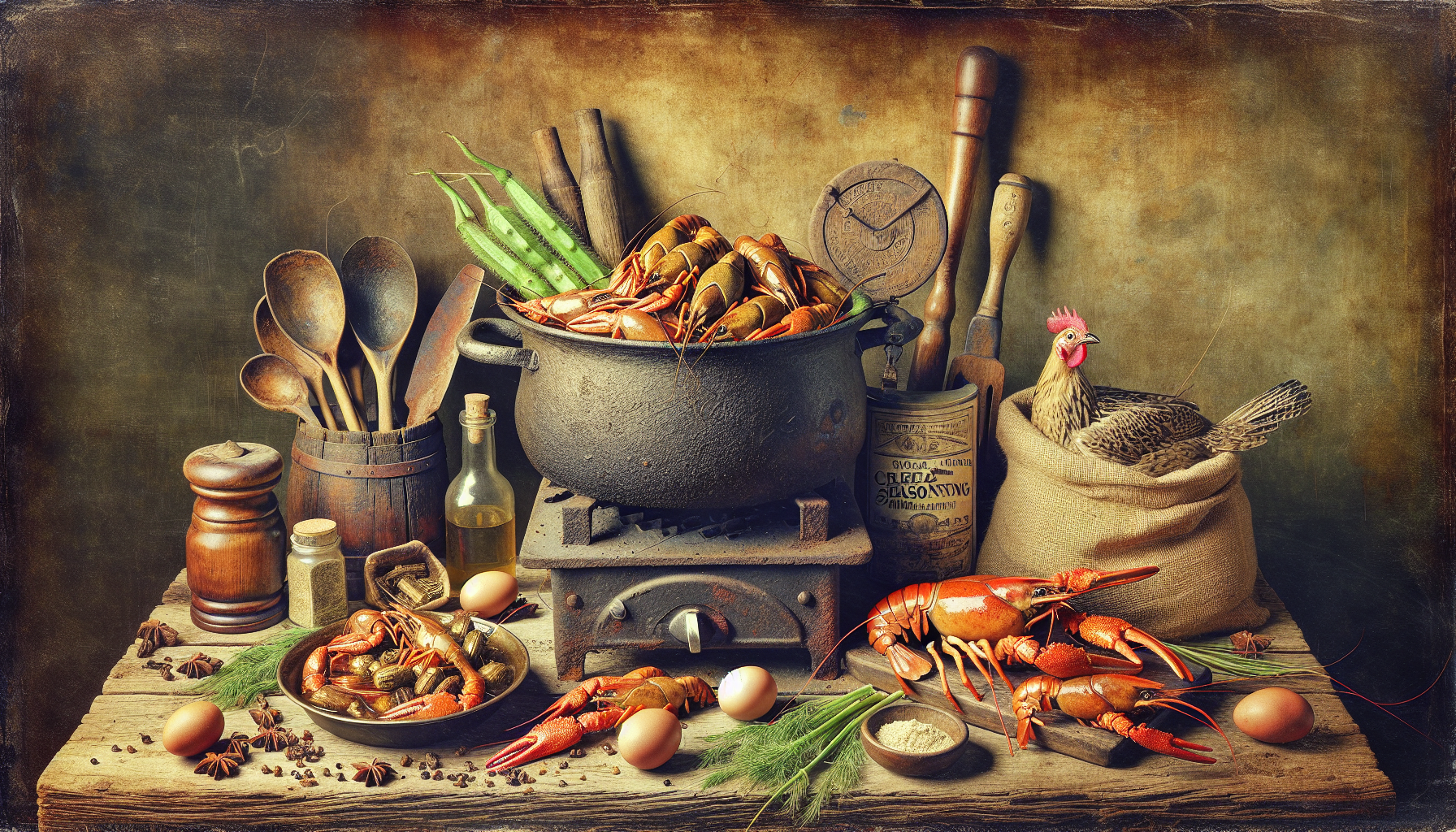
Crawfish boils are another integral part of Cajun culture, bringing communities together around a shared table. Here, the crawfish are boiled with corn, potatoes, and a generous amount of Cajun seasoning, resulting in a rich, flavorful feast enjoyed by all. This communal aspect of Cajun cooking underscores its role in fostering unity and connection, truly making it a cuisine of the people.
In recent years, Cajun cuisine has experienced a resurgence in popularity, which has seen it move beyond Louisiana’s borders.
Today, Cajun food trucks and pop-ups can be found far and wide, from the streets of New York to the lanes of London. This global recognition signifies the universal appeal of its hearty flavors and the enduring charm of its rustic simplicity.
However, while Cajun cuisine adapts to modern tastes and explores new avenues, its core remains true to its roots. Its essence lies in the ingenious use of local ingredients, simple techniques, and a communal spirit that echoes in every pot of gumbo or crawfish boil. Regardless of where it travels, the heart of Cajun cooking continues to beat in the vibrant culture and rich history of Louisiana.
As we explore the myriad flavors and stories embedded in Cajun cuisine, we encounter a culinary tradition that warmly invites us to partake in its vibrant dance of tastes. From the humble trinity of vegetables to the crowd-pleasing crawfish boils, there’s a wealth of experiences awaiting discovery within Cajun cooking. Delve into the world of Cajun cuisine, and you’ll find not just a cooking style, but a celebration of culture, community, and the joy of heartwarming food.