
 Emma Jantzen
 What Is Cajun Cooking? A Beginner’s Guide to Ingredients, Techniques & Tips
What is Cajun cooking?
Cajun cooking is a rustic, flavor-forward style that grew out of resourcefulness—making bold, satisfying food from what’s on hand. Rooted in the traditions of French-Acadian settlers and shaped by African, Native American, and Spanish influences, it centers on robust spices, slow-building flavor, and one-pot comfort.
Core ingredients and flavor building blocks
– The Trinity: onion, celery, and green bell pepper form the aromatic base for most Cajun dishes.
Chop them finely for rapid flavor release or larger for slow stews.
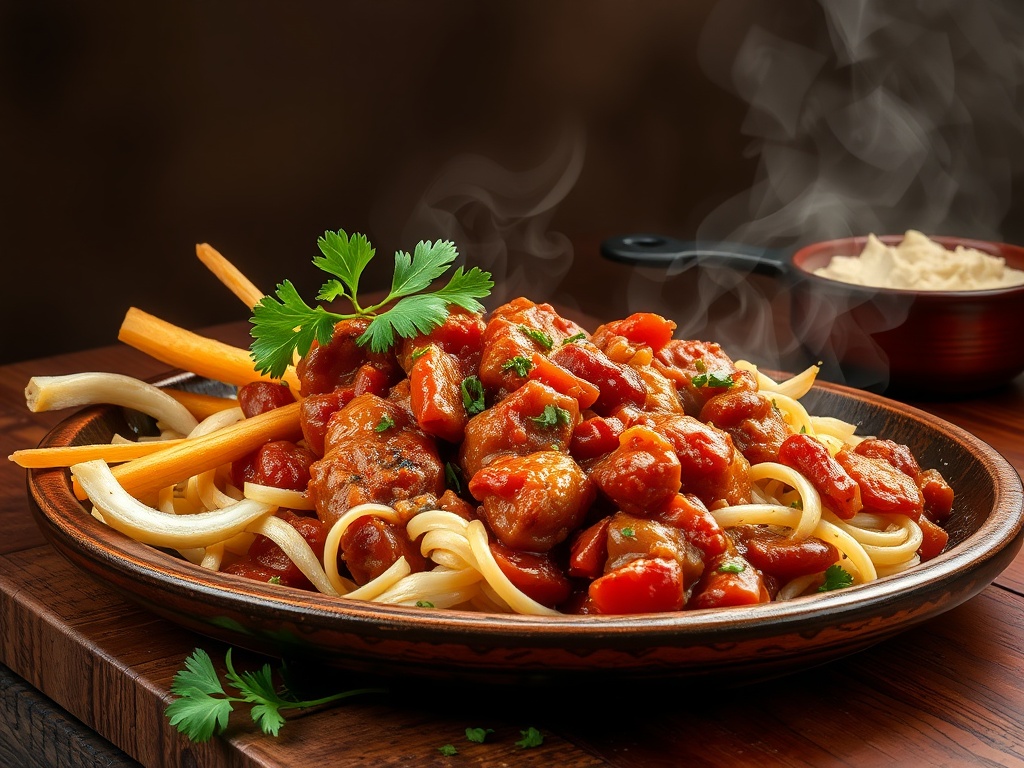
– Roux: a cooked paste of fat and flour that thickens and flavors gumbos and étouffées.
Color matters—from light (nutty, thickening power) to deep brown (rich, toasted flavor). Control heat carefully to avoid burning; stir constantly once the roux darkens.
– Stock: use homemade or low-sodium seafood, chicken, or vegetable stock. A good stock lifts simple ingredients into complex dishes.
– Spice: cayenne, black pepper, paprika, and garlic powder are staples.
A balanced Cajun seasoning blends heat, smokiness, and savory notes—adjust to taste.
– Seafood and pork: shrimp, crab, crawfish, smoked sausage, and country ham are common proteins, often combined for maximum depth.
Techniques that make a difference
– Making a stable roux: use equal weights of fat and flour. Start over medium heat, whisking continuously. If using oil or lard, a pale chestnut color takes 15–20 minutes; butter yields a faster, lighter roux. For deep brown, lower the heat and be patient—flavor develops without burning.
– Layering flavors: brown proteins first to get fond, deglaze with stock or wine, then add the trinity and spices. This sequence builds complexity.
– One-pot jambalaya: start with browning sausage and chicken, add rice and liquid without rinsing, then simmer gently. Avoid stirring too much once rice is cooking to prevent a mushy texture.
– Blackening: preheat a heavy cast-iron skillet until smoking hot, coat protein with melted butter and a high-heat spice rub, and sear briefly on each side. This creates a crisp, charred crust—work in a well-ventilated area.
Practical tips for home cooks
– Substitute smartly: if crawfish aren’t available, shrimp or firm white fish work well. Smoked sausage can replace specialty cured meats in many recipes.
– Salt mindfully: because stocks and sausages can be salty, add salt toward the end of cooking to avoid over-seasoning.
– Make-ahead strategies: roux, stocks, and seasoning blends store well in the fridge or freezer. A jar of homemade Cajun spice mix speeds midweek meals.
– Heat control: manage spice using paprika or smoked paprika to add warmth without burning your palate. Offer hot sauce at the table so guests can customize heat.
Serving and pairing
Cajun dishes pair well with crusty bread to mop up sauces, simple green salads to cut richness, and cold beer or crisp white wine. For family-style meals, serve gumbo over rice, let guests spoon into bowls, and top with parsley or sliced green onions.
Respectful cooking
Honor the cuisine’s regional roots by focusing on fresh ingredients and straightforward technique rather than gimmicks.
Bold, honest flavors and careful technique showcase the spirit of Cajun cooking—accessible, soulful, and deeply satisfying.
0 Comment