
 Emma Jantzen
 Why Magnolia Trees Remain a Garden Favorite: Varieties, Care Tips & Landscape Uses
Why magnolia trees remain a garden favorite
Magnolias bring dramatic blooms, glossy foliage, and a sense of timeless elegance to landscapes.
With species ranging from broadleaf evergreens to delicate early-flowering shrubs, they suit many garden styles — from formal driveways to cottage borders.
Knowing a few key care points will help these striking trees thrive.
Choosing the right variety
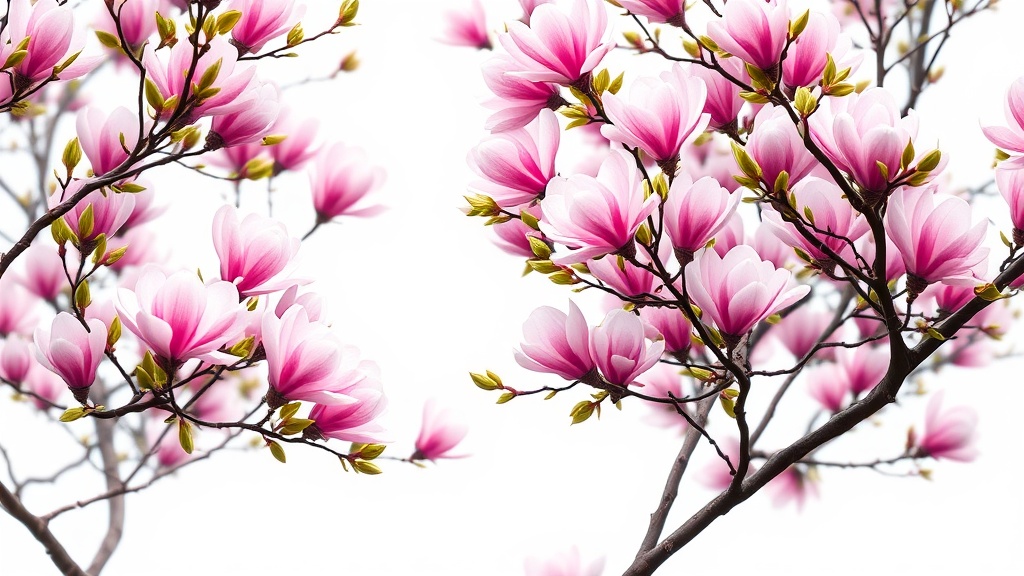
Magnolia varieties differ widely. Large evergreen types with big white blooms are ideal for warm, sheltered sites and make excellent screening trees. Deciduous magnolias offer spectacular spring flowers in shades of white, pink, and purple; smaller cultivars and star-magnolias work well where space is limited or for container planting. Match the cultivar to your climate, available space, and the look you want: some are compact and shrub-like, others become cathedral-tall specimens.
Planting and siting
Magnolias prefer a location with morning sun and some afternoon shade in hot climates. Planting in a sheltered spot reduces wind damage to large blooms and branches. Soil should be deeply worked, rich in organic matter, and well drained; magnolias tolerate a range of pH but often perform best in slightly acidic to neutral soils.
Because many magnolias have shallow, spreading roots, avoid planting them too close to foundations or paved areas.
Watering, mulching, and feeding
Young magnolias need consistent moisture while they establish. Water deeply and less frequently rather than surface watering, encouraging deeper root growth. Apply a 2–4 inch layer of organic mulch, leaving a small gap at the trunk to prevent rot; mulch conserves moisture and moderates soil temperature.
Feed with a balanced slow-release fertilizer formulated for trees in spring if growth looks weak, or apply a soil test-driven amendment plan for precise nutrient needs.
Pruning and shaping
Minimize heavy pruning; magnolias generally respond best to light corrective pruning to remove dead, diseased, or crossing branches. For spring-flowering deciduous types, prune immediately after flowering to avoid cutting off next season’s buds. Evergreen magnolias usually require only occasional shaping. When pruning, clean cuts and proper tools reduce stress and disease risk.
Propagation and planting tips
Magnolias can be grown from seed, but seedlings may not come true to the parent plant and often take years to flower. Softwood cuttings or grafted nursery stock are faster routes to predictable results. When planting a container tree, loosen circling roots and set the root flare slightly above the surrounding soil to promote healthy growth.
Pests and diseases to watch for
Common issues include scale insects, aphids, and occasional fungal leaf spots. Poor drainage can lead to root rot and decline. Monitor for wood-boring insect damage in older or stressed trees and treat problems early with horticultural oils, targeted biological controls, or professional advice for severe infestations.
Landscape uses and seasonal interest
Magnolias provide multi-season appeal: dramatic spring flowers, lush summer foliage, and interesting seed cones that attract birds. Use them as focal specimens, in mixed borders, or as part of a layered woodland planting. Smaller species also make excellent patio or courtyard specimens where their fragrance and bloom display can be fully appreciated.
With proper selection and basic care, magnolia trees reward gardeners with long-lived beauty and seasonal drama, creating a sense of arrival and serenity in any landscape.