
 Emma Jantzen
 Why the Carolina Lowcountry Captivates Visitors and Locals: Nature, Culture & Cuisine
Why the Carolina Lowcountry Captivates Visitors and Locals Alike
The Carolina Lowcountry stretches along the southeastern coast with a blend of tidal marshes, barrier islands, historic towns, and a culture rooted in sea and soil.
Its appeal is as much ecological as it is culinary and cultural: visitors come for wide skies, quiet hammocks of live oak draped in Spanish moss, and the unmistakable flavors of Lowcountry cuisine.
Landscape and wildlife
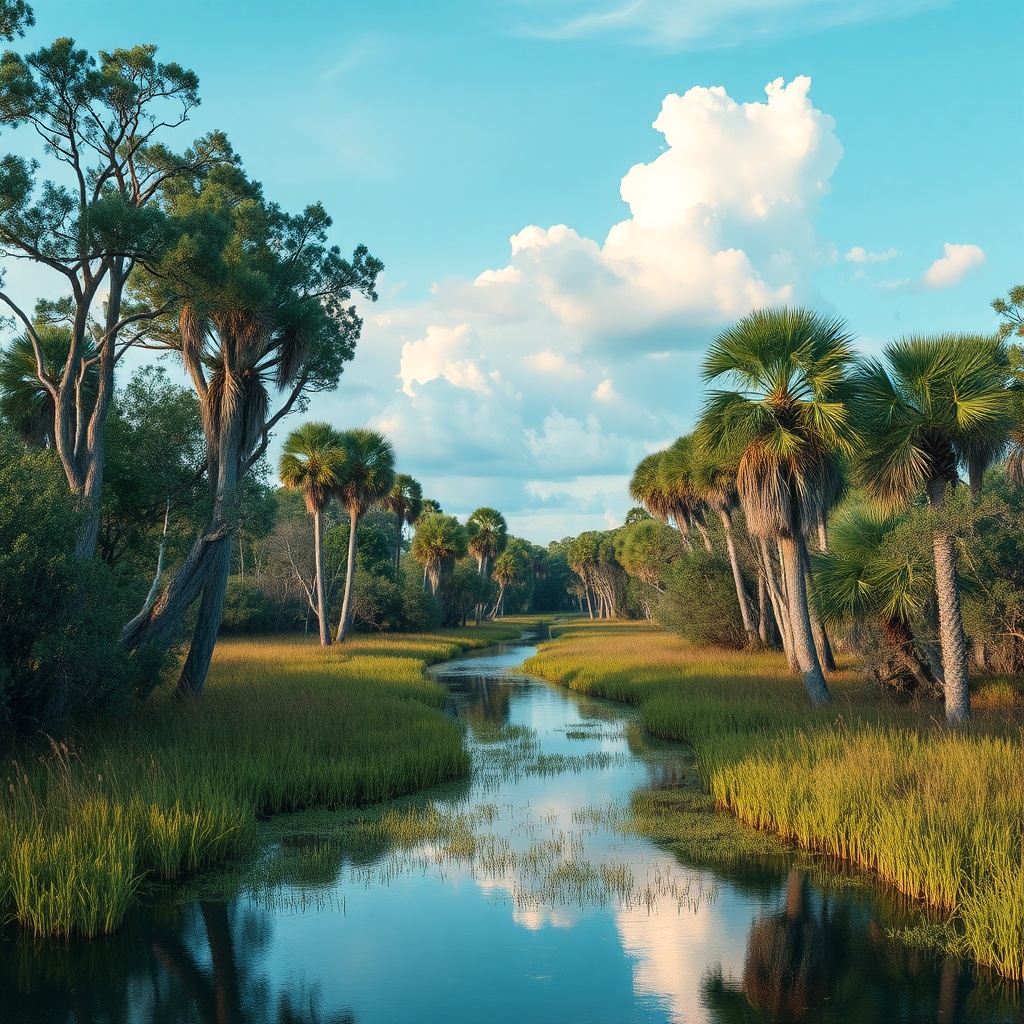
Salt marshes are the backbone of the region’s coastal landscape. These tidal wetlands buffer storm surge, filter water, and provide nursery habitat for shrimp, fish, and crabs. Barrier islands and maritime forests offer refuge to migratory birds and nesting sea turtles. For nature lovers, guided kayak trips through marsh creeks, birding on remote islands, and evening turtle walks provide intimate access to ecosystems that are both fragile and resilient.
Culture and heritage
The Lowcountry’s human story is deeply entwined with the Gullah Geechee culture, which preserves unique language, crafts, music, and foodways derived from West African traditions. Small towns and plantations now emphasize cultural tourism that supports local artisans and interprets history with nuance—look for museum tours, storytelling programs, and craft markets that center local voices.
Culinary draws
Lowcountry cuisine highlights what the water and fields provide: shrimp, blue crab, oysters, and rice-inspired dishes with savory, subtle flavors. Farm-to-table and sea-to-table restaurants prioritize local seafood and seasonal produce, while oyster roasts and shrimp boils remain popular community gatherings. For an authentic experience, seek out small family-run eateries and seafood markets where sourcing is transparent and dishes reflect regional traditions.
Sustainability and resilience
Coastal communities are adapting with a mix of science, planning, and community action. Living shorelines use natural materials to stabilize eroding banks and preserve habitat; oyster reef restoration projects rebuild filtration systems and protect shorelines; and marsh restoration efforts aim to maintain the tidal wetlands that store carbon and support biodiversity. Responsible ecotourism supports these projects—choose tour operators that follow best practices for wildlife viewing and shoreline protection.
Outdoor recreation
The Lowcountry is ideal for low-impact outdoor activities: paddleboarding through marsh channels, cycling scenic car-free roads on islands, fishing inshore or surf-casting from quiet beaches. For photographers, sunrise and sunset light over water and salt marshes produce dramatic color and reflection. Respect private property and nesting seasons; many islands balance public access with conservation priorities.
Practical tips for visiting
– Support local businesses: restaurants, gear shops, and guides who rely on seasonal visitors.
– Follow Leave No Trace principles: pack out trash and avoid driving on sensitive dunes.
– Book eco-certified tours for wildlife viewing and oyster or marsh restoration experiences.
– Learn a bit about local history and etiquette—engaging respectfully with cultural heritage enhances the visit for everyone.
Why it matters
The Lowcountry’s mix of natural riches and cultural depth creates a travel experience that rewards curiosity and care. Preserving those qualities depends on sustainable tourism, thoughtful development, and community-led conservation. Whether seeking a culinary pilgrimage, a nature escape, or a deeper cultural connection, the Lowcountry invites visitors to move slowly, observe closely, and contribute positively to the places they explore.