
 Emma Jantzen
 Atlanta Film Industry Guide: How the “Hollywood of the South” Drives Jobs, Boosts the Local Economy, and How to Get Involved
Atlanta’s reputation as a leading center for film and television production continues to shape the city’s economy, neighborhoods, and cultural identity. Nicknamed the “Hollywood of the South,” Atlanta combines robust studio infrastructure, a deep talent pool, and easy global access to support projects of every scale — from independent features to major streaming series.
Why Atlanta attracts production
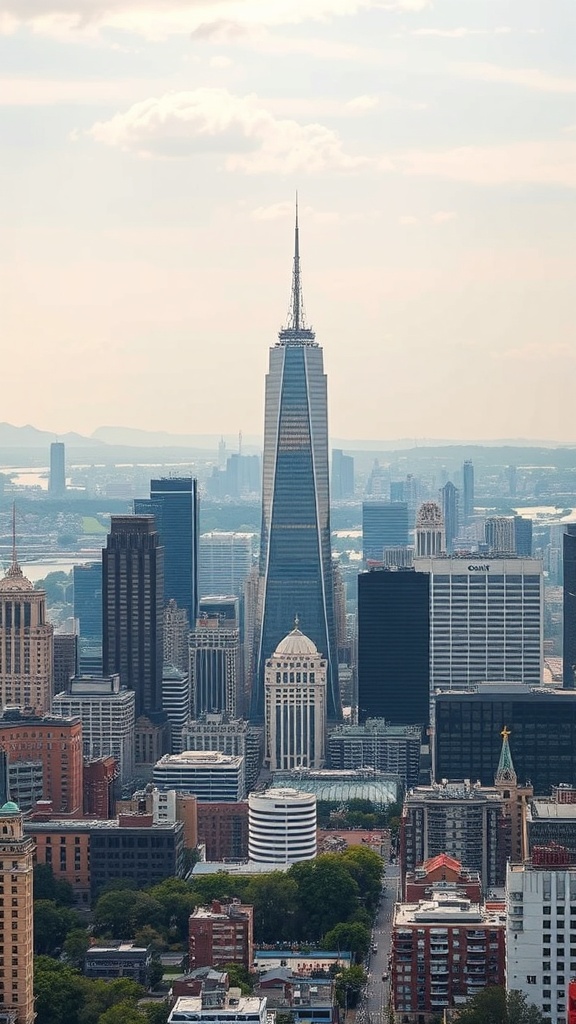
A cluster of large studio complexes and specialty facilities gives producers plenty of options for soundstage work, backlot shooting, and post-production. Notable studios have anchored long-term production activity while countless smaller production houses, equipment rental companies, and post houses provide the support services productions need. The city’s mild climate and diverse urban and natural locations — from modern high-rises and historic neighborhoods to parks and nearby forests — let crews shoot a wide range of settings without long travel.
Economic ripple effects
Film production generates substantial local spending on hospitality, construction, transportation, and local hires. Production crews rely on freelancers and local vendors, creating opportunities for carpenters, electricians, hair and makeup artists, drivers, caterers, and set designers. That boost can be felt in adjacent sectors: hospitality bookings, restaurant sales, and short-term housing demand increase whenever major projects come through.
Workforce and training
A growing pipeline of trained crew members and creative talent is essential for sustained production growth.
Local universities, trade schools, and community programs offer film production classes and certificate courses that prepare people for entry-level and specialized roles. Community-driven workforce initiatives and mentorship programs help connect diverse candidates to internships and on-set experience, making the industry more accessible.
Community and cultural impact
While production brings jobs and attention, it also affects neighborhoods through increased traffic, parking pressures, and shifting real estate demand. Producers and local officials often coordinate proactively to minimize disruption: permit processes, location agreements, and community notices are the norm.
At the same time, the city’s vibrant arts scene — theaters, festivals, galleries, and historic sites — benefits from the visibility and investment that film and television activity can bring.
How creators and job seekers can get involved
– Build foundational skills: take production, camera, editing, or sound courses offered by local schools and community centers.
– Network locally: attend film festivals, industry panels, and meetup groups to meet producers, ADs, and technicians.
– Join the community: explore local unions, guilds, and crew lists relevant to your craft.
– Offer reliable, hustle-ready services: consistent punctuality, safety awareness, and flexibility are highly valued on tight production schedules.
– Volunteer on sets to gain firsthand experience and references.
Practical tips for visitors and fans
Studio tours and themed attractions sometimes open to the public; booking ahead is wise when tours are offered. When a favorite production is shooting nearby, check local news and official city permit maps for street closures and parking impacts. For fans hoping to catch a glimpse of a set, remember that many locations require respect for private property and active production protocols.
Atlanta’s film ecosystem remains dynamic, supported by a broad network of studios, creative professionals, and local businesses.
Whether you’re a filmmaker scouting locations, a technician looking for opportunities, or a fan interested in the industry’s footprint, the city offers both the infrastructure and the creative energy to make ambitious projects possible.