
 Emma Jantzen
 Magnolia Trees: Ultimate Guide to Varieties, Planting, and Care
Magnolia trees are a showstopping choice for landscapes that need dramatic flowers, glossy foliage, and a touch of timeless elegance. Known for their large, often fragrant blooms and broad leaves, magnolias suit a range of garden styles—from classic Southern estates to modern urban yards—and reward proper care with years of reliable performance.
Why magnolias stand out
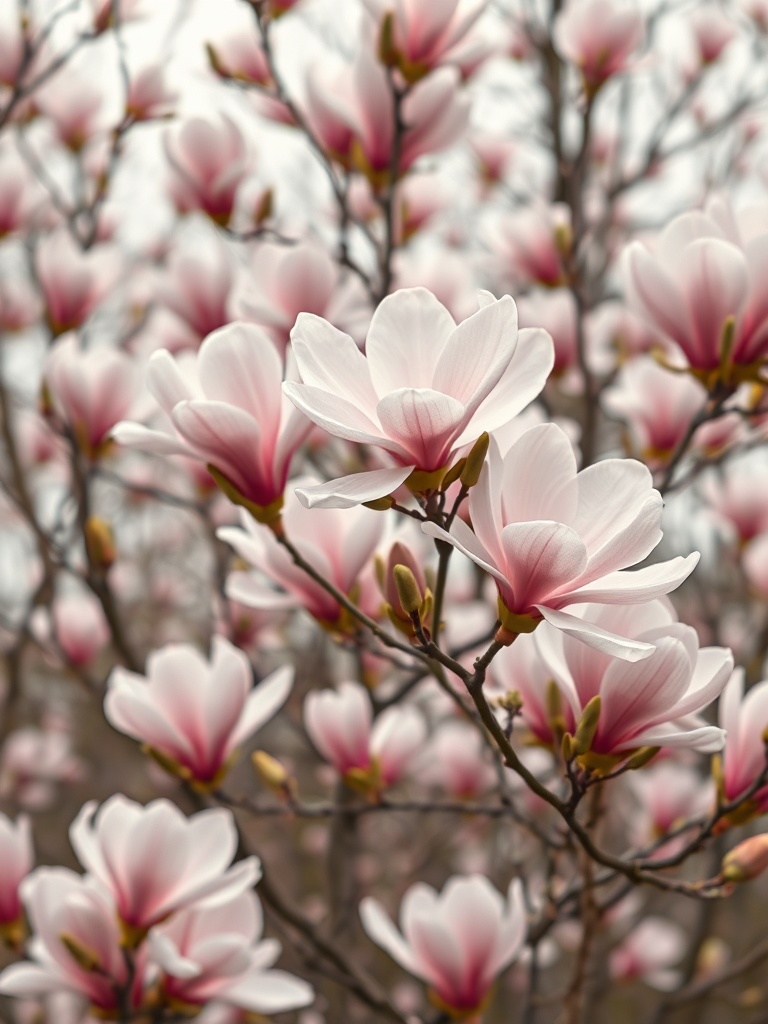
Magnolia flowers are notable for size, shape, and scent. Some species open early in spring with star-shaped blooms, while evergreen varieties produce enormous, creamy flowers that can perfume an entire yard. Many magnolias evolved to be pollinated by beetles, so their blooms often have sturdy petals and strong fragrances that attract early-season pollinators. Their architectural form—ranging from small multi-stem shrubs to large specimen trees—makes them versatile focal points.
Selecting the right variety
Choosing a variety that suits climate, space, and aesthetic goals is the first step:
– Compact and small gardens: Star magnolia and some dwarf saucer hybrids, which stay relatively small and flower profusely.
– Large landscapes and shade: Southern magnolia and cultivar hybrids offer evergreen foliage and bold blooms.
– Early spring color: Saucer and star magnolias provide an early show before many other trees leaf out.
– Fragrance-focused plantings: Choose varieties known for scented blossoms if fragrance is a priority.
Planting and site selection
Magnolias perform best in rich, well-drained soil with consistent moisture.
They generally prefer slightly acidic to neutral pH and benefit from soil amended with compost or leaf mold at planting.
Aim for a site with full sun to part shade; many magnolias bloom best with at least four to six hours of sunlight but appreciate afternoon shade in very hot climates. Protect young trees from strong winter winds and avoid planting too deep—keep the root flare visible at the soil surface.
Care basics
– Watering: Regular watering is vital during the first few years while roots establish. Deep, infrequent watering encourages deeper root systems.
– Mulching: Apply a 2–4 inch layer of organic mulch, keeping it away from the trunk to prevent rot. Mulch conserves moisture and moderates soil temperature.
– Feeding: A balanced, slow-release fertilizer applied in spring can support growth, but avoid heavy nitrogen which encourages foliage at the expense of blooms.
– Pruning: Minimal pruning is usually best. Remove dead or crossing branches after flowering on spring-blooming types; for evergreens, prune only to shape or remove damaged wood.
Pests and diseases
Common issues include scale insects, particularly magnolia scale, which can be managed with horticultural oil sprays or targeted insecticides if infestations are severe. Fungal diseases such as leaf spot and canker may appear in poorly drained or stressed trees; improving air circulation, avoiding overhead watering, and treating affected areas can help. Healthy cultural practices—proper siting, watering, and mulching—go a long way toward preventing problems.
Propagation and longevity
Magnolias can be propagated by semi-ripe cuttings, layering, or grafting, though propagation can be slow and sometimes challenging. Many magnolia species are long-lived, providing decades of beauty when given appropriate care.
Whether used as a specimen, a street tree, or a hedged boundary, magnolias bring distinctive form and captivating blooms to the landscape. With thoughtful selection and solid maintenance, a magnolia can become the centerpiece of a garden for generations to enjoy.