
 Emma Jantzen
 The Ultimate Bourbon Trail Guide: Planning, Tastings & Must-Visit Distilleries
The Bourbon Trail is a pilgrimage for spirits lovers, blending history, craft, and scenic drives through the heart of bourbon country. Whether you’re a seasoned aficionado or curious newcomer, a well-planned trail trip turns tastings into stories—distilleries into landmarks, and bottles into souvenirs that carry memories long after the last sip.
What the Bourbon Trail offers
At its core, the Bourbon Trail connects working distilleries where bourbon is made, aged, and tasted. Tours range from behind-the-scenes looks at mash tuns and rickhouses to curated tastings that teach you how aging, barrel char, and mash bills shape flavor.
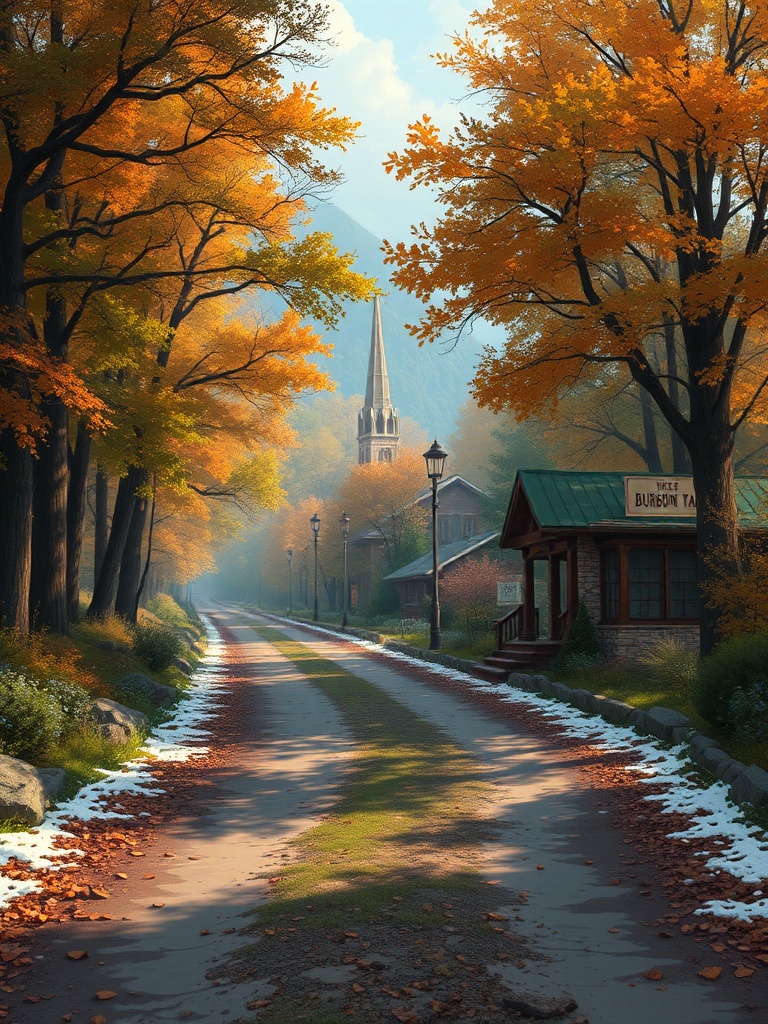
Many distilleries also feature museums, gift shops, and upscale on-site restaurants, making each stop a full experience beyond the pour.
Planning tips for a smooth trip
– Decide your pace: A three-stop day keeps energy high; a longer itinerary lets you dive deeper at premium distilleries.
– Reserve ahead: Popular tours and tasting flights often require advance booking. Limited-capacity experiences fill fast, especially on weekends and holidays.
– Choose transportation wisely: Driving is convenient, but consider guided shuttle services, private drivers, or ride-shares to enjoy tastings responsibly. Some operators offer themed tours with knowledgeable guides.
– Pack smart: Comfortable shoes for cobblestone and warehouse tours, layers for climate-controlled aging warehouses, and a sturdy bag for bottle purchases. Bring a reusable water bottle to stay hydrated.
Must-visit stops and what to expect
– Flagship distilleries: Look for distilleries known for historic production facilities and signature bottlings. These locations often offer comprehensive tours and specialty tastings.
– Craft distilleries: Smaller, craft producers showcase experimental mash bills, unique aging methods, and limited-release bottles unavailable elsewhere.
– Urban stops: Cities on the trail host tasting rooms, cocktail bars, and urban distilleries that balance traditional techniques with modern presentation.
– Hidden gems: Seek out less-crowded distilleries for intimate tours and friendly staff eager to share stories and pouring advice.
Tasting etiquette and tips
– Use your nose first: Aroma reveals the backbone of a bourbon—vanilla, caramel, oak, spice. Take small sniffs before tasting.
– Sip, don’t shoot: Small sips let you trace the palate from sweetness to finish. Allow flavors to unfold.
– Add water sparingly: A drop or two can open aromatic compounds, but avoid diluting too much.
– Take notes: Jot flavor notes and bottle names to remember preferences when shopping later.
Buying, shipping, and souvenirs
Distillery shops often carry limited releases and branded glassware. Be mindful of purchasing limits and shipping restrictions—some products may only be shipped within certain regions.
If a sought-after bottle is sold out, ask about secondary release dates or join mailing lists to receive alerts.
Food, pairing, and extras
Pair tastings with local cuisine—smoked meats, sharp cheeses, and dark chocolate complement many bourbons. Some distilleries pair flights with curated bites, elevating the tasting experience.
Responsible enjoyment
Pace yourself, hydrate, and choose a safe ride home.
Many distilleries and tour operators prioritize safety and provide options to ensure everyone returns from the trail with great memories and no regrets.
Ready to plan? Map your must-see distilleries, book a few prioritized tours, and leave room on the itinerary for unexpected discoveries—some of the best moments on the Bourbon Trail happen off the beaten path.