
 Emma Jantzen
 How to Make Authentic Memphis BBQ: Dry vs. Wet Ribs, Rubs, Sauces & Smoking Tips
Memphis BBQ remains one of America’s most celebrated regional barbecue traditions, prized for its pork-centric flavors, bold rubs, and passionate pitmasters.
Whether you’re exploring the city’s legendary joints or trying a backyard rendition, understanding what makes Memphis barbecue unique will improve your next plate of ribs or pulled pork.
What defines Memphis-style barbecue
Memphis barbecue centers on pork — spare ribs, St. Louis-style ribs, and pulled pork from the shoulder are staples. Two distinct approaches dominate: dry and wet ribs. Dry ribs are seasoned with a fragrant dry rub of salt, sugar, paprika, garlic powder, onion powder, and black pepper, then smoked until the exterior forms a flavorful bark.
Wet ribs get a similar rub but are basted or brushed with a thinner, tangy-sweet sauce during the final stage of smoking to build a glossy, sticky finish.
Flavor building blocks
– Dry rubs: Balance is key.
Use kosher salt, brown sugar, smoked paprika for color, a touch of chili or cayenne for heat, and aromatics like garlic and onion powders. Let the rub sit on the meat at room temperature for a short time to penetrate before smoking.
– Sauce: Memphis sauces tend to be tomato-based but thinner than Kansas City-style molasses-heavy sauces. A balanced Memphis sauce mixes tomato, vinegar, brown sugar, mustard, and Worcestershire sauce for tang and depth. For wet ribs, apply sauce in the last 15–30 minutes to avoid burning the sugars.
– Wood: Fruitwoods like apple and cherry add mild sweetness; hickory gives a stronger, classic smoke note. Mixing woods can create complexity — a lighter fruitwood base with a touch of hickory often works well.
Smoking essentials for backyard success
– Low and slow: Maintain a consistent temperature for even cooking. Indirect heat is essential for ribs and pork shoulder to render fat and develop tenderness.
– Rack and rotate: Place ribs bone-side down and rotate as needed for even exposure. If using a pellet smoker, monitor pellet feed and smoke flavor concentration.
– Doneness signals: Ribs are done when they bend and the meat starts to pull back from the bone. Pulled pork is ready when it reaches a tender, pull-apart texture; internal temperature targets and probe tests help confirm doneness.
Serving and pairing
Classic Memphis plates include ribs or pulled pork served with coleslaw, baked beans, pickles, and white bread or cornbread. Slaw can be a simple vinegar-based mix for brightness or creamy for richness. A cold, crisp beer or an ice tea balances the smoke and sweetness.
Culture and community
Barbecue in Memphis is about more than food; it’s a living tradition shaped by family recipes, neighborhood joints, and competitive cook-offs.
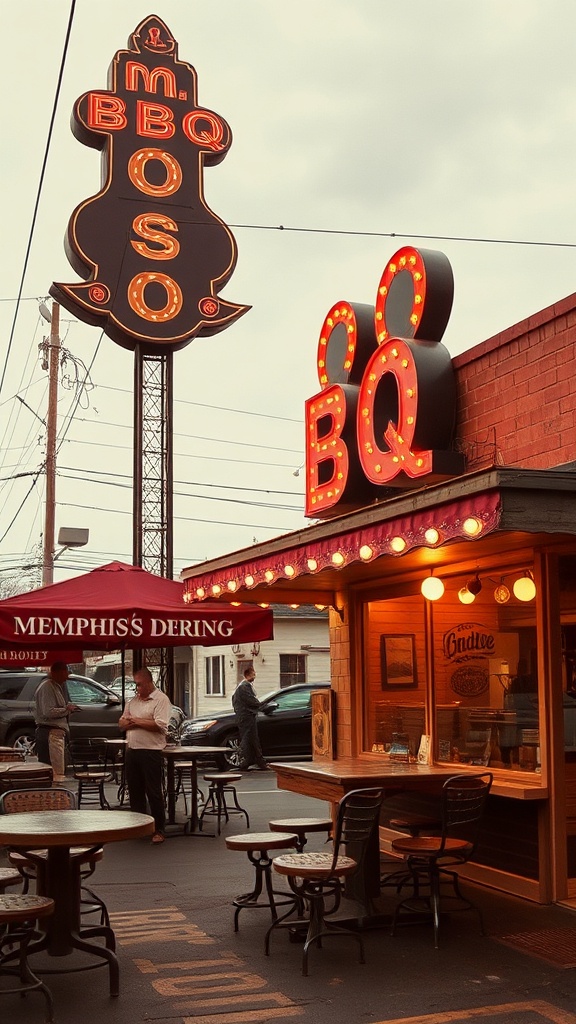
Visiting a local pitmaster or trying multiple barbecue spots helps reveal the regional nuances — from super-crisp, dry-rubbed ribs to saucier, richer preparations.
Try both styles
If you’re new to Memphis barbecue, taste both dry and wet ribs to appreciate the full spectrum. At home, experiment with different rubs, swap woods, and vary sauce application times to find the balance that suits your palate.
Memphis BBQ rewards patience and curiosity. Whether you chase a famous roadside shack or perfect a backyard shoulder, the essentials remain the same: quality pork, thoughtful seasoning, steady smoke, and time.