
 Emma Jantzen
 Magnolia Trees: The Ultimate Guide to Choosing, Caring for, and Enjoying Show-Stopping Blooms
Magnolia Trees: Choosing, Caring for, and Enjoying Their Show-Stopping Blooms
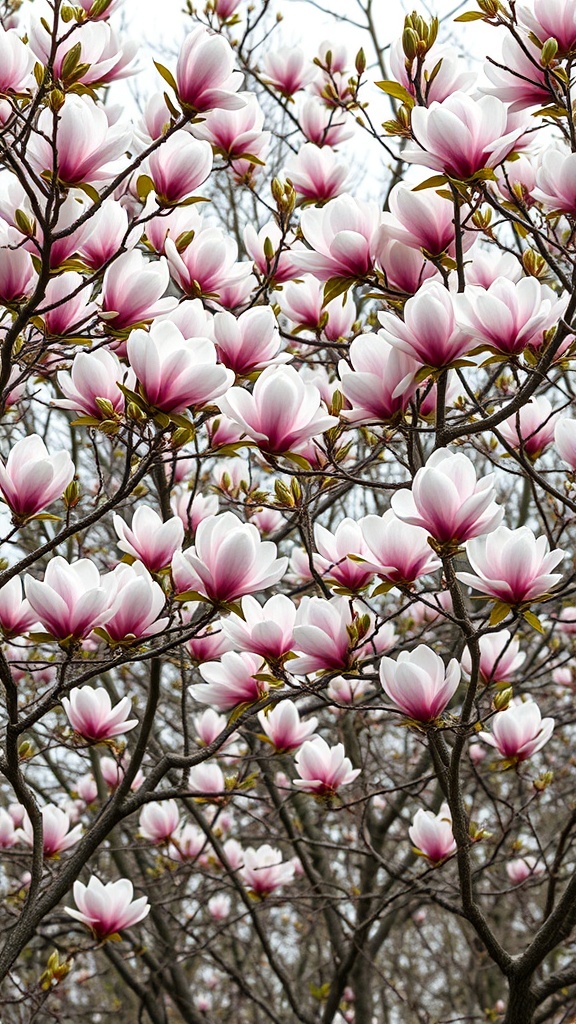
Magnolias are prized for their dramatic blooms, glossy leaves, and graceful branching habit. Whether you want a compact specimen for a small yard or a stately shade tree, there’s a magnolia to fit most landscapes. Understanding site selection, care basics, and common issues will help your magnolia thrive and deliver years of fragrant beauty.
Picking the right magnolia
– Deciduous vs. evergreen: Deciduous magnolias lose their leaves and often produce large, cupped flowers in spring. Evergreen types keep glossy foliage year-round and can bloom later in the season. Choose based on your climate, privacy needs, and aesthetic preference.
– Size and form: Compact cultivars work well near foundations or in small gardens; larger species make excellent street trees or lawn focal points.
Check mature height and spread before planting to avoid future crowding.
– Flower type and fragrance: Some magnolias offer large, saucer-like blooms, while others have elongated, tulip-shaped flowers. Fragrance can range from sweet and citrusy to richly perfumed—try several varieties at local nurseries to find a scent you love.
Planting and site selection
Magnolias prefer well-drained, slightly acidic soil and a location with full to partial sun. Shelter from harsh winds helps protect blooms and young branches.
When planting, dig a wide hole and set the root flare slightly above the surrounding soil to promote drainage. Backfill with native soil, avoiding heavy amendments that can create a soil interface that roots resist.
Watering and mulching
Newly planted magnolias need consistent moisture until established. Water deeply and infrequently to encourage a deep root system. Apply a 2–4 inch layer of organic mulch around the root zone, keeping it away from the trunk to prevent rot. Mulch conserves moisture, moderates soil temperature, and improves soil structure as it breaks down.
Fertilizing and pruning
Most magnolias do well with minimal fertilizer.
If growth is slow or leaves show nutrient deficiency, apply a balanced, slow-release fertilizer in early growing season and follow label directions.
Prune only to remove dead, damaged, or crossing branches.
Magnolias tend to form attractive natural shapes, so heavy pruning is rarely needed. When pruning, work just after flowering for deciduous types to preserve next season’s blooms.
Pests and diseases
Common pests include scale insects and aphids; natural predators, horticultural oils, or targeted insecticidal soaps often control small infestations.
Watch for leaf spot and powdery mildew—proper spacing for airflow and avoiding overhead watering reduce disease pressure. If root issues arise, ensure the planting site drains well and avoids compacted soils.
Propagation and reuse
Magnolias can be propagated from semi-hardwood cuttings, grafting, or seed. Seed-grown trees may take much longer to flower and can vary from the parent plant, so cuttings or grafted specimens are preferred for maintaining specific cultivar traits.
Landscape uses and maintenance tips
Use magnolias as specimen trees, privacy screens, or in mixed borders to add seasonal interest and fragrance. Underplant with shade-tolerant perennials or groundcovers that appreciate the same soil conditions.
Keep lawn mowers and string trimmers away from the trunk to prevent bark injury.
With thoughtful selection and basic care, magnolias reward gardeners with striking flowers, lush foliage, and a timeless presence that enhances any landscape.
Visit a specialty nursery to see different cultivars in person and choose one that fits your site and sensibilities.