
 Emma Jantzen
 The Ultimate Guide to Memphis BBQ: Iconic Ribs, Pulled Pork & How to Recreate It at Home
Memphis BBQ: What Makes It Iconic — And How to Bring It Home
Memphis barbecue occupies a special place in American food culture. Known for its emphasis on pork, especially ribs and pulled pork, Memphis-style barbecue balances smoke, spice, and sauce in ways that keep locals—and visitors—coming back for more. Whether you’re exploring the city’s famed joints or firing up a smoker at home, understanding the hallmarks of Memphis BBQ helps you appreciate what makes it unique.
What defines Memphis barbecue
Memphis BBQ centers on pork: spare ribs, baby backs, and pork shoulder (pulled pork) are stars. The style sits between regional extremes—drier, rub-forward approaches and sweeter, sauce-heavy traditions—offering both dry-rubbed ribs and wet-rubbed, sauced versions. Smoke is important but not overpowering; the goal is to complement, not mask, the meat.
Dry vs.
wet ribs
One of Memphis’s best-known debates is dry versus wet ribs. Dry ribs are coated with a seasoned rub before smoking and served without sauce (or with sauce on the side). The rub typically highlights paprika, black pepper, brown sugar, garlic and onion powders, and a touch of cayenne.
Wet ribs are basted with sauce during or after cooking, resulting in a glossy, sticky finish that many find irresistible. Both styles are authentic and showcase different sides of Memphis flavor.
Signature techniques and flavors
Low-and-slow smoking is central—long cooks over moderate heat allow collagen to break down and smoke to penetrate.
Fruit woods like apple or cherry and classic hardwoods such as hickory or pecan are commonly used to create a balanced smoke profile.
Memphis pitmasters often finish ribs with a brief rest to let juices redistribute, then slice between the bones for presentation.
Typical Memphis rub ingredients:
– Paprika
– Brown sugar
– Black pepper
– Garlic powder
– Onion powder
– Cayenne (optional)
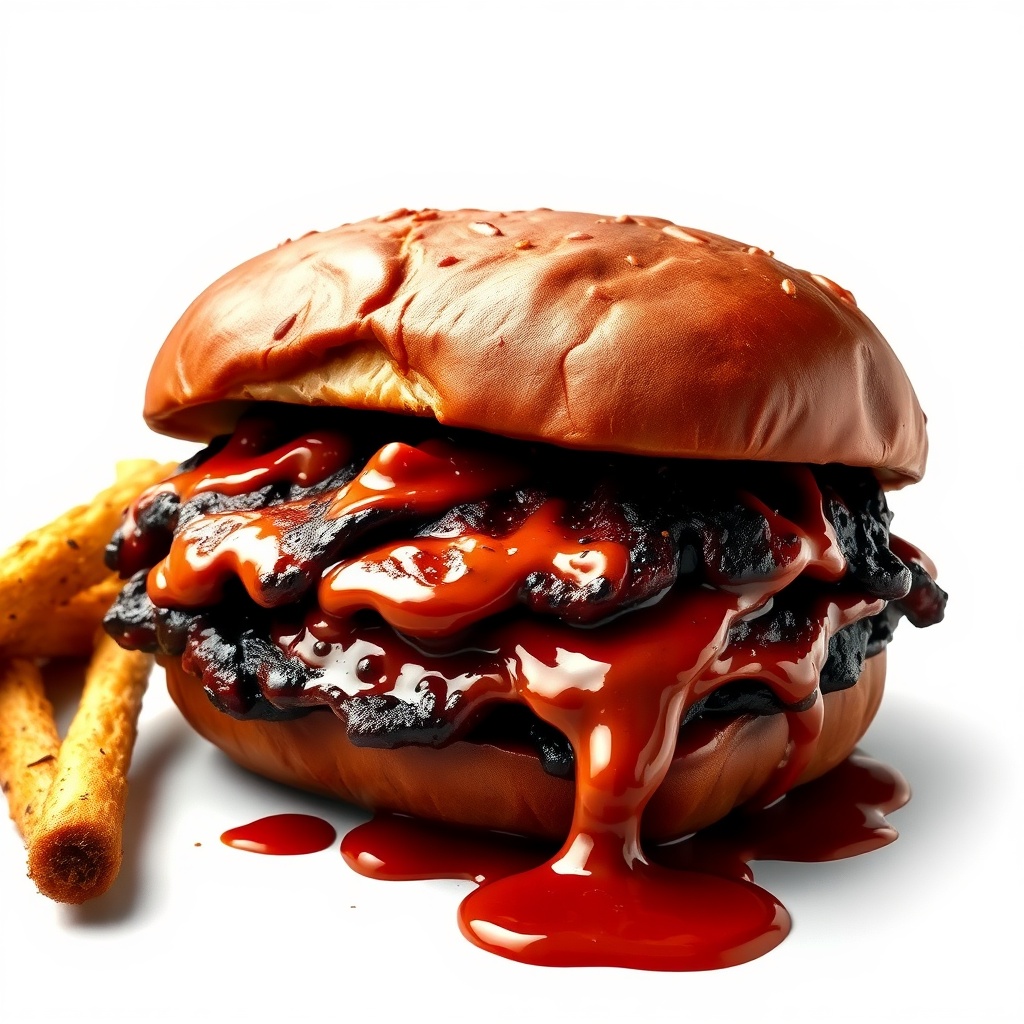
Memphis barbecue sauce leans toward a tomato-and-vinegar base with molasses or brown sugar for sweetness and a tangy kick from vinegar. Some houses keep it thin and tangy; others make it richer and more molasses-forward—try the sauce on the side to taste both styles.
Classic sides and pairings
The true Memphis BBQ plate includes simple, comforting sides: coleslaw (often used as a topping on pulled pork sandwiches), baked beans, mac and cheese, potato salad, and slices of white bread or bun to soak up the juices. For dessert, banana pudding or a local pie rounds out the meal.
Where to taste and what to order
Seek out places known for whole-hog or shoulder cooks if you want authentic pulled pork. Order ribs “dry” to judge a pitmaster’s rub technique or “wet” to experience their sauce craftsmanship. Barbecue festivals and local competitions are great ways to sample many styles in one setting and see pitmasters in action.
Quick tips for home pitmasters
– Smoke at a steady low temperature to keep meat tender—maintain consistent heat and avoid frequent lid opening.
– Use a balanced rub and let it sit on the meat for an hour or more before cooking to develop flavor.
– Add apple or cherry wood for a milder, fruitier smoke; use hickory for a bolder profile.
– Rest meat after cooking for juicier results; slice ribs between bones for cleaner presentation.
Memphis barbecue remains a living tradition—rooted in technique and community, adaptable to personal taste, and endlessly satisfying.
Whether you’re sampling iconic joints or mastering the smoker in your backyard, Memphis-style BBQ rewards patience, good ingredients, and a healthy respect for smoke.