
 Emma Jantzen
 Ultimate Bourbon Trail Guide: How to Plan a Memorable Kentucky Whiskey Journey
Bourbon Trail: How to Plan a Memorable Kentucky Whiskey Journey
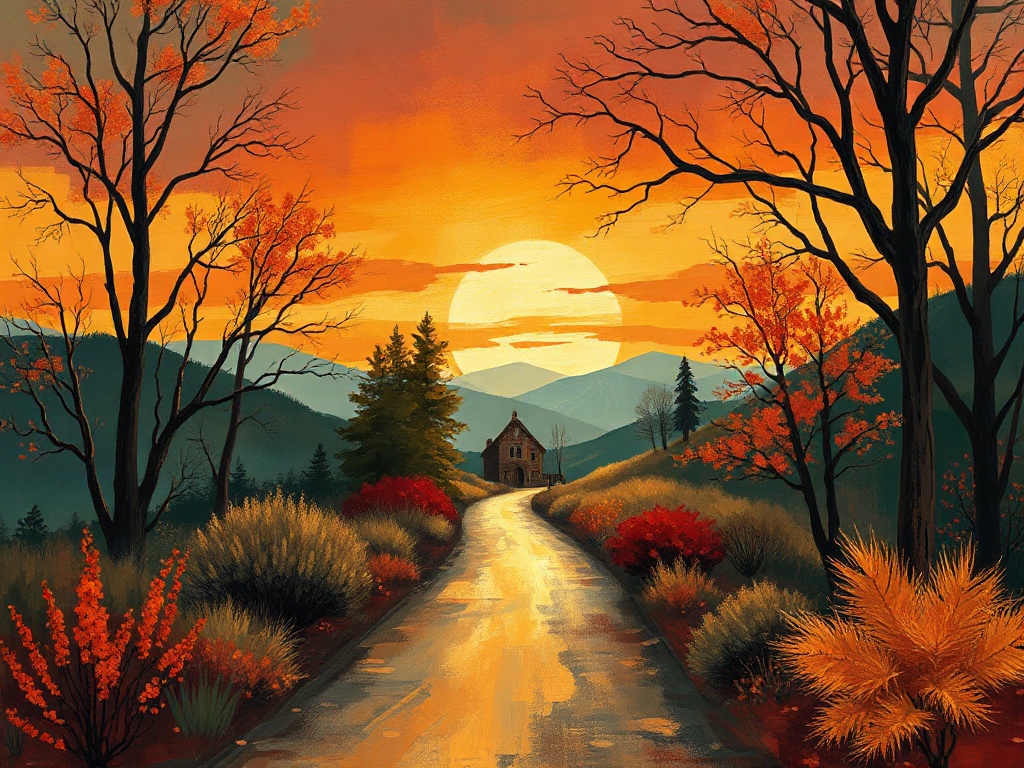
The Bourbon Trail remains one of the most compelling travel experiences for spirit lovers and curious travelers alike. Whether you’re chasing historic cooperages, tasting limited-release bottles available only at distilleries, or simply soaking up rolling bluegrass scenery, a well-planned trip turns tastings into a richer, safer, and more enjoyable adventure.
What the Bourbon Trail covers
At its core, the Bourbon Trail connects a mix of large historic distilleries and small craft producers across Kentucky, plus an urban loop of cocktail bars and boutique distilleries in cities. Stops vary from massive visitor centers with interactive exhibits and barrel warehouses to intimate, appointment-only operations where you can meet the distillers.
Many distilleries offer guided tours that explain the seven key ingredients of bourbon production—mash, fermentation, distillation, aging, warehousing, proofing, and bottling—while highlighting each brand’s unique approach.
Planning and booking
Popular distilleries fill tours quickly, so reserve tickets ahead, especially for weekend travel or special releases. Note that some distilleries restrict photography in production areas and limit group sizes. If you plan to buy distillery-only releases, bring a method of payment that works for larger transactions and check shipping rules in advance—some states have regulations that affect whether a distillery can ship bottles directly to you.
Getting around
Driving remains the most flexible way to explore, but distances between sites can be significant and rural roads may have limited ride-share service.
Consider hiring a private driver or joining a guided tour if you prefer not to drive. For urban segments, walking or rideshares make bar-hopping convenient.
Always prioritize safety: designate a sober driver, use local transportation services, or take advantage of tour operators that include alcohol-friendly itineraries.
Tasting etiquette and getting the most from tastings
Treat tastings like a sensory lesson. Start by observing color and clarity, then gently nose the spirit to identify aromas—vanilla, caramel, toasted oak, spice, fruit. Take a small sip and let it coat your palate before noting flavor transitions and finish. Use water sparingly to open up aromas, and cleanse your palate with neutral crackers or bread between flights. Respect capacity limits and listen to guides; many tastings are curated to show progression from lighter to heavier expressions.
What to pack and practical tips
– Valid photo ID proving legal drinking age
– Comfortable shoes and layered clothing for warehouse and warehouse loft temperatures
– Empty space in your luggage for bottles or plan for shipping arrangements
– A small notebook or phone notes app to record favorite pours
– A soft bag or protective sleeves for bottle transport
Off-the-beaten-path experiences
Beyond mainline distilleries, seek out craft producers, cooperage demonstrations, and bourbon-centric dining experiences.
Cocktail bars on the urban bourbon trail showcase creative riffs and rare bottles, offering a different way to enjoy the spirit. Distillery events—barrel picks, bottling day experiences, and tasting panels—can deliver exclusive access when available.
Final thought
A Bourbon Trail trip is part history lesson, part sensory exploration, and part cultural immersion. With advance planning, responsible transportation, and an open palate, the journey becomes more than a checklist of labels—it’s a chance to understand how climate, grain, yeast, wood, and craft converge to create one of America’s signature spirits.