
 Emma Jantzen
 Memphis BBQ at Home: How to Recreate Iconic Pulled Pork, Ribs & Sauces
Memphis BBQ: What Makes It Iconic and How to Enjoy It at Home
Memphis barbecue is synonymous with pork, slow smoke, and a proud local tradition that balances spice, smoke, and a touch of sweetness. Whether you prefer dry-rubbed ribs or saucy pulled pork, Memphis offers a style that’s approachable for newcomers and endlessly nuanced for barbecue enthusiasts.
What defines Memphis-style BBQ
– Pork-first approach: Pulled pork sandwiches and pork ribs are the centerpiece. Whole-hog cooking is also a celebrated technique among traditional pitmasters.
– Dry vs. wet ribs: Dry ribs are rubbed with a spice blend and served without sauce, letting smoke and seasoning shine. Wet ribs are finished with sauce during or after cooking for a stickier, more lacquered bite.
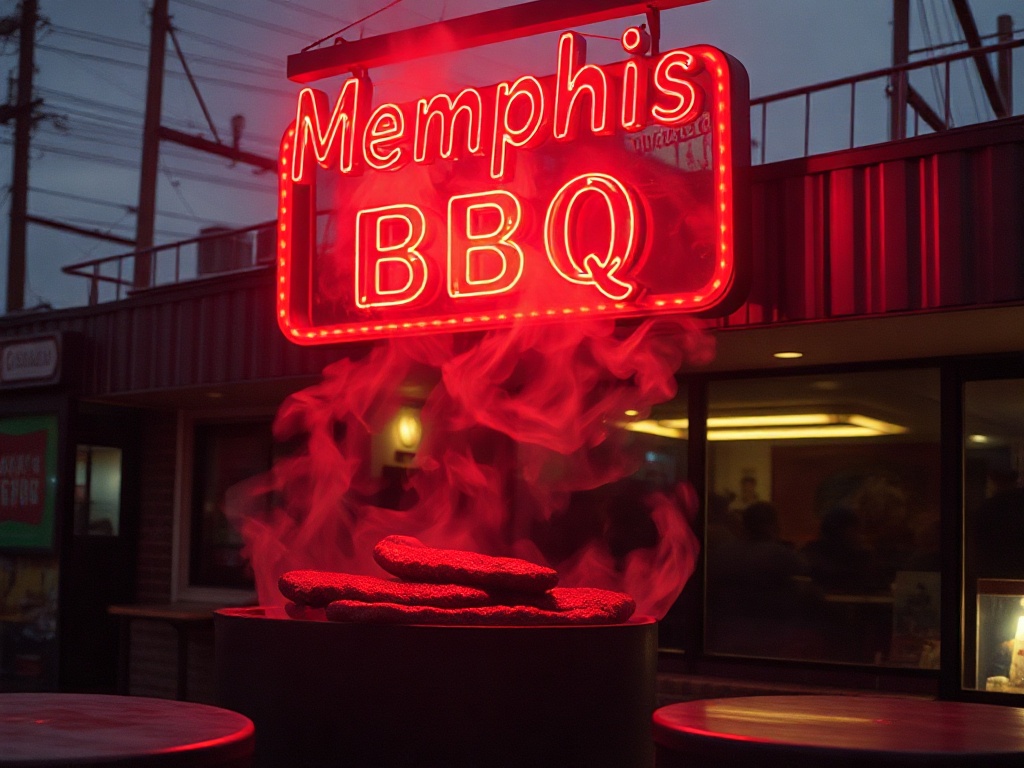
– Lighter, tangy sauces: Memphis sauces tend to be thinner and tangier than some regional varieties; they complement rather than overwhelm the meat, often featuring tomato, vinegar, and a hint of sweetness.
The wood and the smoke
Choice of wood shapes the flavor. Hickory and red oak remain classic picks for robust smoke, while fruitwoods like apple and cherry bring a milder, fruity note. The key is consistent, clean smoke—an even burn and proper airflow create the signature crust and smoky aroma without bitterness.
Essential rub and sauce components
A base rub typically includes paprika, salt, pepper, brown sugar, and garlic or onion powder, with optional cayenne for heat. The balance between savory and sweet can be adjusted to taste. For sauce, start with a tomato base, add vinegar for brightness, a sweetener like molasses or brown sugar, and finish with spices.
Many pitmasters keep a mop or spritz nearby—apple juice or a light vinegar-sugar mix helps retain moisture during long smokes.
Technique tips for home cooks
– Low and slow: Maintain a steady smoker temperature in the low-to-mid smoke range to break down connective tissue without drying the meat.
– Use a water pan: It stabilizes the cooking environment and helps keep meats moist.
– Monitor internal temperature: For pulled pork, plan to reach deep tenderness rather than a specific temp; probe tenderness is the best guide.
Ribs are ready when the meat pulls back from the bone and a probe slides in with little resistance.
– The rest matters: Let smoked meats rest before slicing or pulling to redistribute juices.
– Consider the wrap: Wrapping ribs or pork in foil midway through can speed through the stall and deliver a tender result—skip wrapping to maintain a firmer bark and stronger smoke flavor.
What to order at a Memphis BBQ joint
Start with a classic: a pulled pork sandwich topped with coleslaw or a stack of dry-rubbed spare ribs. Try barbecue nachos or smoked wings for a modern twist. Many joints offer local sides—baked beans, collard greens, and banana pudding are delicious complements.
Trends and community
Memphis BBQ continues to evolve with creative sauces, competition-style techniques, and smokehouses experimenting with different wood combos and global flavors. Plant-based smoked options and craft beverage pairings have also entered menus, reflecting a broader culinary landscape while honoring tradition.
If you want an authentic taste at home, focus on quality pork, a balanced rub, clean smoke, and patience.
With a few simple tools and attention to technique, the flavors of Memphis barbecue are within reach—whether enjoyed at a neighborhood joint or pulled fresh from your own smoker.