
 Emma Jantzen
 Carolina Lowcountry Travel Guide: Wildlife, Gullah Culture & Coastal Cuisine
The Carolina Lowcountry is a coastal region where tidal marshes, live oaks draped in Spanish moss, and wide sandy beaches meet a deep cultural heritage. Stretching along the coast of the Carolinas, this landscape is prized for its natural beauty, culinary scene, and living history—making it a top destination for travelers who want a blend of outdoor adventure, coastal cuisine, and cultural discovery.
Landscape and wildlife
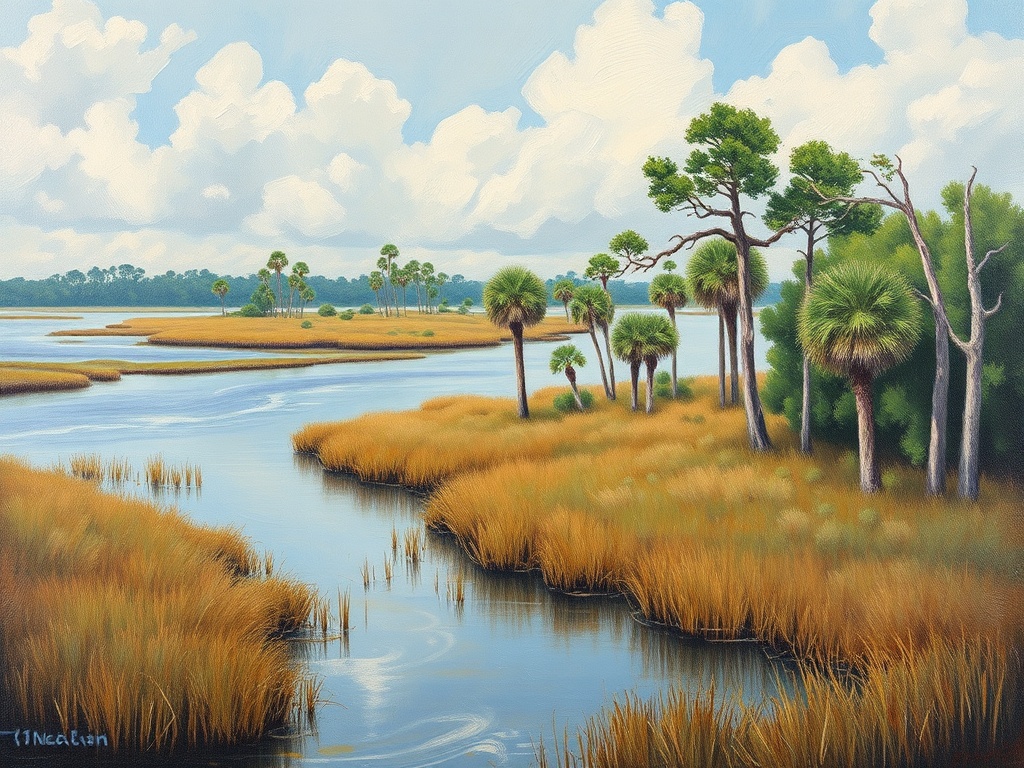
The Lowcountry’s signature salt marshes act as nursery grounds for fish and crustaceans and support a rich bird population.
Wading birds like herons and egrets are common sights, while barrier islands protect inland habitats and offer uninterrupted shoreline. Kayaking through winding creek channels or taking a guided boat tour across marsh flats provides close-up views of fiddler crabs, oysters, and the distinctive salt-tolerant plants that shape the scenery.
Cultural heritage
The region’s culture is deeply influenced by the Gullah Geechee people, descendants of West African communities who preserved language, crafts, and foodways shaped by coastal life.
Cultural centers, community tours, and artisan markets offer opportunities to learn about traditional sweetgrass basket weaving, storytelling, music, and culinary traditions—approach these experiences with respect and curiosity to support local stewards of this heritage.
Food and flavors
Lowcountry cuisine highlights the best of the sea and the marsh: shrimp and grits, she-crab soup, fresh oysters, and Lowcountry boil are staples.
Farm-to-table restaurants and seafood shacks alike emphasize seasonal, locally sourced ingredients. Farmers markets and waterfront fish houses are great places to sample the day’s catch and connect with fishermen and producers who sustain the region.
Outdoor activities and beaches
From surfable breaks to secluded shell-strewn strands, the barrier islands cater to every beachgoer. Fishing, crabbing, birdwatching, and paddle sports are popular; guided eco-tours help visitors understand fragile ecosystems while minimizing impact.
Many islands maintain strict conservation rules, and some are reachable only by ferry—this limited access helps preserve natural habitats and offers quiet, contemplative experiences.
Conservation and resilience
The Lowcountry faces environmental challenges common to coastal areas: rising seas, increased storm intensity, and habitat loss. Local organizations and community groups focus on marsh restoration, oyster reef rebuilding, and living shoreline projects that stabilize coasts while improving water quality and supporting fisheries. Visitors can support these efforts by choosing eco-conscious operators, participating in volunteer beach cleanups, and learning about sustainable seafood choices.
Practical tips for visiting
– Plan low-impact activities: choose guided eco-tours, follow marked trails, and avoid disturbing wildlife.
– Taste local produce: visit farmers markets and shore-side fish houses for the freshest flavors.
– Learn before you go: read about Gullah Geechee history and respect community traditions and private properties.
– Pack for changing conditions: coastal weather shifts quickly—bring sun protection, insect repellent, and waterproof layers.
Why it matters
The Carolina Lowcountry offers more than scenic views; it’s a living region where ecosystems and cultures are intertwined. Whether you’re exploring tidal creeks by kayak, savoring a plate of shrimp and grits, or listening to stories passed down through generations, the Lowcountry rewards visitors who come with attention and care. Supporting local businesses and conservation initiatives helps ensure these landscapes and traditions remain vibrant for those who follow.