
 Emma Jantzen
 The Complete Guide to Magnolia Trees: Care, Top Varieties & Landscaping Tips
Magnolia Trees: Care, Varieties, and Landscaping Tips
Magnolia trees bring dramatic blooms, glossy foliage, and a timeless presence to gardens and streetscapes.
With species ranging from evergreen giants to compact, flowering shrubs, magnolias fit many landscape needs. Understanding their preferences and common challenges makes it easy to enjoy their spectacular flowers and long-lived form.
Choosing the Right Magnolia
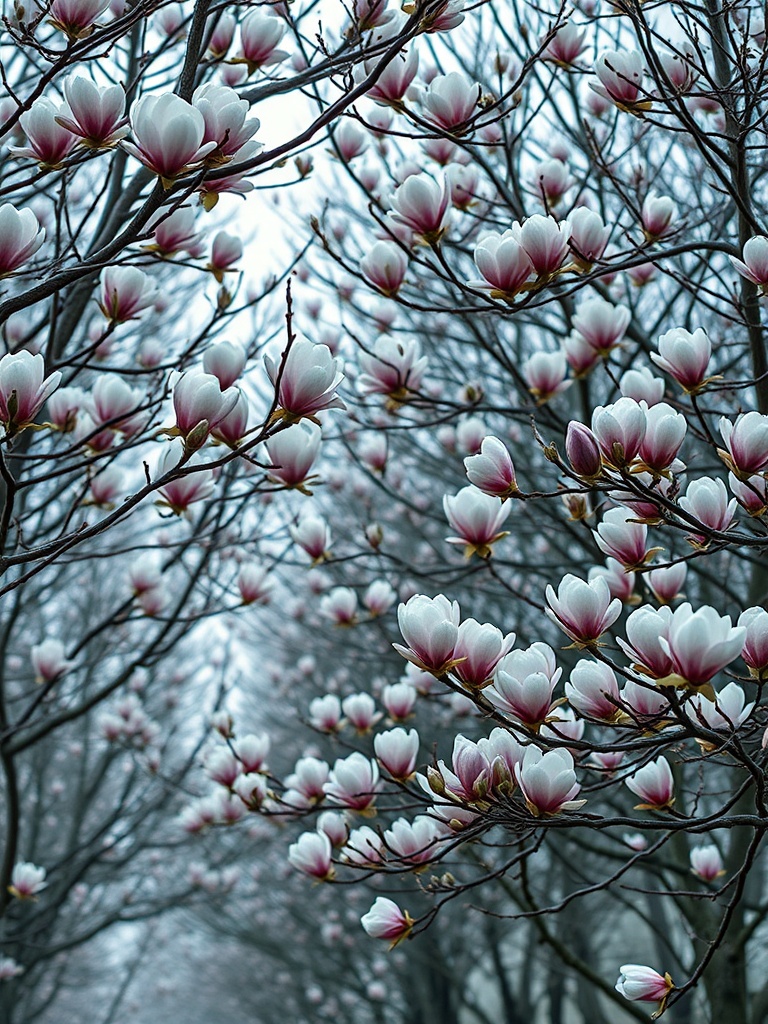
Magnolia options include large evergreen types with bold, fragrant flowers and deciduous varieties that create an early-season floral show. Consider mature size, bloom timing, and whether fragrance matters. Evergreen magnolias keep year-round interest and shade, while saucer and star magnolias produce large, showy blossoms on branches before leaves appear—perfect for a focal planting near a patio or entryway.
Planting and Soil Needs
Magnolias prefer rich, moist, well-drained soil with a slightly acidic to neutral pH. Site them where roots have room to spread—many magnolias develop shallow, wide root systems. Choose a location with full sun to partial shade; morning sun with afternoon protection helps maintain flower health in hotter climates. When planting, dig a hole slightly shallower but wider than the root ball to encourage lateral root growth.
Backfill with native soil amended with compost, water deeply, and apply a 2–3 inch layer of mulch to conserve moisture and regulate soil temperature.
Watering and Fertilizing
Young magnolias need consistent moisture while they establish. Deep, infrequent watering encourages robust roots; avoid constant soggy soil, which can cause root problems.
Once established, many magnolias tolerate short dry spells but benefit from supplemental watering during prolonged drought or extreme heat.
Feed sparingly with a slow-release, balanced fertilizer in spring if growth is weak or soil tests show nutrient deficiencies.
Pruning and Bloom Care
Most magnolias require minimal pruning. Remove dead, damaged, or crossing branches to improve structure and air circulation. For varieties that bloom on old wood, prune immediately after flowering to avoid cutting off next season’s buds. Structural pruning is best done when trees are young to guide future form.
Avoid heavy pruning unless necessary; magnolias seldom respond well to severe cutting back.
Pests and Diseases
Common pests include scale insects and aphids, which can leave sticky honeydew and lead to sooty mold. Natural predators, horticultural oils, or targeted insecticidal treatments typically control infestations. Watch for fungal leaf spot or powdery mildew in humid conditions; good air circulation and removing infected leaves help reduce spread. Ensure proper drainage to prevent root rot and decline.
Propagation and Variety Selection
Magnolias can be grown from seed, but seedlings may differ from parent plants. Cuttings and grafting preserve desired traits and are the usual methods for cultivated varieties. For smaller gardens, select compact cultivars or dwarf varieties suited to container growing. Container magnolias need regular watering and periodic root pruning to prevent becoming root-bound.
Landscape Uses and Styling
Use magnolias as specimen trees, street trees where space allows, or layered with understory shrubs for interest throughout the seasons. Their large blooms provide dramatic spring focal points; evergreen types offer year-round privacy and windbreaks. Pair magnolias with acid-loving companions such as rhododendrons and azaleas for attractive contrasts in form and texture.
With the right site selection and care, magnolia trees reward gardeners with reliable beauty, fragrance, and structural presence.
Whether planting a single specimen to anchor a garden bed or choosing a compact variety for a small yard, magnolias remain a versatile and cherished choice for landscapes seeking classic charm.