
 Emma Jantzen
 Magnolia Trees: The Complete Guide to Types, Planting, Care, and Landscape Design
Magnolia trees are prized for their bold, often fragrant flowers and glossy foliage, making them a standout choice for a variety of landscapes.
Their range spans from compact, multi-stemmed shrubs to towering specimen trees, and they work well as focal points, foundation plantings, or in mixed borders.
Types and character
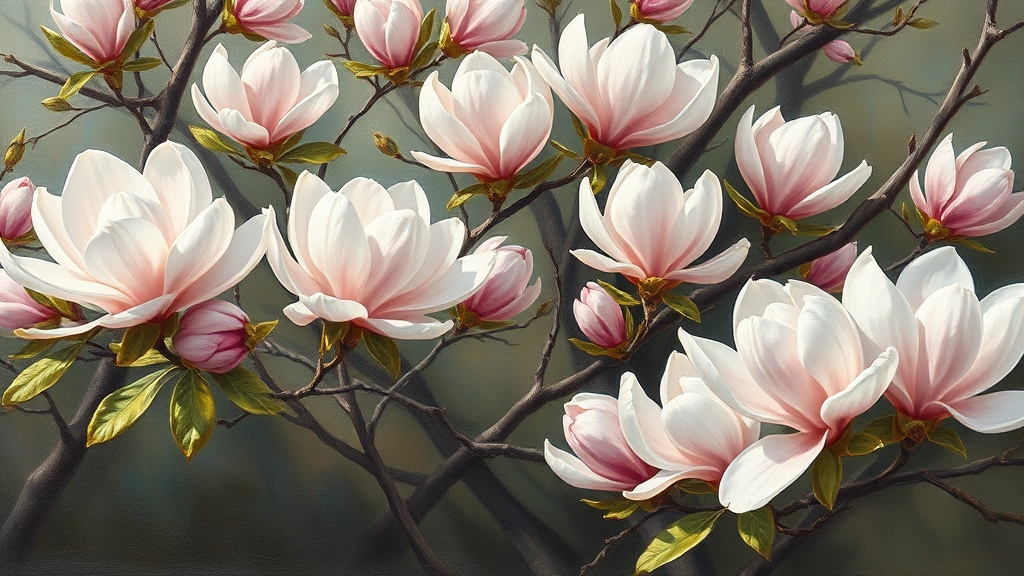
– Deciduous flowering magnolias (e.g., saucer, star, and tulip types) produce dramatic spring blooms before or as leaves emerge.
Their large, showy blossoms come in white, pink, purple, and bi-colors.
– Evergreen magnolias (commonly called southern magnolias) carry large, leathery leaves and produce creamy, fragrant flowers later in the season. These are excellent for year-round structure and screening.
– Less common species like cucumbertree and umbrella magnolia provide attractive foliage, unusual fruiting structures, and wildlife value.
Planting and site selection
Choose a location with full sun to part shade and protection from late-winter or early-spring winds that can damage buds. Magnolias prefer rich, well-draining soil with good organic matter; they tolerate slightly acidic to neutral pH.
Plant so the root flare sits at or just above soil level—planting too deep can cause stress and decline. Add generous compost or well-rotted organic material to backfill planting holes, and mulch 2–4 inches over the root zone while keeping mulch pulled back from direct trunk contact.
Water and feeding
Establishing magnolias need consistent moisture, especially during dry spells.
Deep, infrequent watering encourages strong root development. Once established, many species tolerate short dry periods but will perform best with regular moisture. Apply a slow-release, balanced fertilizer in early growing season if growth appears sluggish; avoid late-season fertilization that can stimulate tender growth vulnerable to cold.
Pruning and maintenance
Magnolias generally require minimal pruning. Remove dead, crossing, or diseased wood as needed, and perform major shaping immediately after flowering for spring-blooming types so next season’s buds are not removed.
Use clean, sharp tools and make cuts just outside the branch collar.
Avoid heavy pruning into old wood—many magnolias don’t resprout vigorously from large cuts.
Propagation and transplanting
Propagation is commonly by grafting or softwood cuttings for variety consistency. Seeds can be started but often need stratification and may not come true to form. Transplanting young magnolias is easiest in spring; older trees can be difficult to move without specialized techniques.
Pests, diseases, and prevention
Common issues include scale insects, aphids, and fungal leaf spots. Magnolia scale can weaken trees by sucking sap and producing honeydew that leads to sooty mold. Treat light infestations with horticultural oil or insecticidal soaps; heavier infestations may require systemic controls applied according to label directions. Good cultural care—proper watering, adequate spacing, and removing fallen debris—keeps disease pressure low. Watch for signs of root rot in poorly drained sites and consider amending soil or improving drainage to prevent problems.
Landscape uses and design tips
Use smaller magnolias near patios or entrances where their blossoms and fragrance can be enjoyed up close.
Larger evergreens make excellent screens or specimen trees. Underplant with shade-tolerant groundcovers and spring bulbs for layered seasonal interest. Their classic form and dramatic flowers make magnolias a lasting, high-impact choice for many garden styles.
With proper siting and care, magnolia trees reward gardeners with striking blooms, attractive foliage, and a timeless presence that enhances nearly any landscape.