
 Emma Jantzen
 Carolina Lowcountry Travel Guide: Salt Marshes, Shrimp Boats & Gullah Culture
Discovering the Carolina Lowcountry: salt marshes, shrimp boats, and Gullah culture
The Carolina Lowcountry stretches along the coast with a unique blend of tidal marshes, barrier islands, historic towns, and a living cultural heritage that draws visitors and locals alike. Whether you’re planning a weekend getaway or curious about the region’s ecology and cuisine, the Lowcountry rewards slow travel: soft light, seafood-forward plates, and an easy rhythm shaped by the tides.
Why the Lowcountry feels different
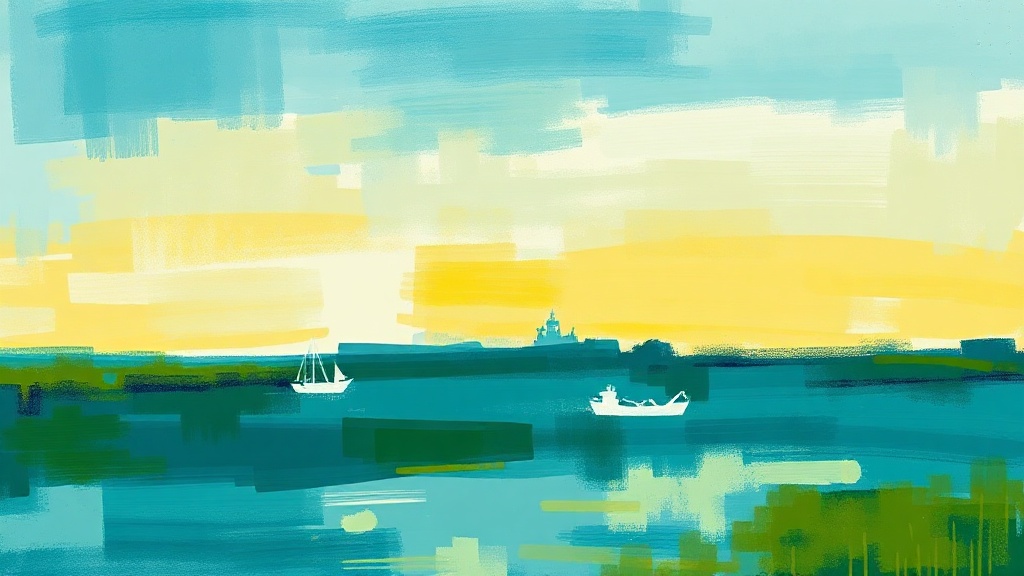
Tidal marshes and estuaries define the landscape. Creeks and rivers weave through salt grass and oak canopies draped with Spanish moss, creating habitat for shorebirds, crabs, and the iconic white egret.
That interplay of land and sea shapes lifestyle, economy, and food—fishing, boatbuilding, and shellfishing remain central to community life.
Food and culture worth seeking out
Lowcountry cuisine leans on fresh, local seafood and simple techniques that highlight natural flavors. Shrimp and grits, oyster roasts, soft-shell crab, and she-crab soup are staples.
Look for restaurants that source from local fishermen and regional oyster farms—many chefs emphasize sustainable harvesting and traceability.
The Gullah Geechee culture is a cornerstone of the Lowcountry’s identity. Rooted in West African heritage, Gullah traditions persist in language, crafts, storytelling, and sweetgrass basket weaving.
Visiting coastal communities with respect—buying art directly from local makers, joining cultural tours led by community members, and listening to oral histories—supports preservation and authentic experience.
Wildlife and outdoor experiences
Birdwatchers, anglers, and paddlers will find endless opportunities. Kayaking or paddleboarding through tidal creeks offers close-up views of fiddler crabs, oyster beds, and wading birds. Barrier islands provide quiet beaches and nesting habitat for shorebirds; many islands are accessible by ferry or private boat for day trips. Guided eco-tours can deepen understanding of marsh ecology and the importance of estuarine systems as nurseries for fish and invertebrates.
Conservation, climate, and community response
Coastal resilience is a persistent theme. Rising tides and stronger storms challenge communities and habitats, prompting shoreline restoration, living shorelines, and oyster reef projects aimed at stabilizing sediment and improving water quality.
Many nonprofits and local groups run volunteer opportunities—planting marsh grass, supporting oyster restoration, or participating in creek cleanups—so visitors can contribute in meaningful ways.
Practical tips for visiting
– Timing: Early morning and late afternoon bring cooler temperatures and active wildlife. Check tide charts before paddling or clamming trips.
– Packing: Bring sun protection, insect repellent, and footwear suitable for sand and muddy tidal flats. A lightweight rain layer helps during sudden coastal showers.
– Etiquette: Respect private properties and posted signage on islands and marshlands. If visiting cultural sites, follow local guidelines and support community-led tours.
– Dining: Ask servers about sourcing—many establishments will note local boats or farms on menus. Consider attending a community seafood market or farmers market for fresh catches and regional produce.
The Lowcountry invites a slower pace and curious attention. Whether you come for the food, the natural beauty, or the deep cultural roots, approaching the region with respect for its people and ecosystems makes any visit richer—and helps ensure those salt-scented landscapes thrive for visitors and residents alike.