
 Emma Jantzen
 Magnolia Trees Care Guide: Best Varieties, Planting Tips, and How to Keep Their Fragrance in Your Garden
Magnolia Trees: Care, Varieties, and How to Keep Their Fragrance in Your Garden
Magnolias are cherished for their large, fragrant blooms, glossy foliage, and stately presence. Whether you’re planting a compact variety for a patio or a towering specimen as a focal point, understanding the basics of magnolia care will help these trees thrive and reward you with seasons of showy flowers.
Choosing the Right Magnolia
– Deciduous magnolias (such as saucer and star types) offer dramatic spring blossoms and are well-suited to temperate climates that provide a cool dormancy period.
– Evergreen magnolias (notably Southern magnolia types) provide year-round glossy leaves and are ideal for screens, hedges, or specimen planting in milder climates.
– Dwarf and semi-dwarf cultivars work well in containers or small gardens; larger species make excellent park or lawn specimens.
Planting Tips
– Site selection: pick a spot with well-draining soil and at least partial sun.
Morning sun with afternoon shade helps protect blooms from late frost and summer heat stress.
– Soil: magnolias prefer slightly acidic, loamy soils rich in organic matter. If your soil is heavy clay, amend it with compost and create a mounded planting spot to improve drainage.
– Planting technique: dig a hole wider than the root ball but no deeper; set the root crown at or just above soil level to prevent settling. Backfill gently and water thoroughly to eliminate air pockets.
Watering and Mulching
– Newly planted magnolias need consistent moisture during the first couple of seasons while roots establish.
Water deeply and less frequently rather than shallow daily watering.
– Apply a 2–4 inch layer of organic mulch around the root zone, keeping it a few inches away from the trunk to reduce rot and pest problems.
Mulch conserves moisture and moderates soil temperature.
Fertilizing and Pruning
– Fertilize sparingly. A balanced slow-release fertilizer applied in spring supports growth without encouraging excessive foliage at the expense of blooms.
– Prune only when necessary—remove dead or crossing branches and shape lightly after flowering for deciduous types. Avoid heavy pruning, which can stress magnolias and reduce bloom the following season.
Pests and Diseases
– Common pests include scale insects and borers. Scale can often be controlled with horticultural oil sprays, while borer infestations may require professional diagnosis and treatment.
– Root rot and leaf spot are more likely in poorly drained sites or overly wet conditions.
Ensuring good drainage and proper spacing improves air circulation and lowers disease risk.
– Inspect trees periodically and address issues promptly to keep a magnolia healthy and long-lived.
Propagation and Longevity
– Magnolias can be propagated from seed, semi-ripe cuttings, or grafting. Seeds often need cold stratification before germination, and grafting is used commercially to preserve cultivar traits.
– Many magnolia species are long-lived, forming elegant, mature canopies that become centerpieces in landscapes when given proper care.
Design Uses
– Use magnolias as standalone specimen trees to highlight entrances or vistas.
Evergreen varieties are effective as screening plants, while smaller deciduous types blend well into mixed borders.
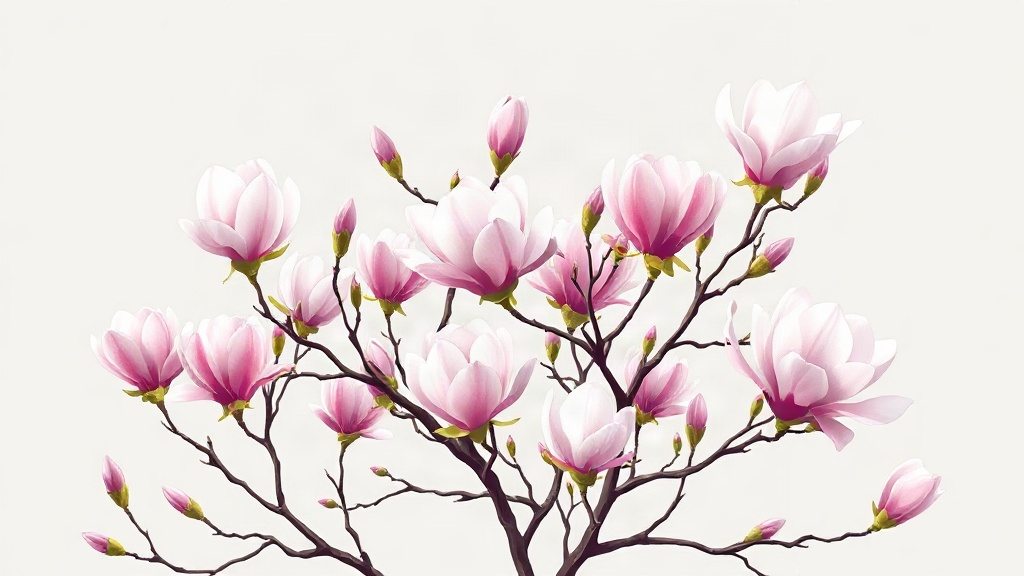
– Their large blooms make them ideal near patios and walkways where fragrance and visual impact can be enjoyed up close.
With the right variety and site, magnolias offer dramatic blooms, lasting fragrance, and a timeless presence in the garden. Regular observation, sensible watering, and minimal but timely maintenance will keep these beautiful trees flourishing for years to come.