
 Emma Jantzen
 Memphis BBQ: The Ultimate Guide to Dry vs. Wet, Signature Flavors & DIY Smoking Tips
Memphis BBQ: What Makes It Distinctive and How to Enjoy or Recreate It
Memphis BBQ is one of the most celebrated regional styles in American barbecue, prized for a focus on pork, an insistence on balance, and a proud rivalry between “dry” and “wet” preparations. Whether you’re planning a road trip to sample slabs on Beale Street or aiming to smoke a perfect shoulder in your backyard, understanding Memphis techniques and flavor profiles will help you taste what makes the city’s barbecue legendary.
What defines Memphis style
– Protein focus: Pork reigns supreme—especially ribs and shoulder (pulled pork). Ribs are often the centerpiece at local joints and competitions.
– Dry vs.
wet: Dry ribs are seasoned with a spice rub before smoking and served without sauce; wet ribs get basted with a mop or brush of sauce during the cook and served glazed.
Both approaches are honored.
– Sauce profile: Memphis-style sauce tends to be tomato-based with a balance of tang, sweetness, and subtle heat.
It’s lighter than some Carolina vinegar sauces and less smoky than Texas beef-focused styles.
– Low and slow: Extended smoking at low temperatures develops a deep bark, tender meat, and that coveted smoke ring near the surface without drying the interior.
Signature textures and flavors
A great Memphis rack showcases a thin, well-developed bark and moist meat that yields easily with a bite or gentle tug.
For pulled pork, the shoulder should be shreddable but still juicy, with fat rendered into silky texture. The rub often includes paprika, brown sugar, salt, black pepper, garlic powder, and a touch of cayenne—simple ingredients that layer with smoke to create depth.
At-home smoking tips
– Choose the right wood: Fruitwoods like apple or cherry and nutwoods like pecan are classic choices for pork, imparting mild, sweet smoke that complements the rub.
– Maintain low temp (225–250°F) and resist the urge to crank heat; patience is essential for tender results.
– Use a straightforward rub: paprika, brown sugar, kosher salt, black pepper, garlic powder, and onion powder form a reliable base. Apply generously and let meat rest in the fridge for a few hours to firm the rub.
– Spritz or mop: Light spritzing with apple juice or a vinegar-water mix helps maintain surface moisture and encourages bark formation.
– Rest before pulling: Tent meat with foil and let it rest to redistribute juices; this step makes pulled pork juicier and easier to shred.
– Sauce strategy: Serve sauce on the side so diners can choose dry or wet. When glazing during the last 20–30 minutes, apply thin coats and allow them to set.
How to order and enjoy Memphis BBQ
At local establishments, try a plate with a rib or two, a pulled pork sandwich, and quintessential sides like coleslaw, baked beans, and banana pudding.
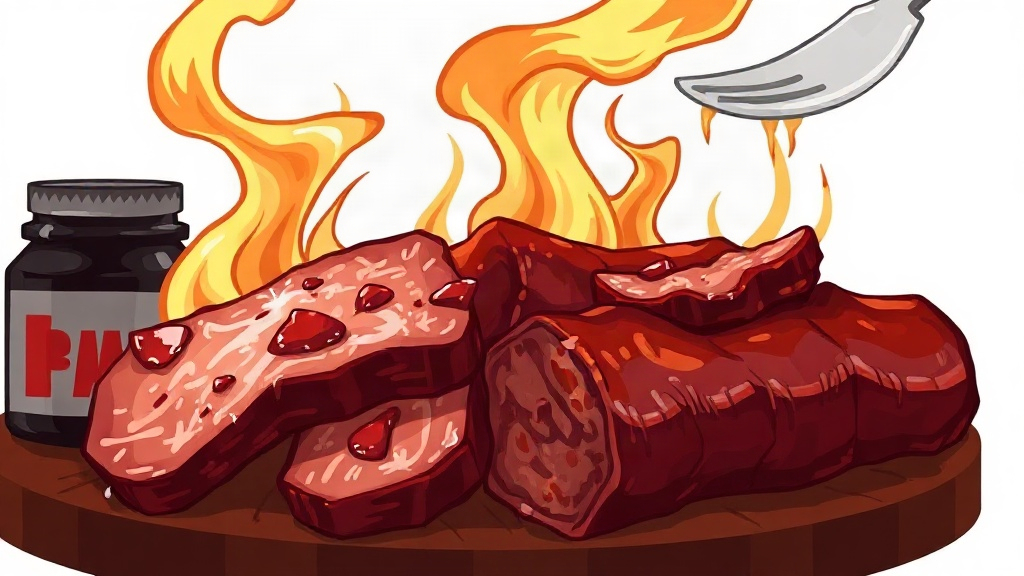
If you want to experience the classic contrast, order a dry rib and ask for sauce on the side—this reveals the cook’s rub technique and the sauce-maker’s skill separately.
Trends and variations
Memphis barbecue keeps evolving with creative rubs, regional wood blends, and a growing interest in plant-based options at some kitchens. Competition teams and backyard enthusiasts continue to push techniques while restaurants experiment with spice profiles, international-inspired sauces, and seasonal sides—yet the core emphasis on balanced pork, smoke, and texture remains constant.
Whether sampling at a legendary pit or firing up a smoker at home, Memphis barbecue rewards patience and an appreciation for nuance.
Start with a dry rib to taste the rub, then try a sauced shoulder to experience the full flavor spectrum. The contrast is part of the culture—and part of the fun.