
 Emma Jantzen
 Master Cajun Cooking: Essential Roux, the Holy Trinity, One-Pot Recipes & Modern Swaps
Cajun cooking is about bold flavors, efficient technique, and making the most of humble ingredients. Rooted in a rustic, one-pot approach, it turns simple pantry staples into deeply satisfying meals. Whether you’re chasing the perfect gumbo or adapting classics for modern diets, mastering a few core principles will transform your kitchen game.
Core techniques that define Cajun cooking
– Roux: The foundation of many Cajun dishes, roux is equal parts fat and flour cooked to varying colors. A light roux thickens gently; a dark roux adds deep, nutty complexity. Patience is key — stir constantly over medium-low heat to avoid burning.
– Holy Trinity: Onion, celery, and bell pepper form the flavor base in place of mirepoix. Sweat them slowly to release sweetness and build depth.
– Low-and-slow simmering: Many dishes develop their best flavor with time. Gentle simmering melds spices, tenderizes proteins, and allows starches to thicken naturally.
Signature dishes and variations
– Gumbo: A thick, spoonable stew that can feature seafood, chicken and sausage, or a vegetarian mix. Thicken with roux, okra, or filé powder (ground sassafras leaves) for different textures and flavor notes.
– Jambalaya: A hearty rice-and-protein skillet meal. Cajun-style typically browns the meat with the rice, producing a drier, more caramelized texture; Creole versions often include tomatoes for a saucier finish.
– Étouffée: Traditionally made with shellfish served over rice, étouffée uses a blond roux and a rich, concentrated sauce.
– Sausage, boudin, and more: Smoked sausage, crawfish pies, and spicy boudin illustrate the cuisine’s nose-to-tail and nose-to-sea resourcefulness.
Spices, seasoning, and balance
Cajun spice blends are bold but balanced. Cayenne and black pepper bring heat; paprika adds color and sweetness; garlic and onion powder increase depth. Bay leaves, thyme, and green onions contribute aromatics. Taste as you go — it’s easier to add heat than to take it away. Finish with acid (a squeeze of lemon) or fresh herbs to lift heavy dishes.
Modern twists and dietary swaps
Cajun cooking adapts well for contemporary eaters.
Swap butter for neutral oil to make a dairy-free roux; use gluten-free flour or finely ground rice flour for a gluten-free roux; replace meat with mushrooms, jackfruit, or smoked tofu for plant-based jambalaya and étouffée. Air-fryer blackened fish or chicken delivers crisp exterior without excess oil, while sustainable, locally sourced seafood keeps classic flavors environmentally conscious.
Equipment and make-ahead tips
Invest in a heavy-bottomed Dutch oven or cast-iron pot for even heat and reliable roux-making.
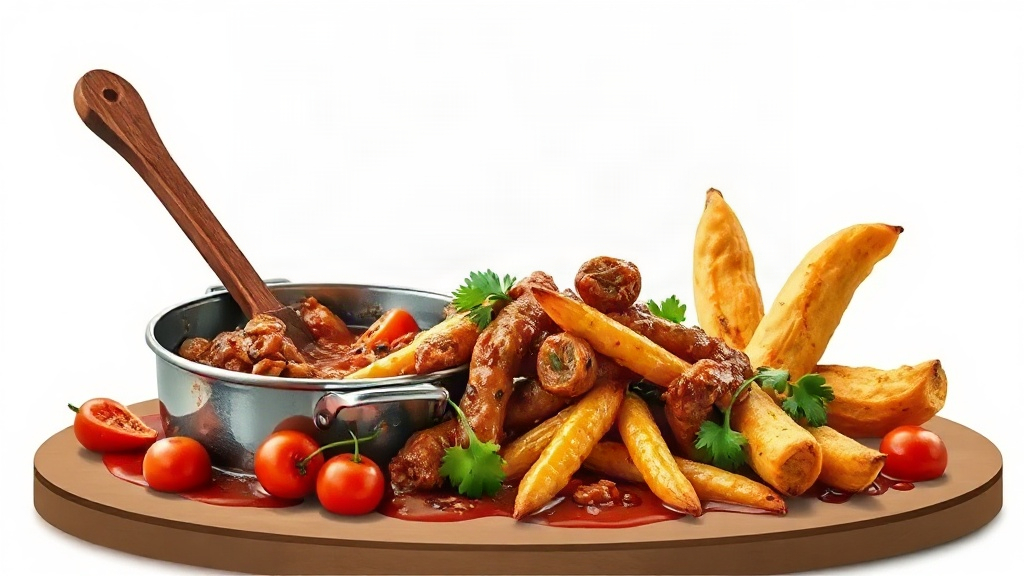
A good wooden spoon and a dedicated spice jar for your homemade Cajun blend are time-savers. Many Cajun dishes improve after resting — gumbo and red beans & rice taste better the next day — and freeze well for easy reheating.
Pairings and serving
Serve spicy Cajun dishes with neutral starches like white rice or crusty bread to balance heat. Cornbread, pickled vegetables, and simple green salads work well as sides. For beverages, crisp lagers, citrus-forward white wines, or a classic New Orleans cocktail match the cuisine’s richness.
Start simple: practice a basic roux and the holy trinity, then explore recipes and ingredient swaps. With a few techniques mastered, you’ll be able to coax big, unforgettable flavors from everyday ingredients and bring the spirit of Cajun cooking to your table.