
 Emma Jantzen
 Bourbon Trail Road Trip: Essential Planning Tips, Tasting Etiquette, and Best Routes
The Bourbon Trail is more than a collection of distilleries — it’s an immersive road trip through American craftsmanship, food culture, and scenic small towns. Whether you’re a first-time taster or a seasoned collector, planning makes the difference between a rushed itinerary and a memorable journey.
Start with a route and reservations
Popular distilleries often require advance reservations for tours and tasting experiences. Book the standard tour for an overview, and reserve premium options (private tastings, blending sessions, cooperage tours) if you want something more hands-on. Many visitors base themselves in a central hub like Louisville or Bardstown to hit multiple stops in a day without long drives.
Choose your loop
The traditional Bourbon Trail takes you through signature names and historic sites, while a craft bourbon loop highlights smaller, artisan distilleries with more experimental releases. A one-day loop can showcase a few nearby sites; a two- to three-day plan lets you explore major houses, boutique operations, and local restaurants at a relaxed pace.
Responsible travel and transport
Designate a sober driver or book a guided shuttle or private driver. Ride-share services are available in urban centers but can be limited in rural areas, so plan accordingly.
Many distilleries sell exclusive bottles or limited releases on-site — purchasing and transporting spirits is legal for most travelers, but always secure bottles properly and follow local regulations when driving.
Tasting etiquette and how to taste like a pro
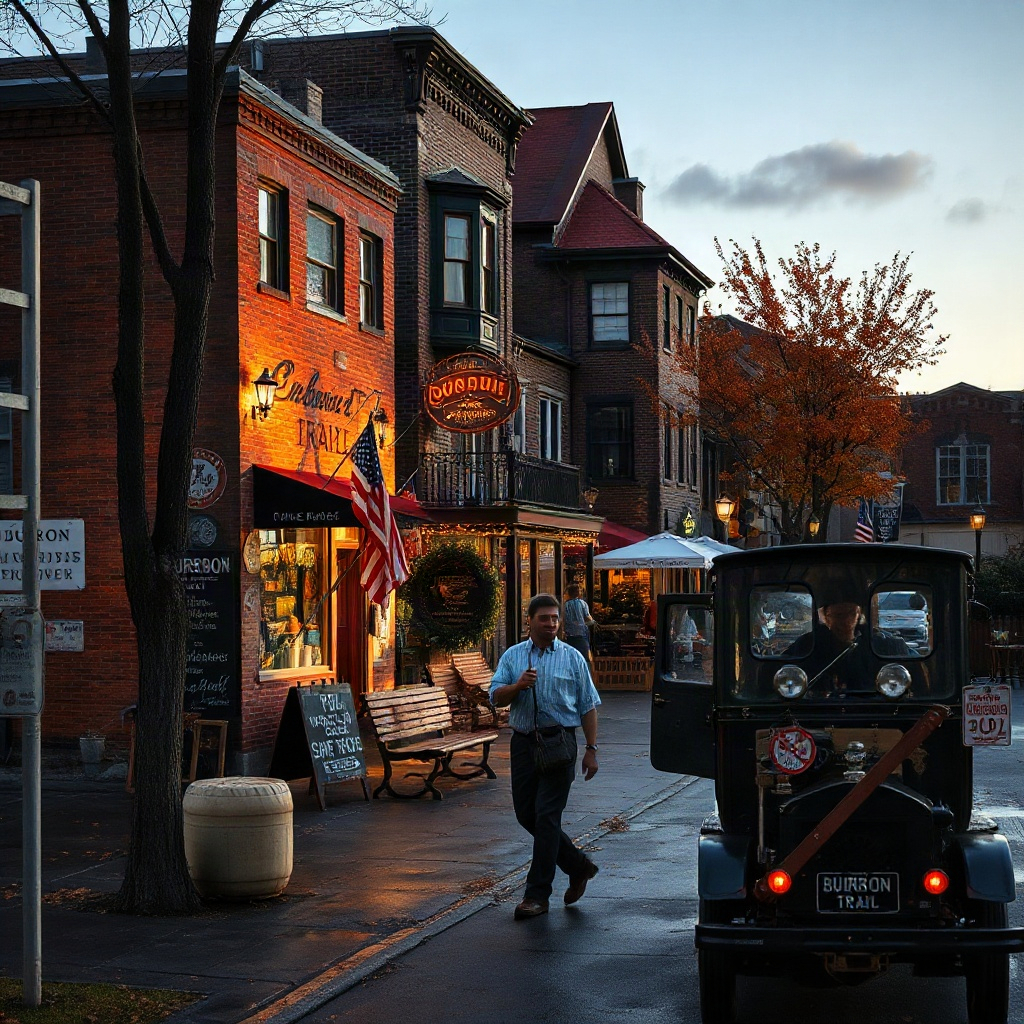
Tasting at distilleries is a sensory experience. Start by looking at the color, then nose the spirit gently — short, soft sniffs reveal more than a deep inhale. Small sips let you pick up primary flavors (vanilla, caramel, spice), followed by the finish. Water can open up certain expressions, and spitting is acceptable at busy tastings or when sampling many whiskeys in one visit. If you plan to buy, ask staff about distillery-only releases and shipping options.
Events, seasons, and what to pack
Spring and fall offer comfortable touring weather and vibrant scenery. Summer brings longer days but can be crowded and hot; winter offers quieter travel and seasonal specials. Bring closed-toe shoes for warehouse visits, layers for changing temperatures inside barrelhouses, and a reusable water bottle to stay hydrated between tastings.
Where to eat and stay
Small towns along the trail pair excellent comfort food, Southern hospitality, and modern farm-to-table options.
Look for distillery-adjacent restaurants that craft cocktail programs using house whiskeys.
Lodging ranges from boutique inns and historic bed-and-breakfasts to urban hotels in Louisville with easy access to nightlife and culinary scenes.
Hunting limited releases
Many distilleries offer bottlings exclusive to their gift shops or membership clubs. If you’re chasing a particular release, sign up for distillery newsletters, join loyalty programs, and understand allocation policies.
Be wary of secondary-market markups; buying directly from the source is often the best value and supports the distilleries.
Make it personal
The best Bourbon Trail trips balance marquee names with hidden gems. Spend time talking to distillery staff — their stories about mash bills, barrel selection, and aging provide context that turns a tasting into an education. Plan a mix of big-brand tours and craft stops to appreciate the range of styles that define bourbon today.
With thoughtful planning, responsible transportation, and an open palate, the Bourbon Trail delivers a rich cultural and culinary adventure that resonates long after the bottle is finished.
0 Comment