
 Emma Jantzen
 Carolina Lowcountry Travel Guide: Wildlife, Gullah Culture, Coastal Cuisine & Eco-Tours
The Carolina Lowcountry is a landscape of tidal marshes, moss-draped oaks, barrier islands and slow-moving creeks that shape a distinct coastal culture. Stretching from the fringes of historic port towns to remote sea islands, this region offers a mix of nature, food and history that keeps drawing curious travelers and conservation-minded residents.
Landscape and wildlife
Salt marshes dominate the Lowcountry, acting as nursery grounds for shrimp, oysters and many fish species. These marshes also support a rich birdlife — herons, egrets and migratory shorebirds are common sights — and are framed by barrier islands that buffer the mainland from storms. Look for dolphins nearshore, occasional sea turtles on quiet beaches, and marsh mammals like raccoons and otters along tidal creeks.
Protected areas and wildlife refuges provide easy access for wildlife viewing while minimizing human impact.
Culture and cuisine
The Lowcountry’s cultural heartbeat is shaped by Gullah heritage, seafaring traditions and plantation-era history. Gullah communities preserve language, crafts and culinary techniques that trace back through generations. Food is central: think shrimp and grits, oysters on the half shell, she-crab soup and Lowcountry boils flavored with local spices and fresh seafood. Farmers’ markets and coastal docks are great places to taste seasonal catch and meet the people who supply the region’s restaurants.
Things to do
– Kayak or paddleboard through tidal creeks and around barrier islands to experience quiet landscapes and close-up wildlife encounters. Guided eco-tours are ideal for learning about marsh ecology.
– Explore historic districts on foot to see preserved architecture, cobblestone streets and public gardens. City tours often highlight the maritime history that shaped regional trade and culture.
– Visit coastal refuges and boardwalk trails for birdwatching and photography. Lowcountry wetlands are a prime destination for birders year-round.
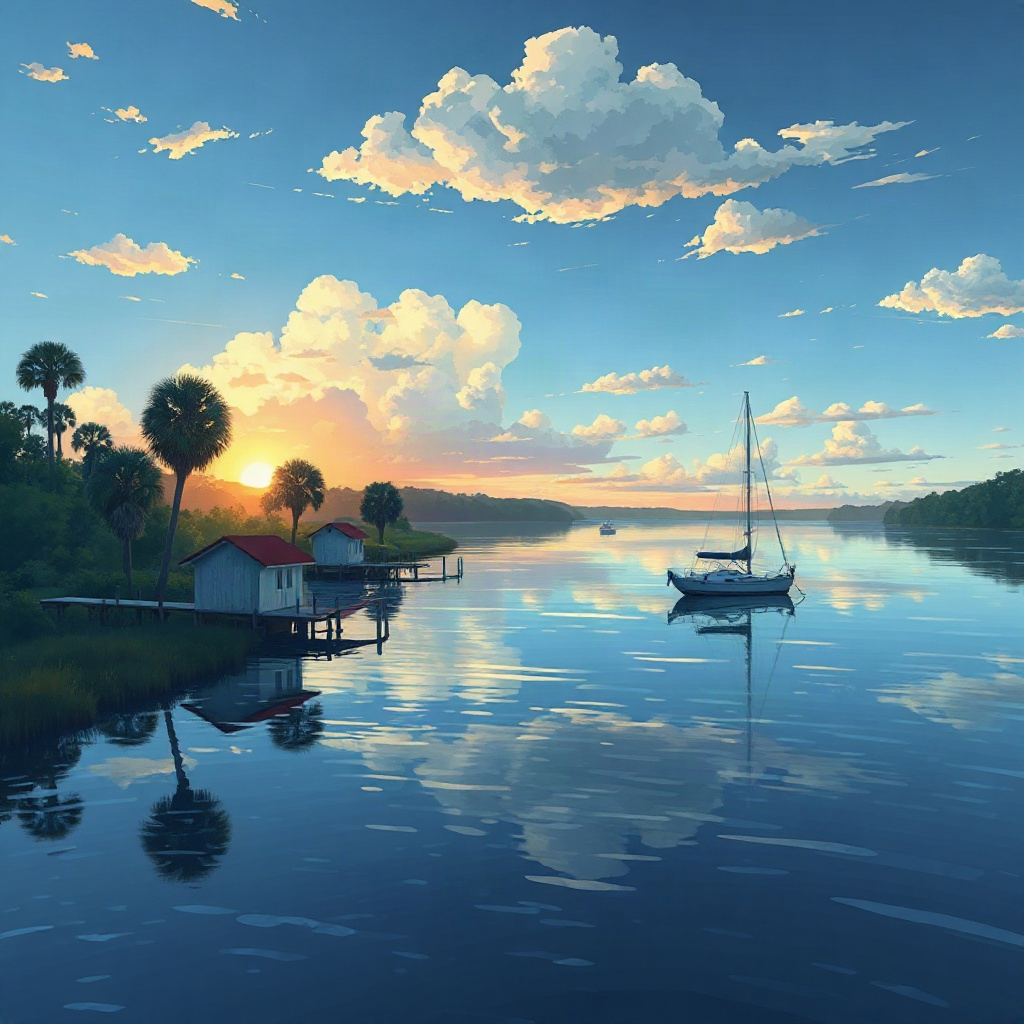
– Take a boat trip to nearby islands for shelling beaches, spotting wild horses where they still roam, or simply enjoying uncrowded shoreline.
– Attend a Gullah cultural program or heritage tour to learn about story-telling, sweetgrass basket weaving and local music traditions.
Practical travel and visitor tips
– Respect fragile habitats: stay on marked trails, avoid trampling marsh grasses and never feed wildlife.
– Choose responsible tour operators who follow leave-no-trace principles and support local conservation efforts.
– Time-of-day matters for wildlife viewing — early morning and late afternoon often deliver the best sightings and light for photography.
– Pack for humidity and sun: lightweight layers, sun protection and waterproof footwear for muddy shorelines improve comfort on excursions.
– Support local businesses: ordering seafood from dock-to-table purveyors, buying crafts from Gullah artisans and dining at family-run restaurants help sustain the region’s economy and culture.
Conservation and stewardship
The Lowcountry faces pressures from development, coastal erosion and rising tides. Community-based conservation initiatives, land trusts and coastal management programs are actively working to protect marshes, barrier islands and cultural resources. Visitors can contribute positively by following local guidelines, donating to reputable organizations and choosing sustainable experiences.
The Carolina Lowcountry remains a place where nature and human history are tightly woven. Whether the aim is a quiet nature escape, a culinary adventure or a cultural education, mindful travel amplifies the region’s resilience and preserves its character for those who come after.
0 Comment