
 Emma Jantzen
 Nashville Travel Guide: Top Things to Do — Music, Food & Neighborhoods
Nashville keeps drawing visitors and new residents with a mix of legendary music culture, a rapidly evolving culinary scene, and neighborhoods that each offer a distinct personality.
Whether you’re planning a short trip or scouting a longer stay, the city’s energy is a compelling blend of tradition and reinvention.
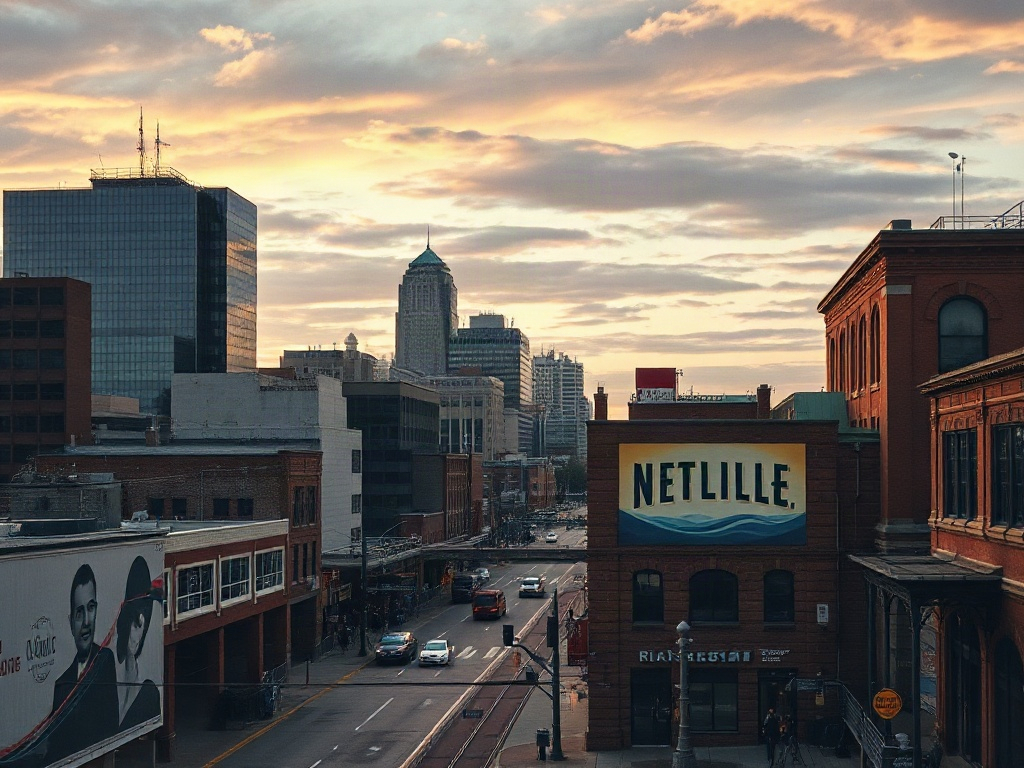
Music remains the heart of Nashville. The honky-tonks along Broadway pulse with live performances from morning into the night, while iconic venues like the Ryman Auditorium and the Grand Ole Opry showcase established artists and rising stars. Songwriting rounds, intimate sets at small clubs, and industry gatherings mean music discovery feels organic: you can catch a future chart-topper in a tiny bar and find a veteran songwriter sharing stories between songs.
Neighborhoods deliver different flavors. Downtown is the go-to for nightlife and tourist landmarks, while The Gulch offers upscale dining, boutique shopping, and photogenic murals. East Nashville is prized for its creative, indie spirit — think craft coffee shops, record stores, and experimental music venues. Germantown and 12South feature walkable streets, stylish restaurants, and local boutiques ideal for food lovers and shoppers who want a more relaxed pace than the downtown scene.
Food is a major reason people fall for the city.
Nashville hot chicken remains an essential bite — from classic, family-run counters to chef-driven riffs — but the dining landscape has broadened considerably. Expect inventive farm-to-table restaurants, Southern comfort food with modern twists, a lively barbecue scene, and a growing roster of international eateries. Craft breweries and cocktail bars have multiplied, creating a robust after-dinner scene beyond the honky-tonks.
Outdoor options are abundant. The Cumberland River’s greenways and riverfront parks are great for running, biking, or taking a sunset stroll. Urban parks like Centennial Park — with its notable Parthenon replica — provide meeting spots for music, fitness, and family outings. For more rugged trails and wildlife viewing, Radnor Lake and Percy Warner Park offer quiet retreats just a short drive from the city core.
Arts and culture extend well beyond music. Museums, galleries, and public art installations add nuance to the city’s creative identity. The Frist-class museum spaces highlight both international exhibits and local artists, while seasonal festivals and neighborhood art walks bring communities together around visual and performing arts.
Getting around has become easier as options expand. The international airport connects the city to many major markets; ride-hailing services and a growing micromobility network make short trips straightforward.
Public transit improvements and conversations about longer-term rail and rapid-transit projects reflect the city’s focus on managing growth with mobility in mind.
Tips for visiting: plan popular performances and songwriter rounds in advance; explore beyond Broadway to discover local favorites and quieter music venues; book weekend dining reservations early, especially for well-known restaurants; and use neighborhood-focused itineraries (music, food, parks) to get a rounded sense of the city without rushing.
Nashville’s appeal lies in its layered personality — a place where tradition meets experimentation, where a corner honky-tonk sits near a chef’s tasting menu, and where walkable neighborhoods invite both discovery and community. For travelers and newcomers alike, it’s a city that rewards curiosity and a willingness to wander beyond the obvious.
0 Comment