
 Emma Jantzen
 Gulf Seafood Guide: Top Species, Sustainable Sourcing & Easy Cooking
Gulf seafood remains a cornerstone of coastal cuisine, valued for vibrant flavors, broad species diversity, and strong cultural ties. From Gulf shrimp and oysters to red snapper and grouper, knowing how to choose, prepare, and buy responsibly makes seafood both delicious and sustainable.
Why Gulf seafood stands out
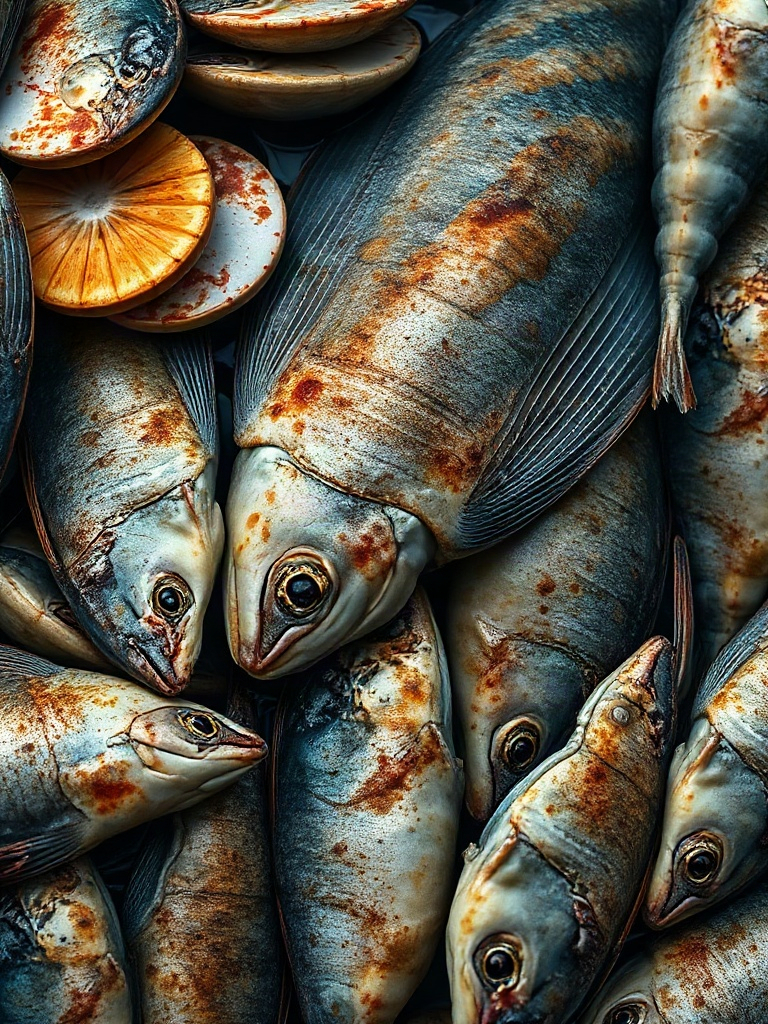
The Gulf supports a wide range of commercially important species that thrive in warm, productive waters. Many of these species are prized for their sweet, briny taste and firm texture—qualities that translate well across simple weeknight meals and elegant restaurant plates. Regional fishing communities also place a strong emphasis on tradition, which influences harvesting practices and local markets.
Top species to look for
– Gulf shrimp: Sweet and versatile—available as white, brown, and pink varieties. Ideal for grilling, sautéing, or a classic shrimp boil.
– Oysters: Gulf oysters are known for a fuller, brinier flavor. Great raw on the half shell, roasted, or fried.
– Red snapper: Firm, mildly sweet fillets that hold up well to grilling, baking, and pan-searing.
– Grouper: Thick, meaty fillets that work beautifully on the grill or under a broiler.
– Blue crab: A regional favorite for steaming, crab cakes, and bisques.
Sustainability and responsible sourcing
Sustainable fishing practices are important to keep Gulf stocks healthy and coastal economies resilient. When buying seafood, look for retail transparency—labels that show catch method, area of harvest, and whether it’s wild-caught or farmed. Local fish markets and certified suppliers often provide traceability, which helps avoid overfished or illegally caught products.
Health and safety considerations
Shellfish like oysters and clams are delicious but can carry bacteria or toxins if harvested during harmful algal blooms. Check local shellfish advisories before eating raw shellfish and follow public health guidance on beach closures and harvest restrictions.
For fish, be mindful of advisories regarding contaminants like mercury for vulnerable groups; many Gulf species are low in mercury and rich in omega-3 fatty acids, making them heart-healthy choices.
Simple storage and handling tips
– Buy from reputable vendors and check for a clean smell—fresh seafood should smell like the sea, not fishy.
– Keep fish on ice or refrigerated immediately; consume fresh seafood within a day or two, or freeze for longer storage.
– For freezing, wrap tightly or vacuum seal to prevent freezer burn; thaw in the refrigerator or under cold running water.
– When shucking oysters, use a proper oyster knife and protective glove to avoid injury.
Cooking techniques that highlight Gulf flavors
– Quick pan-sear: Season fillets simply with salt and pepper; cook skin-side down first for a crispy finish.
– Grill: Brush with oil and cook over medium-high heat for a smoky char—great for snapper and grouper.
– Poach or steam: Keeps delicate textures moist, excellent for shrimp and white-fleshed fish.
– Raw preparations: Only enjoy raw oysters and ceviche when sourced from reputable vendors and following advisories.
Buying local supports communities
Shopping at local seafood markets or buying directly from dockside sellers helps sustain coastal livelihoods and often guarantees the freshest product. Farmers’ markets and community-supported seafood programs are growing ways to connect consumers with traceable, responsibly harvested Gulf catches.
Whether you’re planning a backyard shrimp boil or a simple grilled fillet, Gulf seafood offers approachable, flavorful options. With thoughtful sourcing, safe handling, and straightforward cooking, you can enjoy the region’s seafood while supporting healthy ecosystems and local fishers.
0 Comment