Emma Jantzen
 Bayou Life: A Guide to Wildlife, Food, Culture and Responsible Visiting
Bayou life blends slow-moving water, rich soil, and a culture shaped by the rhythms of the swamp.
Whether you’re drawn by the wildlife, the food, or the mellow pace, the bayou offers an immersive experience where nature and community are tightly woven.
A living landscape
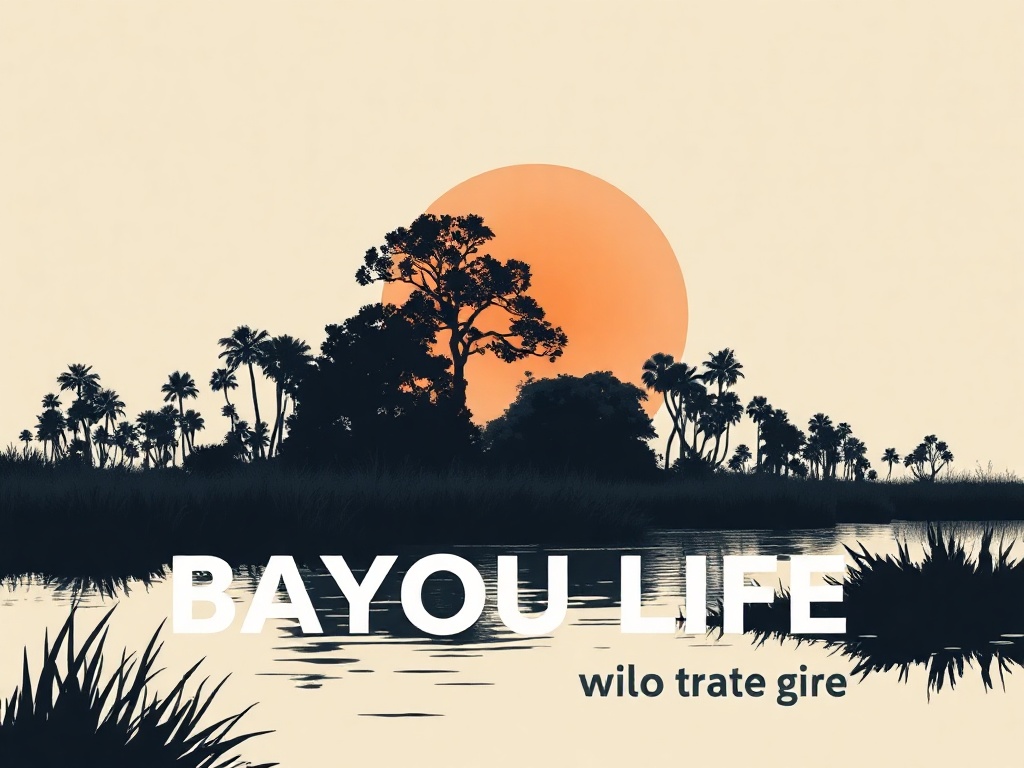
The bayou is a mosaic of marshes, cypress-tupelo swamps, and winding channels. Spanish moss drapes from live oaks, cypress knees punctuate mirrored water, and mud banks cradle fiddler crabs. Wildlife is abundant: great blue herons stand like sentinels, turtles bask on logs, and bullfrogs fill the night with a steady chorus. Alligators are part of the ecosystem; spotting one is common, but they’re best observed from a safe distance.
Cultural currents
Bayou communities carry deep traditions rooted in Indigenous, French, African, and Spanish influences.
Music — from zydeco to blues — is a backdrop to family gatherings. Food is central: gumbo, jambalaya, and crawfish boils celebrate local seafood and backyard hospitality.
Small-scale fisheries, oyster leases, and family-run crawfish farms are economic anchors that sustain generations.
Work and livelihoods
Life in the bayou often centers on the water. Shrimpers, oystermen, and crabbers work tides and weather to bring the harvest ashore. Ecotourism and guided swamp tours provide supplemental income while sharing local knowledge with visitors. Craftspeople and artists draw inspiration from the landscape, turning reclaimed wood, duck calls, and seasonal motifs into marketable goods.
Responsible visiting
Visitors enrich local economies but should tread lightly.
A few practical tips:
– Hire local guides for swamp tours or kayak trips to support the community and learn safe routes.
– Bring insect repellent, sun protection, and waterproof footwear.
– Respect private property and posted signs; many waterways and banks are privately owned.
– Never feed or attempt to touch wildlife; keep a safe distance from alligators and wild animals.
– Dispose of trash properly and avoid single-use plastics that can harm marsh life.
Conservation and resilience
Bayous are dynamic and vulnerable. Coastal erosion, land subsidence, invasive species, and changing weather patterns affect habitat health and community livelihoods. Restoration efforts focus on marsh rebuilding, living shorelines, and replanting native vegetation.
Community-driven programs pair traditional knowledge with science to strengthen resilience and preserve cultural practices tied to the land.
Seasonal rhythms and planning
The bayou follows seasonal cycles that influence fishing, bird migrations, and festivals. When planning a trip or a harvest, check local weather and fisheries regulations, and look for community events that welcome visitors. Small towns often host food-centric gatherings, open-air markets, and music nights that offer authentic cultural exchanges.
Why the bayou matters
Beyond scenic beauty, the bayou functions as a natural filter and buffer—improving water quality, storing carbon, and protecting inland areas from storm surge.
Its cultural fabric preserves languages, recipes, and crafts that are uniquely adapted to wetland life. Supporting responsible tourism and conservation helps ensure the bayou remains productive for future generations.
For anyone seeking a mix of nature, culture, and quiet intensity, bayou life delivers. Move slowly, listen carefully, and you’ll find a place where water shapes not only the landscape but the way people live, work, and celebrate.