
 Emma Jantzen
 Bayou Life: A Practical Guide to Wildlife, Food, Tours, and Conservation
Bayou life captures a unique blend of wilderness, culture, and resilience found where slow-moving waters meet human communities.
From moss-draped cypress and morning fog to kitchens simmering with gumbo, the bayou offers a sensory-rich experience that supports both biodiversity and deep-rooted traditions.
Ecosystem and wildlife
The bayou is a mosaic of wetlands, marshes, and backwater sloughs that serve as nursery grounds for fish and invertebrates and as crucial stopovers for migratory birds.
Expect to see herons and egrets stalking shallow water, turtles basking on logs, and the occasional otter’s sleek silhouette. Alligators are part of the landscape; respectful distance and caution are essential. Healthy bayou systems filter pollutants, store floodwater, and sequester carbon—services that benefit nearby towns and cities.
Food and culture
Food is a living expression of bayou life. Seafood harvested from these waters—shrimp, crawfish, oysters, and catfish—anchors local menus. Classic dishes like gumbo and jambalaya reflect a melding of Indigenous, African, French, and Spanish influences, while backyard fish fries and crawfish boils are community rituals. Music and storytelling are equally central: zydeco, blues, and brass-inflected rhythms often spill from porches and dance halls, connecting people to place through sound.
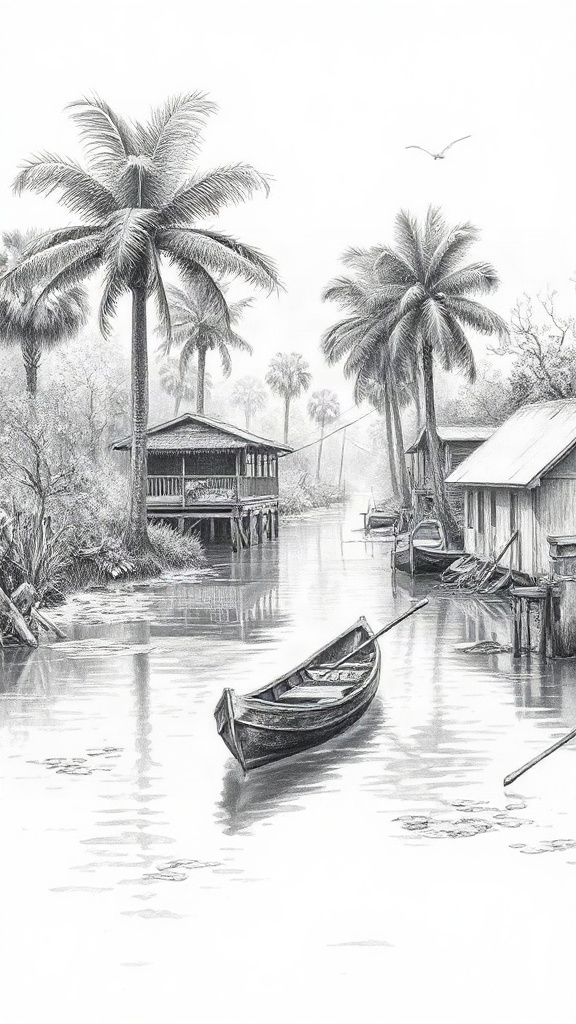
Ways to experience the bayou
Boat tours and guided paddles are the most immersive ways to learn about the habitat and its history. Choose operators that prioritize low-impact practices and local stewardship. Short walking trails and boardwalks near marsh edges offer accessible wildlife viewing. Visiting farmers’ markets, seafood docks, and neighborhood eateries provides a taste of everyday bayou culture—look for seasonal, locally sourced catch and produce to support sustainable livelihoods.
Conservation and resilience
Bayou communities have long adapted to water’s fluctuations, and modern challenges add urgency to restoration work. Saltwater intrusion, erosion, pollution, and development threaten marsh integrity. Community-driven projects—like living shorelines, oyster reef restoration, and replanting native marsh grasses—help stabilize shorelines and rebuild habitat.
Supporting these efforts through volunteerism, donations, or choosing sustainable seafood makes a direct difference.
Practical tips and etiquette
– Safety first: wear a life jacket on small boats, be mindful of changing weather, and never approach or feed wildlife.
– Mosquito management: use repellents, wear long sleeves at dawn and dusk, and choose accommodations with screened spaces.
– Respect private land and cultural sites: many bayou spaces are privately owned or sacred to local communities; always ask permission.
– Minimize impact: follow “leave no trace” habits, dispose of waste properly, and favor tour operators with clear conservation policies.
Why bayou life matters
Beyond its scenic allure, the bayou is pivotal for regional biodiversity, cultural heritage, and local economies. Protecting these waters protects fisheries, supports climate resilience, and preserves a way of life defined by adaptability and creativity. Whether exploring by kayak, sampling roadside po’boys, or supporting habitat restoration, engaging with the bayou thoughtfully ensures its rhythms continue to enrich future generations.
A day on the bayou can be a lesson in patience—watching quiet water refract sky and cypress, listening for a distant blues riff, or feeling the slow heartbeat of a landscape that sustains people and wildlife alike.