
 Emma Jantzen
 How to Grow Magnolia Trees: Choosing Varieties, Planting, Care & Troubleshooting
Magnolia trees combine timeless beauty with surprising resilience, making them a favorite for residential and public landscapes. Their large, often fragrant blooms and glossy foliage create focal points from small yards to city streets. Understanding species differences, planting basics, and common care needs helps ensure long-lasting health and spectacular flowering.
Choosing the right magnolia
Magnolias range from compact, early-blooming varieties to large evergreen specimens. Deciduous types like saucer and star magnolias burst into spectacular floral displays in spring and work well as specimen trees or in mixed borders.
Evergreen varieties, such as the southern magnolia, offer year-round interest with large leathery leaves and showy flowers that attract attention and provide shelter for birds.
Consider mature size, bloom time, and cold hardiness for your climate and location. Smaller cultivars suit tight spaces, while larger species perform best with room to develop naturally.
Planting and soil
Magnolias prefer rich, well-draining soil with consistent moisture. When planting, dig a hole only as deep as the root ball but twice as wide to encourage lateral root growth. Avoid planting too deeply—magnolias are prone to stress from buried crowns. Backfill with native soil amended with compost if needed, and apply a 2–3 inch mulch layer, keeping mulch away from direct trunk contact to prevent rot.
Most magnolias tolerate a range of soil pH but generally prefer slightly acidic conditions; a soil test can guide specific amendments.
Watering and feeding
Establishing magnolias need regular watering during their first few seasons.
Deep, infrequent watering encourages a robust root system. Once established, many magnolias show surprising drought tolerance, though evergreen types may require supplemental moisture during hot, dry spells. Feed lightly in spring with a balanced, slow-release fertilizer or incorporate compost around the drip line to supply nutrients naturally. Avoid heavy fertilization, which can lead to excessive vegetative growth at the expense of blooms.
Pruning and bloom management
Prune magnolias sparingly. Many deciduous magnolias set buds on older wood, so major pruning is best done immediately after flowering to avoid reducing the next season’s blooms. Remove dead, crossing, or diseased branches anytime.
For evergreen magnolias, minimal pruning keeps the natural form intact. If shaping is necessary, do it gently and avoid heavy heading cuts that cause stress and long-term scarring.
Pests and diseases
Common issues include scale insects, aphids, and occasional fungal leaf spots. Magnolias are also susceptible to magnolia borer and root rot in poorly drained soils. Integrated pest management works well: encourage beneficial insects, use horticultural oil or insecticidal soap for soft-bodied pests, and prune affected branches.
Maintain good air circulation and avoid overwatering to reduce fungal problems.
Landscape uses and ecological value
Magnolias offer more than beauty. Their large flowers provide resources for pollinators like beetles, and dense canopies offer nesting and shelter for birds.
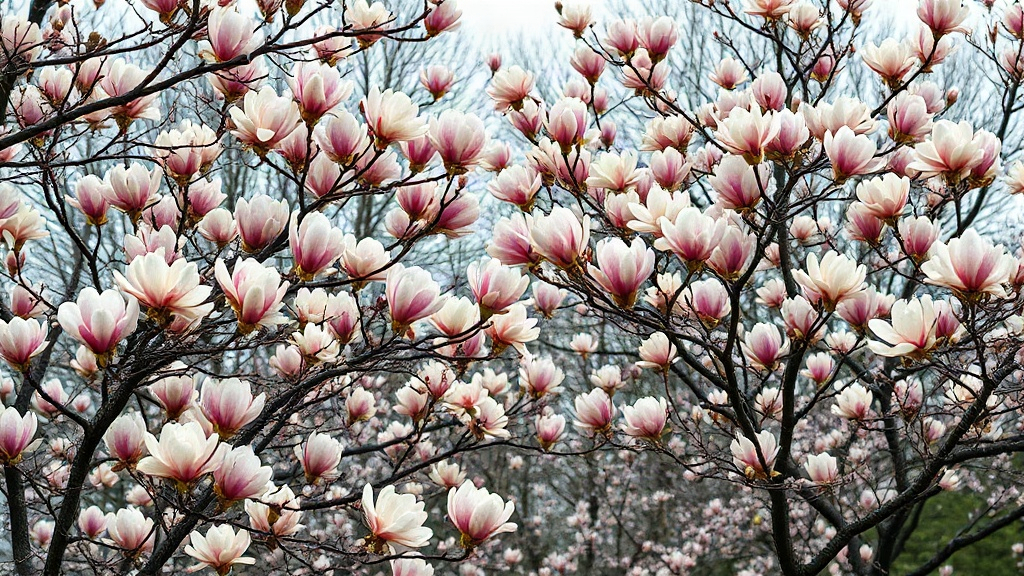
They make excellent focal points in mixed beds, serve as privacy screens when planted as groups, and can stand alone as lawn specimens.
Pair magnolias with acid-loving companions such as azaleas, camellias, and ferns for harmonious textures and layered blooms.
Propagation and long-term care
Propagation is commonly done by seed, cuttings, or grafting. Seed-grown magnolias may take longer to flower and vary in traits, while grafted cultivars preserve specific characteristics. Protect young trees from compacted soil and mechanical damage, and monitor for transplant shock after moving or heavy root disturbance.
With thoughtful selection and basic care, magnolias reward gardeners with striking form, scent, and seasonal drama. Whether planting a compact cultivar on a patio or a stately tree as a long-term centerpiece, they offer enduring charm and ecological benefits that enrich any landscape.