
 Emma Jantzen
 Magnolia Trees: How to Choose, Plant, and Care for Stunning Blooms
Magnolia trees combine bold, sculptural form with fragrant, dramatic blooms, making them a favorite for both formal gardens and casual landscapes. Known for large, often creamy flowers and glossy leaves, magnolias offer year-round interest—either as evergreen background (in warmer climates) or as striking spring-blooming specimens in cooler areas.
Choosing the right magnolia
– Evergreen vs. deciduous: Southern magnolias (Magnolia grandiflora) stay evergreen in mild climates and make excellent screens, while saucer, star, and tulip magnolias provide spectacular deciduous blooms in spring.
– Size and form: Some magnolias become towering specimen trees, others remain compact. Dwarf cultivars and columnar forms suit small yards or container planting.
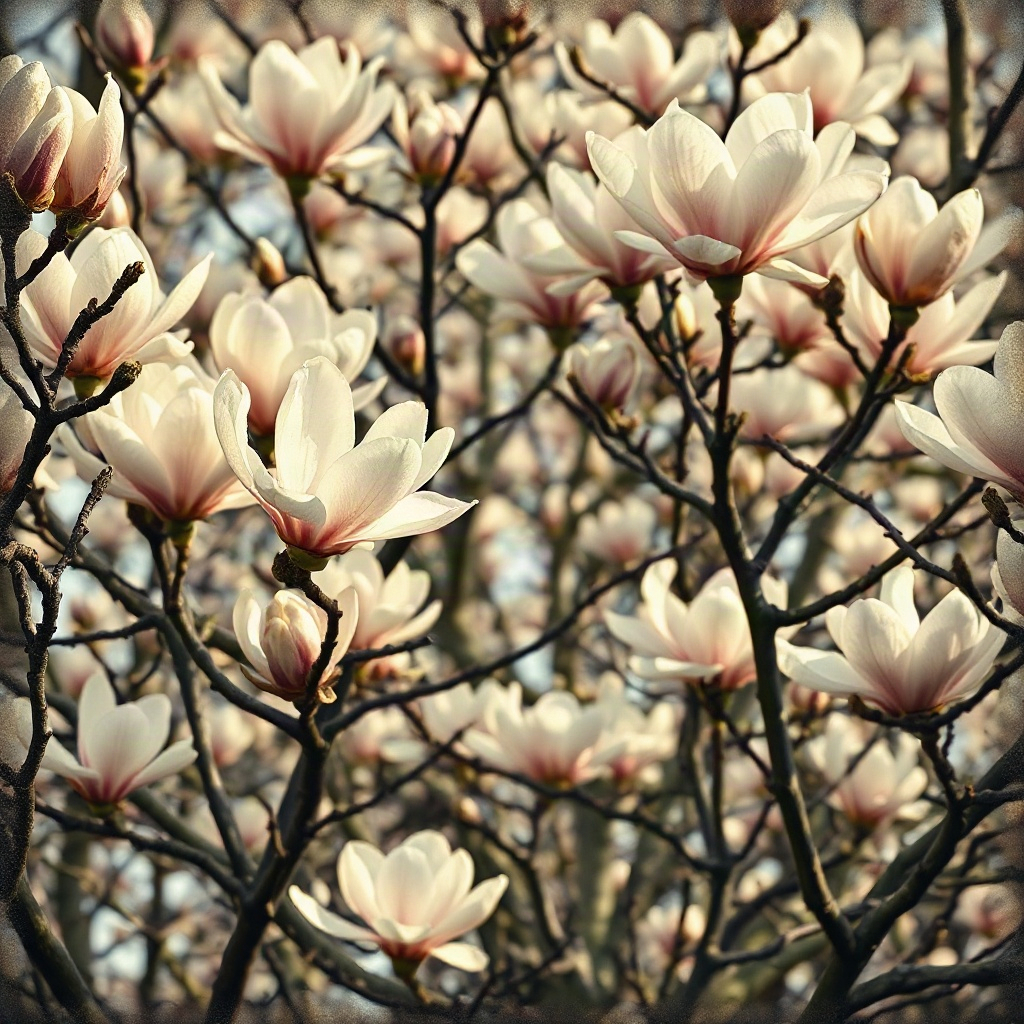
– Bloom timing and cold tolerance: Select varieties suited to your local climate and risk of late cold snaps; some types bloom earlier and are prone to frost damage, while others flower later or have more cold-hardy buds.
Planting and site selection
Magnolias prefer a sheltered site with morning sun and afternoon shade in very hot regions. They thrive in rich, slightly acidic to neutral soil that holds moisture but drains well. Avoid planting too deep—set the root flare at or just above ground level. Give magnolias space: their root systems spread wide, and they develop expansive crowns that benefit from an open planting bed.
Care and maintenance
– Watering: Keep young trees consistently moist through their first few seasons.
Established magnolias are moderately drought-tolerant but benefit from supplemental watering during prolonged dry spells.
– Mulch: Apply an organic mulch layer around the root zone to regulate soil temperature and conserve moisture. Keep mulch away from direct contact with the trunk to prevent rot.
– Fertilizing: Most magnolias don’t need heavy feeding. If growth is slow or leaves yellow, a balanced, slow-release fertilizer or an acidic-formulated feed can help.
Always follow soil test guidance if possible.
– Pruning: Minimal pruning is best. Remove dead or crossing branches and shape lightly after flowering for deciduous magnolias. Avoid heavy pruning, especially on evergreen types, unless rejuvenation is necessary.
Common issues and solutions
– Chlorosis (yellow leaves): Often caused by alkaline soil; iron chelates and soil acidification can correct nutrient uptake problems.
– Pests: Scale insects are the most frequent nuisance. Treat infestations with horticultural oil or targeted insecticidal products when needed. Magnolias are generally resistant to deer and rabbits.
– Diseases: Poor drainage can invite root rot; ensure good soil structure and avoid waterlogged sites.
Leaf spot and cankers can appear in stressed trees—maintain vigor and remove affected limbs.
Propagation and practical uses
Magnolias can be grown from seed, but seedlings may take many years to bloom and may not be true to the parent. Layering and semi-hardwood cuttings with rooting hormone are faster ways to propagate select varieties. Many magnolias perform beautifully as focal specimen trees, privacy screens, or as fragrant additions near patios and entries. Cut blossoms of some species offer long-lasting indoor display.
Design tips
Pair magnolias with understory plantings that tolerate similar soil and light—shade-tolerant perennials, ferns, and acid-loving shrubs like rhododendrons. For small spaces, choose compact cultivars or train magnolias as multi-stemmed specimens to emphasize their floral display without overwhelming the yard.
Magnolias bring timeless drama and scent to the landscape. With thoughtful selection and gentle care, they reward gardeners with memorable blooms and architectural presence for decades.