
 Emma Jantzen
 Bayou Life: A Visitor’s Guide to Wildlife, Cajun & Creole Culture, and Conservation
Bayou life blends slow rhythms, rich wildlife, and a culture shaped by water. From the moss-draped cypress knees to the aroma of simmering spices, the bayou is an ecosystem and a lifestyle—one that invites curiosity, respect, and careful stewardship.
The living bayou
A bayou is more than a scenic waterway; it’s a complex wetland that supports fish, birds, amphibians, and mammals adapted to seasonal changes in water and salinity. Cypress trees and tupelo gums anchor the banks while marsh grasses filter nutrients and trap sediment. These habitats provide nursery grounds for shrimp and young fish, feeding corridors for birds, and refuge for species that rely on both water and land.
Wildlife watchers will spot herons, egrets, and kingfishers, while raccoons and otters forage along the shallows. Alligators are a visible link to the bayou’s wild core; observing them from a respectful distance is part of responsible bayou etiquette.
Cajun and Creole culture
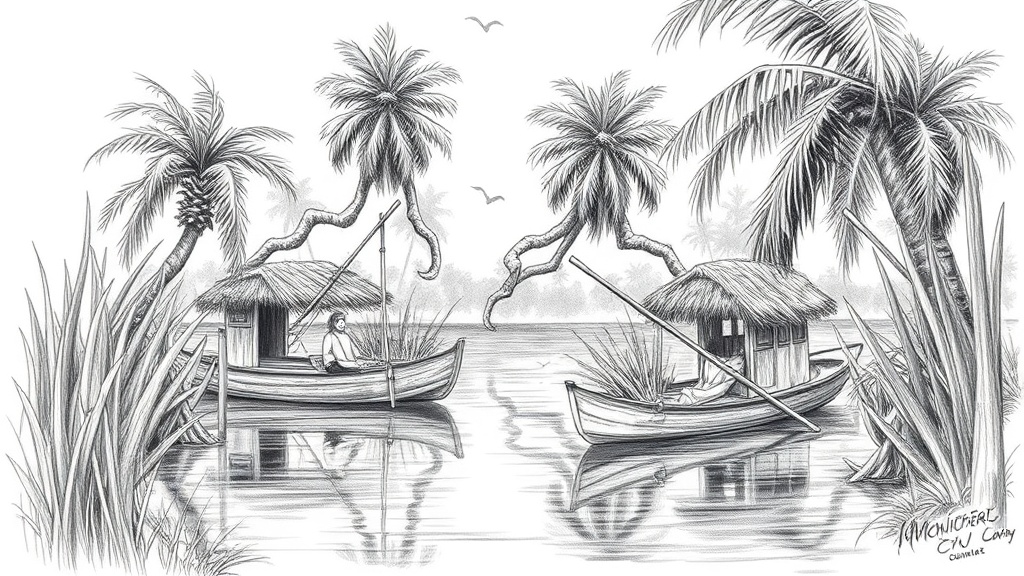
Human life along the bayou evolved alongside these ecosystems. Cajun and Creole communities built traditions around the ebb and flow of water—fishing, trapping, and rice farming shaped seasonal routines. Food is central: gumbo, jambalaya, blackened fish, crawfish boils, and saucy étouffée all reflect a bounty of local ingredients and a long history of cultural blending.
Music and storytelling keep traditions alive. Fiddle, accordion, and call-and-response singing often frame communal gatherings where recipes and techniques are passed down across generations. Visitors can learn from locals who are proud to share language, lore, and a deep connection to place.
Visiting the bayou: practical tips
– Choose eco-aware tours: Support guides who follow wildlife-safe practices and shore up local conservation efforts.
– Bring the right gear: Bug repellent, waterproof footwear, a rain jacket, and a resilient camera will make wildlife viewing comfortable.
– Move quietly: Silence increases chances of spotting shy animals; turn off ringtones and avoid sudden movements.
– Respect private land: Much bayou shoreline is family-owned—ask before landing or walking on property.
– Don’t feed wildlife: Feeding disrupts natural behaviors and can harm animals.
Outdoor activities range from serene kayaking through narrow sloughs to guided swamp tours that explain ecology and history. Fishing and birding are perennial favorites; seasonal patterns affect what’s most abundant, so check with local guides for tips and regulations.
Conservation and resilience
Bayou health is tied to broader environmental challenges. Wetland loss, coastal erosion, and water pollution threaten habitats and the livelihoods that depend on them.
Community-driven restoration, controlled freshwater reintroduction, and living shoreline projects can help rebuild resilience. Choosing sustainable seafood, supporting restoration organizations, and patronizing local businesses are practical ways to help.
Photography and storytelling
Photographers find dramatic light filtering through cypress canopies, reflections that mirror the sky, and close-up portraits of textured bark and feathered hunters. Storytellers capture the human side—recipes, songs, and memories that reveal how people adapt to life on the water.
The bayou asks for patience and curiosity. Those who come with respect leave with more than photographs: they carry a sense of the slow, intricate patterns that sustain both nature and culture along these waterways.