
 Emma Jantzen
 Bayou Life: A Visitor’s Guide to Wildlife, Cajun Food & Culture
Bayou life blends a slow, secretive ecology with a vibrant cultural pulse. From cypress knees rising like cathedral pillars to the rhythmic thump of zydeco drifting out of a roadside dancehall, bayous are living systems where wildlife, foodways, and human history meet in a humid, verdant landscape.
Ecosystems and wildlife
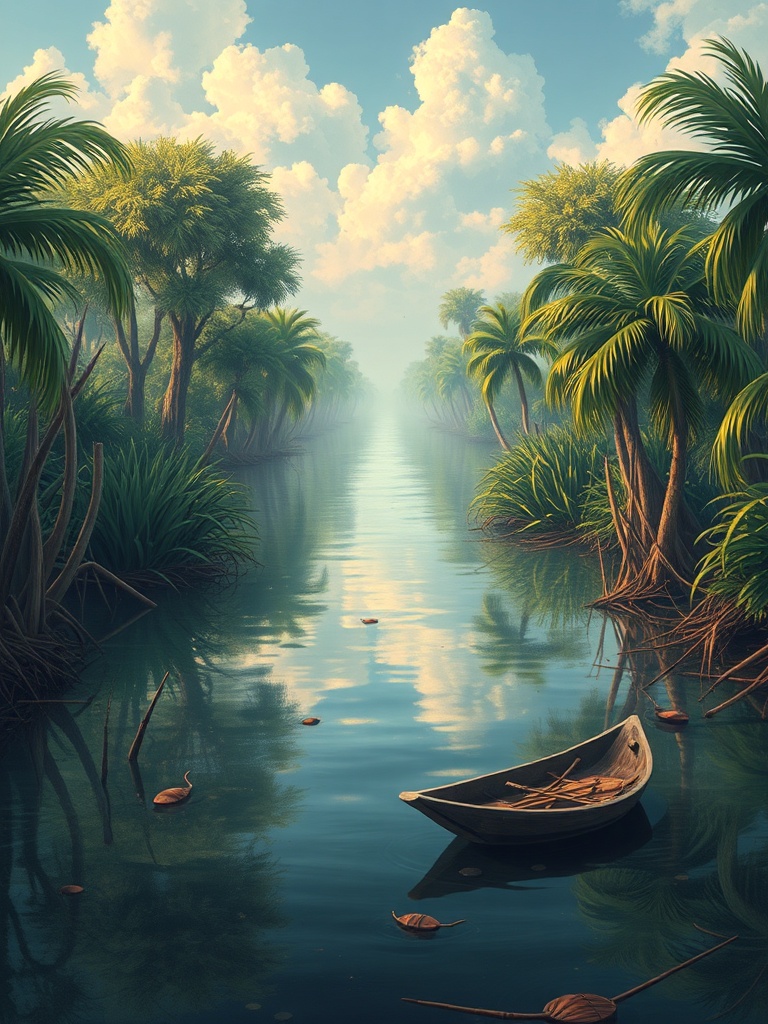
Bayous are freshwater or brackish waterways lined with cypress, tupelo, and marsh grasses. They act as natural sponges, absorbing floodwaters, filtering runoff, and providing nursery habitat for fish and crustaceans. Expect to spot wading birds—herons, egrets, ibises—along with turtles basking on fallen logs and alligators basking near slow-moving channels. Migratory songbirds pass through seasonally, and many amphibians call the shallow margins home. The mix of open water, submerged vegetation, and shaded canopy creates high biodiversity packed into a small footprint.
Cultural rhythms
Human life on the bayou revolves around the water: fishing, shrimping, trapping, and harvesting crawfish remain central livelihoods. Cajun and Creole traditions shape music, language, and food. Kitchens often center around communal pots for gumbo and crawfish boils, where spice, technique, and local seafood tell a story of place.
Music—accordions and washboards—keeps feet moving at dance halls, while storytelling preserves family histories and fishing lore.
Food and flavors
Seafood is the hallmark of bayou tables. Crawfish boils are social events: spices, corn, potatoes, and mountains of crustaceans cooked over open heat and served on newspaper-lined tables. Gumbo and jambalaya showcase a layering of roux, stock, okra or filé, and proteins that can include shrimp, crab, sausage, or game. Simple shoreline stands and family-run restaurants often serve the freshest catches, emphasizing seasonality and southern spices.
Responsible ways to experience the bayou
– Choose guided eco-tours led by local naturalists to learn about plants, wildlife, and history while reducing disturbance.
– Paddle a canoe or kayak early in the morning or late afternoon for quieter wildlife viewing and softer light for photos.
– Follow catch limits and size regulations for fishing; buy local seafood from licensed sellers to support sustainable harvests.
– Minimize noise and pack out all trash—plastic and fishing line are hazards for wildlife.
– Wear insect repellent, lightweight long sleeves, and water-ready footwear; be prepared for changing weather and muddy shorelines.
Threats and stewardship
Bayous face pressures from development, pollution, and changing water regimes. Sediment loss and saltwater intrusion can alter plant communities and harm fisheries.
Local conservation groups, fisheries managers, and volunteers often collaborate on habitat restoration, shoreline stabilization, and educational outreach. Supporting these efforts—through donations, volunteer time, or choosing sustainable seafood—helps preserve both the ecology and way of life.
Practical tips for visitors
– Learn basic safety around alligators: keep distance, never feed wildlife, and supervise children and pets near water.
– Bring binoculars and a field guide for birds; a waterproof camera can capture reflections and wildlife behavior.
– Respect private property and traditions; many cultural events are community-centered and thrive when visitors are courteous and curious.
Bayou life is a study in balance: resilient ecosystems and resilient people adapting to water’s ebb and flow. Experiencing it with respect deepens appreciation for the food, music, and natural beauty that define this unique, water-sculpted landscape.