
 Emma Jantzen
Bayou Life: A Visitor’s Guide to Wildlife, Culture, and Conservation
Bayou life blends water, wildlife, and a deep cultural rhythm that feels both slow and alive.
Winding waterways, cypress knees rising like sentinels, and the hush broken by frogs and herons create a landscape that’s part backyard, part sanctuary. For residents and visitors alike, the bayou offers practical rewards—fishing, foraging, and simple solace—as well as responsibilities tied to conservation and respectful use.
Everyday rhythms
Mornings on the bayou often begin with mist lifting off the water and the first chorus of birds. Boat motors and paddles are the primary means of getting around; narrow skiffs and flat-bottom jon boats are common because they glide through shallow channels. People here time their fishing and crabbing outings around tides and weather, learning local patterns that determine where catfish, redfish, and crawfish feed. Even daily chores—checking traps, tending nets, or gathering shells—reflect a close relationship with seasonal cycles and water levels.
Wildlife and habitat
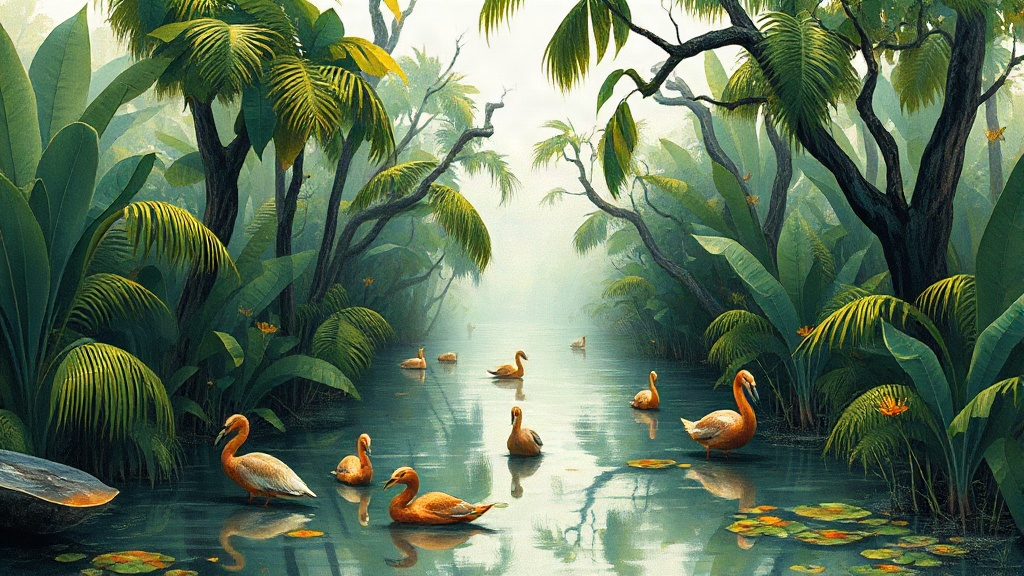
Bayous support a surprising range of life. Wading birds like egrets and herons hunt in shallow water while ducks and coots use sheltered marshes for nesting. Alligators and turtles are part of the natural order; when boating, keep a respectful distance and never feed wildlife. Aquatic plants and reeds stabilize banks, filter water, and create nursery habitat for juvenile fish and invertebrates.
Wetlands serve important ecological functions: they buffer storm surge, store freshwater, and help filter nutrients. That makes them essential not only for local biodiversity but also for nearby communities that depend on healthy marshes for flood protection and seafood production.
Cultural threads
Bayou life is inseparable from a rich cultural tapestry. Music—accordion, fiddle, and rhythmic percussion—fills gatherings where dance and storytelling link past and present. Cuisine reflects local abundance: stews, grills, and one-pot boils highlight shrimp, crab, and crawfish alongside rice, okra, and bold spices. Many recipes are family heirlooms passed down through generations, offering a deep sense of identity and hospitality.
Tips for visiting or living on the bayou
– Respect private property and local customs. Many access points are shared community resources; ask before entering private land.
– Practice safe boating. Wear life jackets, maintain slow speeds in narrow channels, and watch for submerged hazards like fallen cypress.
– Protect yourself from insects with layered clothing, repellents, and window screens. Mosquitoes are part of the ecosystem—reduce exposure rather than trying to eliminate them entirely.
– Follow harvest regulations. Licenses and seasonal rules exist to keep populations healthy and fisheries sustainable.
– Leave no trace. Pack out trash, avoid disturbing nests, and never release non-native pets into the wild.
Conservation and stewardship
Sustainable bayou living means balancing human use with habitat protection.
Simple actions make a difference: reducing chemical runoff from lawns and farms, planting native vegetation along shorelines to prevent erosion, participating in local marsh restoration projects, and choosing seafood from responsibly managed sources. Community-driven programs—volunteer cleanups, oyster reef restoration, and educational outreach—help keep waterways resilient.
For anyone drawn to the bayou, the appeal is clear: it’s a place where everyday tasks are woven into a larger natural tapestry and where culture grows directly from the land and water. Whether you’re casting a line at sunrise, sharing a meal with neighbors, or joining a habitat restoration effort, bayou life rewards curiosity, patience, and respect for a fragile, essential landscape.
0 Comment