
 Emma Jantzen
 Bayou Life: A Visitor’s Guide to Wildlife, Culture, and Responsible Ecotourism
Bayou Life: Slow Water, Rich Culture, and Wild Edges
The bayou is where slow-moving water meets a way of life shaped by swamps, cypress knees, and a steady rhythm of birdsong. Its unique blend of ecology and culture creates a living landscape—home to mottled sunlight, drifting Spanish moss, and human traditions that have adapted to water rather than trying to control it.
Wildlife and plants
Bayous support a surprising diversity. Bald cypress and water tupelo form the backbone of swamp forests, while marsh grasses and cattails buffer shorelines. Look for herons, egrets, and roseate spoonbills stalking shallow water; owls and prothonotary warblers nest in flooded trees. Beneath the surface, catfish, largemouth bass, and sunfish thrive alongside turtles and freshwater mussels.
Alligators patrol quiet channels, and snakes—including water moccasins—favor thick cover. Observing with respect keeps both visitors and wildlife safe.
Cultural rhythms
Human life on the bayou grew from a mix of Indigenous knowledge, French, Spanish, African, and Caribbean influences. That heritage shows up in food, music, and storytelling. Gumbo, jambalaya, and seafood boils reflect a cuisine built on what the land and water provide. Zydeco and Cajun music—accordion-driven, dance-oriented, and deeply social—can be heard in community halls and dockside gatherings.
Oral histories and family recipes pass traditional ways of living with seasonal floods and inland tides from one generation to the next.
Recreation and local economies
Fishing, shrimping, crabbing, and ecotourism sustain many bayou communities. Kayaking and small-boat paddling offer intimate access to narrow channels and hidden coves.
Photography and birdwatching yield rich rewards for anyone willing to move slowly and listen. Swamp tours introduce visitors to the landscape, but choosing small, locally owned operators helps keep income circulating in the community and minimizes environmental impact.
Responsible visits and safety tips
– Respect wildlife: view animals from a distance, never feed wild animals, and follow local guidelines for interactions.
– Water safety: wear life jackets, check local weather and tides, and avoid paddling alone after dark.
– Insect protection: apply insect repellent and wear long sleeves during dawn and dusk.
– Leave no trace: pack out trash, avoid trampling sensitive vegetation, and follow posted rules for shore access.
– Follow fishing regulations: know size and bag limits, and practice catch-and-release when appropriate.
Conservation priorities
Wetland loss from development, channelization, and changing water regimes threatens the bayou’s resilience. Restoration efforts focus on reestablishing natural flow, rebuilding marshes, and protecting riparian buffers. Community-driven conservation pairs traditional ecological knowledge with modern science, resulting in projects that restore habitat while supporting local livelihoods.
Why bayou life matters
Bayous are ecological powerhouses that provide flood mitigation, water filtration, and critical nursery habitat for fish and birds. They are also cultural reservoirs where language, foodways, and music are inseparable from the environment. Experiencing a bayou—whether through a quiet paddle, a shared meal, or a neighborly dance—offers a reminder of how people and ecosystems can thrive together when care and curiosity guide behavior.
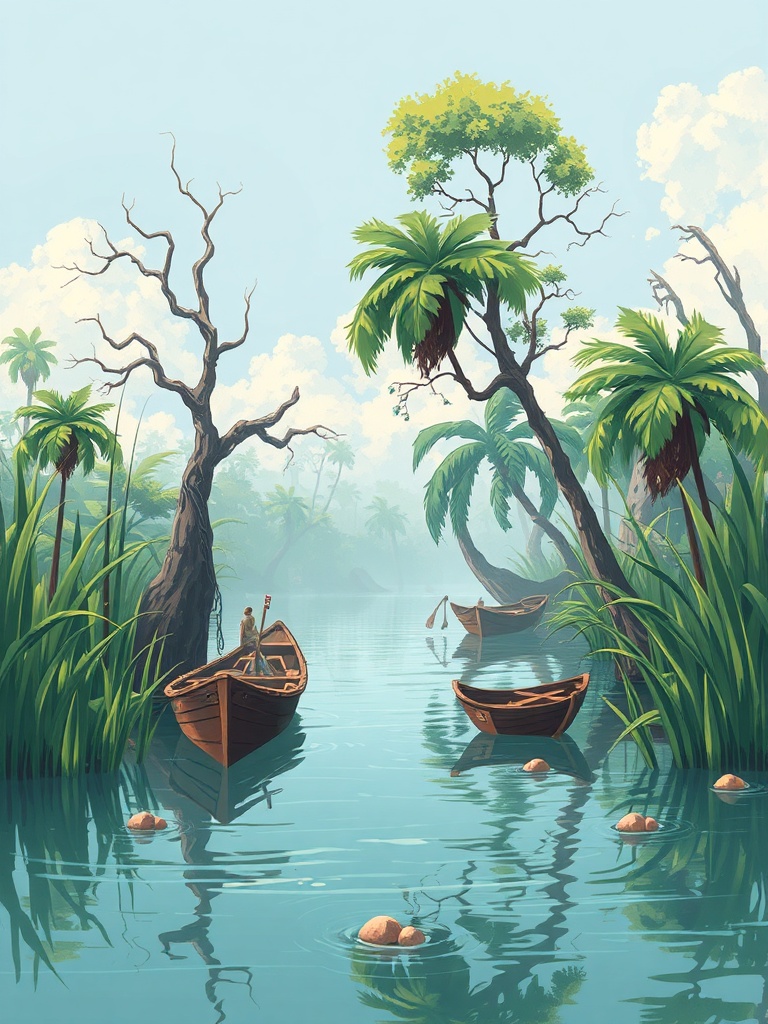
If you plan to visit, seek out local guides, sample regional dishes, and bring patience; the bayou rewards those who move at water’s pace. Respect, preparation, and an eagerness to learn make any bayou encounter richer and more sustainable.