
 Emma Jantzen
 Bayou Life: Your Guide to Wildlife, Food, Music, and Responsible Travel
Bayou life draws people into a world where water shapes everything—land, livelihood, food, and folklore. The slow-moving backwaters and cypress-lined channels are ecosystems and communities intertwined, offering a sensory-rich experience: the call of a heron at dawn, the cinnamon scent of wet earth, and the steady thrum of an outboard as skiffs thread narrow waterways.
What makes the bayou unique
Bayous are coastal wetlands where freshwater meets brackish estuaries, producing a mosaic of swamps, marshes, and tidal flats. Ancient bald cypress trees stand with their characteristic knees poking from the water, draped in Spanish moss. Salt-tolerant marsh grasses and oyster beds stabilize shorelines while filtering water. Those natural functions deliver essential benefits—storm buffering, water purification, and habitat for commercially important species.
Wildlife you’ll encounter
Bayou waterways host a remarkable range of wildlife. Wading birds like egrets, herons, and roseate spoonbills hunt shallow edges, while raptors scan from cypress crowns. Beneath the surface, blue crabs, shrimp, and fish like redfish and speckled trout support local fisheries. American alligators and turtles sun on logs; frogs and cicadas fill the night with sound. Some species are native icons, others are invasive and can disrupt marsh balance—understanding who belongs where helps guide conservation choices.
Cultural heartbeat
Bayou communities blend Indigenous, French, African, and Spanish influences into a distinct cultural fabric. Food is central: gumbo, jambalaya, crawfish boils, and fried oysters showcase seafood harvested from the same waters that sustain daily life. Music—zydeco, Cajun accordion, and blues—echoes across porches and dance halls, while local festivals celebrate harvests, heritage, and river lore. Hospitality and a deep connection to place make bayou towns warm entry points for visitors eager to learn local ways.
How to experience bayou life responsibly
– Choose guided tours led by local naturalists or captains who prioritize habitat protection and cultural respect.
– Practice wildlife safety: never feed alligators, keep a safe distance from nests, and secure trash to avoid attracting animals.
– Support restaurants and markets that source seafood sustainably and transparently.
– Wear sun protection and insect repellent, bring life jackets when boating, and be mindful of changing water levels and tides.
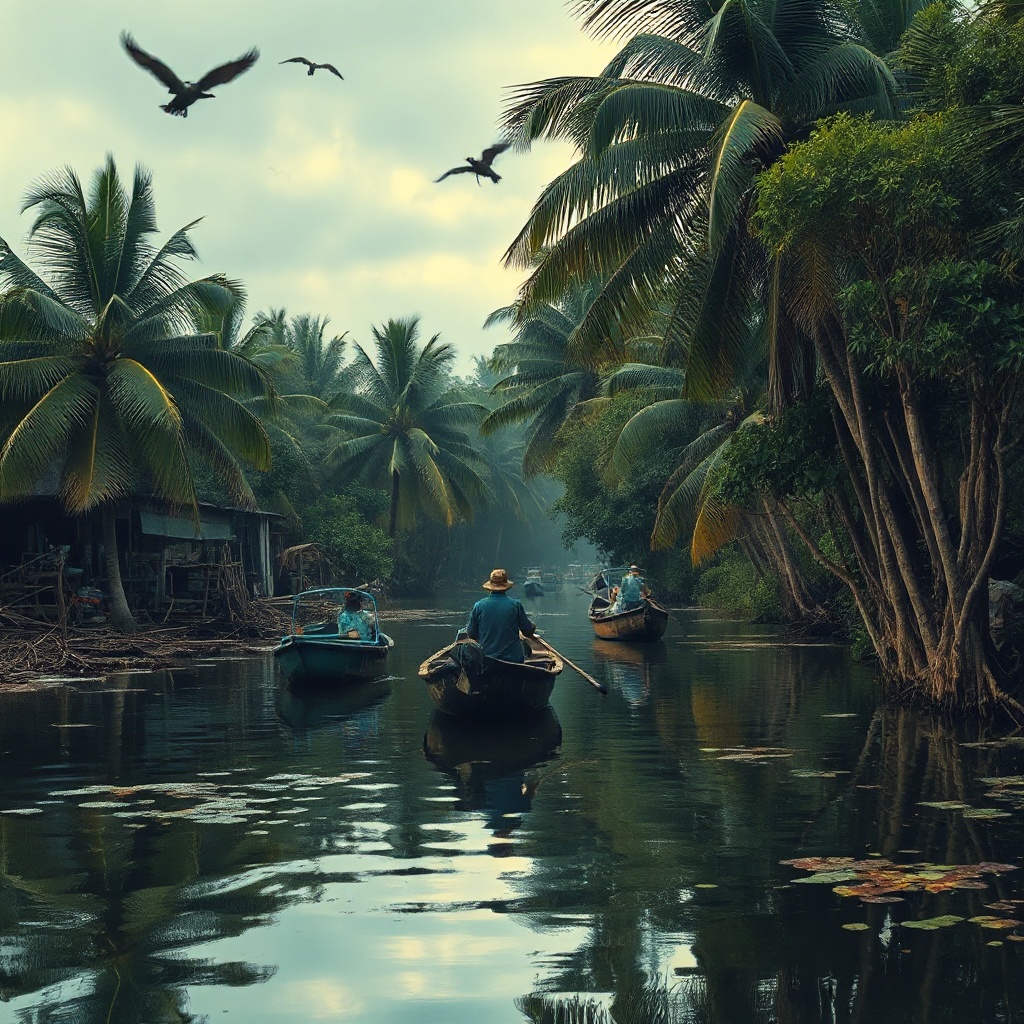
– Respect private property and local customs—many waterways pass by private homesteads and working docks.
Conservation realities and how to help
Bayous face pressures from development, pollution, altered sediment flows, coastal erosion, and changing climate patterns that affect water salinity and sea levels. Restoration efforts—marsh creation, living shorelines, oyster reef rehabilitation, and strategic sediment diversions—help rebuild resilience. Individuals can contribute by supporting local conservation groups, choosing sustainable seafood, reducing runoff from lawns and streets, and participating in community cleanups and citizen science monitoring.
The appeal of the bayou is both immediate and enduring: a place where the rhythm of water dictates the daily pace, where food and music are woven with the land, and where small actions can make a big difference to fragile coastal systems. For anyone seeking nature, culture, or a slower pace of life, the bayou offers an immersive experience that rewards curiosity and respect.