
 Emma Jantzen
 Safe, Sustainable Tips for Shrimp, Oysters, Snapper & More
Gulf seafood combines bold coastal flavor with deep cultural roots, delivering shrimp, oysters, snapper, grouper and more to plates across the country.
Whether you’re buying at a fishmonger, ordering at a restaurant, or cooking at home, knowing how to choose, store and prepare Gulf catches will lift both flavor and food-safety confidence.
What to look for at market
– Freshness first: look for bright, clear eyes on whole fish and firm, springy flesh that bounces back when pressed. Shrimp should smell briny, not fishy. Oysters and clams should be tightly closed or close when tapped.
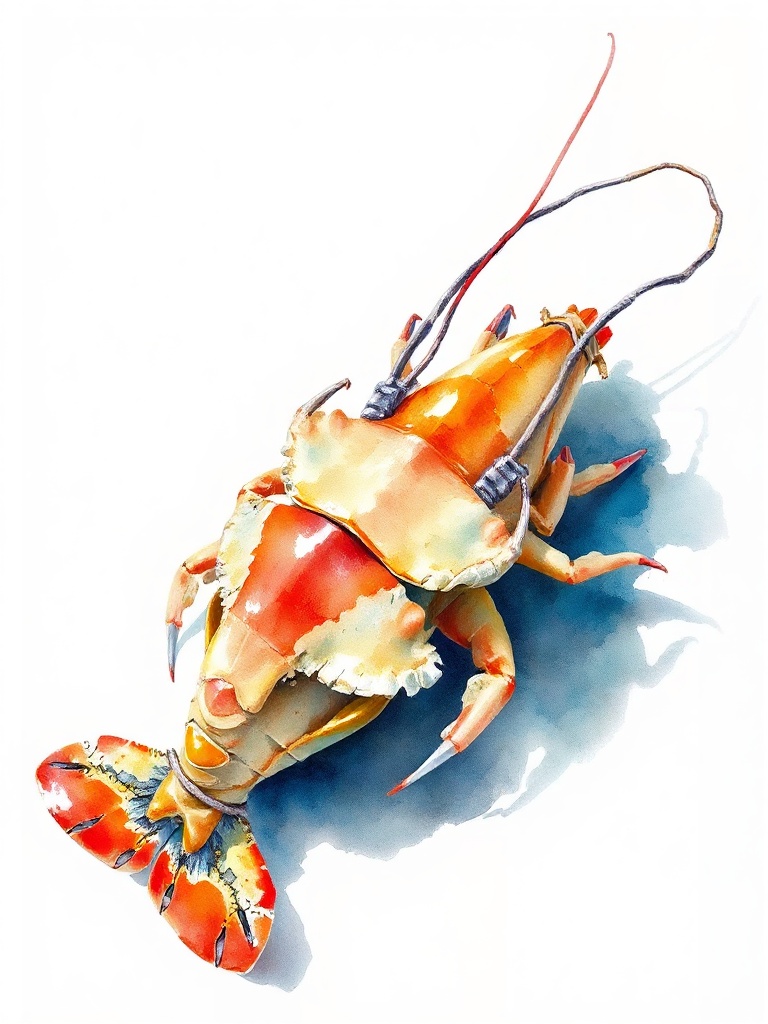
– Know your species: Gulf shrimp (commonly white and brown) offer a sweet, firm texture ideal for grilling or gumbo.
Red snapper and grouper deliver mild, meaty fillets for roasting or blackening. Oysters from the Gulf tend toward a briny, buttery profile that shines raw or charred.
– Traceability matters: ask where and how the seafood was caught. Labels like regional traceability programs and third‑party certifications help verify origin and sustainable practices.
Safety and environmental notes
Harmful algal blooms such as red tide can contaminate shellfish with toxins. Before harvesting or buying shellfish harvested locally, check public health advisories from fisheries or state shellfish programs. Some larger predatory fish—like king mackerel, tilefish, shark and swordfish—can carry higher mercury levels; pregnant people and young children should follow guidance about limiting those species, and anyone concerned should consult their healthcare provider.
Sustainability and fishing practices
Sustainable Gulf fisheries depend on responsible gear and management. Look for suppliers that use bycatch reduction devices, selective gear, and adhere to regional catch limits.
Small-scale, line-caught or reef-friendly methods often reduce habitat impact and bycatch. Supporting fishers who practice careful harvesting helps coastal economies and long-term availability.
Storage and handling tips
– Keep chilled: store seafood on ice or in the coldest part of your refrigerator and use within one to two days for best quality. If you won’t cook it within that window, freeze immediately to preserve flavor and texture.
– Thaw safely: move frozen seafood to the refrigerator overnight or thaw under cold running water; avoid leaving at room temperature.
– When in doubt, cook: firm‑cooked seafood reaches a flaky, opaque texture and an internal temperature recommended by food-safety authorities for high-risk populations.
Simple cooking ideas
– Shrimp: quick-saute with garlic, lemon and butter or toss into a spicy jambalaya or shrimp and grits.
– Oysters: serve raw on the half shell with a mignonette, or grill briefly with a drop of compound butter.
– Snapper/grouper: roast whole with citrus and herbs, or blacken fillets for a crisp, smoky crust.
– Whole fish: stuff with aromatics and roast on a bed of coarse salt to preserve moisture and flavor.
Buying Gulf seafood supports vibrant culinary traditions and coastal communities when done thoughtfully. Pair smart shopping—traceable sourcing, awareness of advisories and sustainable choices—with simple storage and good cooking techniques to make the most of the Gulf’s rich seafood offerings.