
 Emma Jantzen
 Bayou Travel Guide: Wildlife, Foodways, Activities, and Responsible Visiting Tips
Bayou life blends water, wildlife, and a slow, steady human rhythm that’s equal parts survival and celebration. From dawn mist drifting over cypress knees to evenings filled with the crackle of a propane burner and the scent of spices, the bayou is an ecosystem and a culture shaped by water.
Whether you visit for fishing, food, or quiet observation, understanding bayou rhythms deepens the experience and helps protect this fragile landscape.
A living mosaic
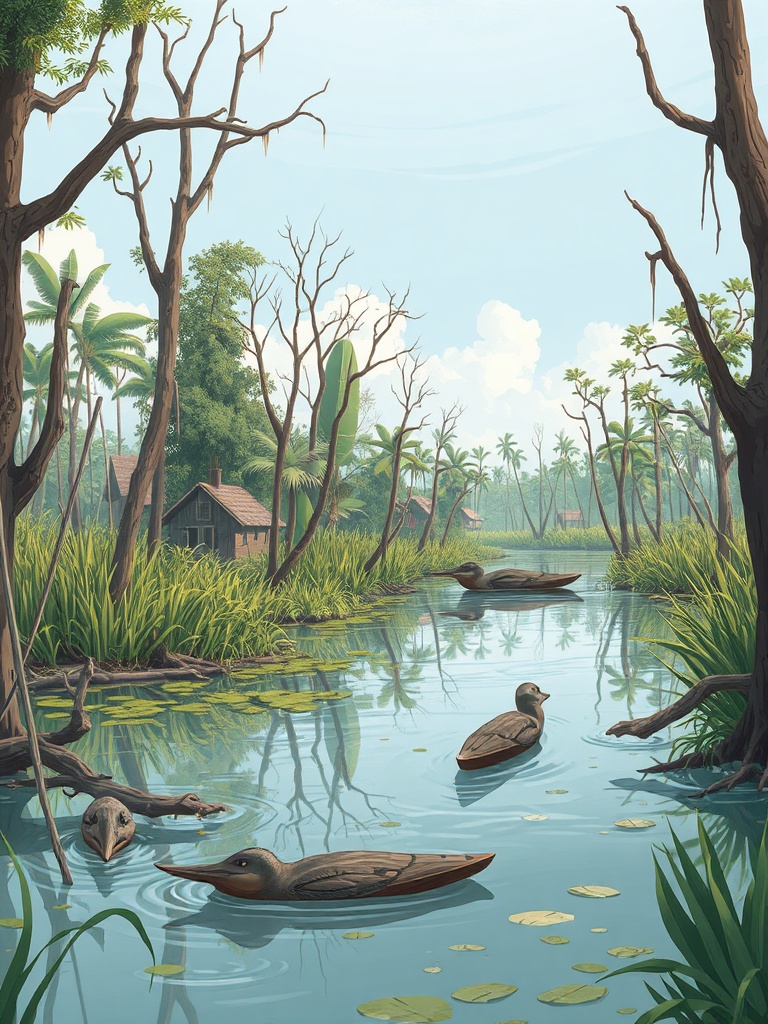
The bayou’s network of marshes, swamps, and slow-moving waterways supports a remarkable range of wildlife.
Herons and egrets stalk shallows, otters slip through reeds, and turtles sun on fallen logs.
Beneath the surface, fish species like bass and catfish thrive among submerged vegetation, while freshwater mussels and crustaceans play key roles in nutrient cycling. Vegetation such as mangroves or cypress acts as natural flood control and carbon storage, making the bayou essential to regional resilience.
Human traditions and foodways
Bayou communities have developed distinct food traditions that rely on the land and water. Crawfish boils, gumbo, and smoked fish are rooted in local resources and communal cooking methods. Small-scale fishing and trapping remain important for household foodways, while markets and roadside stands offer seasonal catches and produce. Music and storytelling are woven into daily life—songs, accents, and gatherings reflect a deep connection to place.
How to enjoy the bayou responsibly
Visitors should approach the bayou with respect for both nature and local culture.
Here are practical tips for a responsible visit:
– Travel slowly: Slow boat or kayak travel minimizes wake and protects shorelines and nests.
– Pack essentials: insect repellent, sun protection, waterproof footwear, and drinking water.
– Observe, don’t disturb: Keep distance from nesting birds, alligators, and mammals; avoid feeding wildlife.
– Leave no trace: Take out what you bring in, and dispose of bait and fishing line properly.
– Support local businesses: Eat at local eateries, buy from markets, and hire local guides to boost the community economy.
Outdoor activities
Kayaking and canoeing are peaceful ways to explore winding channels and reach quieter coves.
Guided boat tours offer interpretive learning about ecology and history, while night tours reveal a different side of bayou life—chirps, croaks, and stars reflected in glassy water. Fishing and crabbing can be rewarding; check local regulations and licensing requirements before you go. Birdwatchers will find plentiful opportunities as migratory and resident birds use the bayou as feeding and nesting grounds.
Conservation and resilience
The bayou faces pressures from development, pollution, and changing water regimes.
Local and regional conservation efforts focus on habitat restoration, sustainable fisheries, and community-led stewardship. Volunteer marsh plantings, water monitoring, and advocacy for responsible development all contribute to healthier waterways.
Supporting conservation-focused organizations and responsible tourism helps maintain the ecological and cultural fabric of the bayou for future generations.
Why it matters
Bayou life is a reminder that humans and nature are deeply interdependent. The landscape provides food, cultural identity, and environmental services that protect inland communities. Experiencing the bayou—whether through a short visit or deeper engagement—offers insight into resilience, the importance of stewardship, and the quiet rewards of slowing down to listen to water and wind.
Plan ahead, travel mindfully, and let the rhythm of the bayou shape your visit—its sights, sounds, and tastes will linger long after you leave the shoreline.