
 Emma Jantzen
 Bourbon Trail Road Trip Guide: Plan Your Distillery Itinerary, Safety & Tasting Tips
The Bourbon Trail remains one of the most rewarding road-trip experiences for spirits lovers and curious travelers. Whether you’re chasing historic distilleries, boutique craft producers, or world-class cocktail bars, careful planning and a few insider tips will make the journey smoother and more enjoyable.
Plan your route and book ahead
Distillery tours vary from short tastings to immersive behind-the-scenes experiences. Many popular operations limit tour size and require reservations, so reserve spots well before you go. Group tours, private tastings, and special events can fill up quickly on weekends and during holiday periods.
Map out a realistic daily itinerary—fewer stops with deeper experiences beats a frantic checklist.
Transportation and safety
Driving yourself offers flexibility but remember that tastings add up quickly. Arrange a designated driver, use sober-driver services, or book a guided tour that includes transportation. Ride-share and local shuttle options can work in urban hubs, but rural distilleries may have limited service. Prioritize safety and respect local laws and policies.
What to expect at distilleries
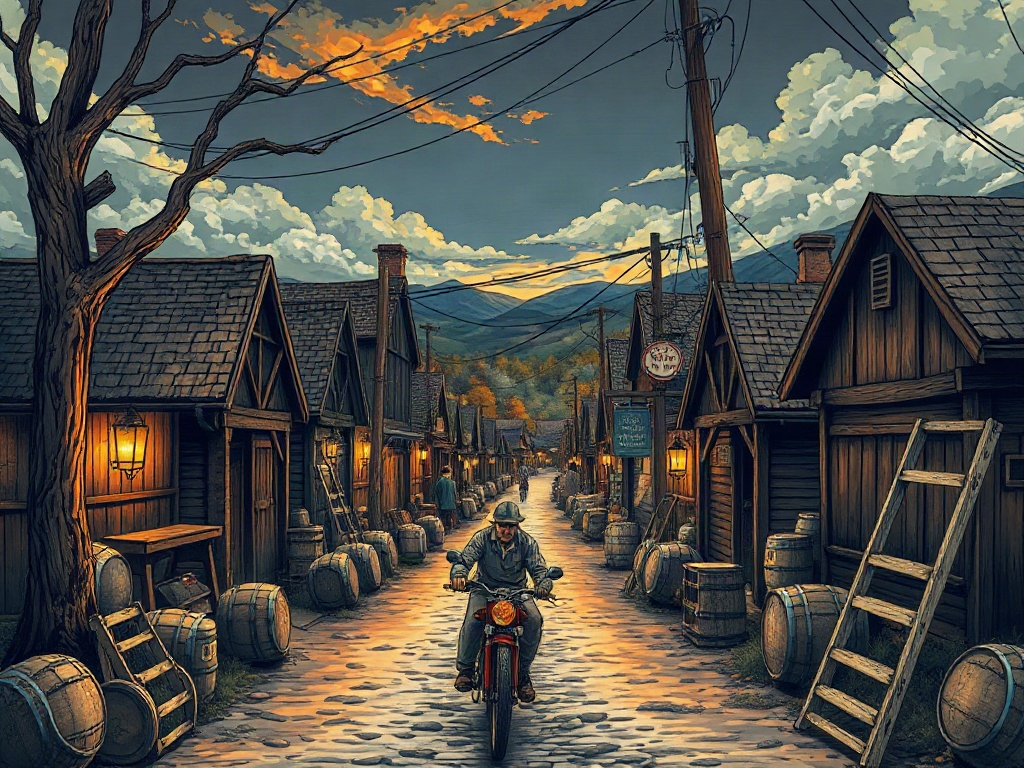
Standard tours cover mash bills, fermentation, distillation, barreling, and aging. Highlights often include a walk through the rickhouses to see charred barrels stacked for aging, a look at cooperage or barrel-making demonstrations, and an up-close view of bottling lines at larger facilities.
Staff-led tastings teach you how to nose and sip, describe flavor profiles, and explain label claims like “single barrel” or “small batch.”
Tasting etiquette and tips
– Bring a valid ID and be prepared for age verification.
– Smell before you sip: take a gentle nose, then small sips to identify vanilla, caramel, oak, spice, and fruit notes.
– Add a few drops of water if a high-proof pour feels overpowering; water can open aromatic compounds.
– Use palate cleansers like water and neutral crackers between tastings to reset your senses.
– Take notes—many distilleries offer tasting sheets, or use your phone to record favorites and bottle details.
Must-see experiences
Include a mix of big-name distilleries for their historical and production scale, plus craft distilleries for innovation and limited releases.
Urban craft distilleries often offer cocktail bars and chef-driven small plates, while rural sites provide picturesque grounds and deeper immersion into aging processes. Museums and visitor centers can add context about regional history and the evolution of bourbon production.
Shopping and souvenirs
Distillery shops often have exclusive bottlings, branded glassware, mash t-shirts, and cooperage tools. Limited releases and single-barrel picks are popular mementos—consider shipping options if you’re traveling and want to avoid extra weight.
Many distilleries offer membership clubs with early access to special releases and members-only bottlings.
Sustainability and local food
Many producers are adopting sustainability practices—grain recycling, water conservation, and renewable energy. Pair tastings with local cuisine at nearby restaurants that showcase regional ingredients and bourbon-forward dishes. Farm-to-table spots, barbecue, and Southern comfort food complement the Trail’s flavors.
Final practical notes
Wear comfortable shoes and layered clothing—warehouse tours can be warm and dusty. Check photography policies; some production areas may restrict cameras. Keep cash for small purchases at rural stops, although most places accept cards.
With a thoughtful plan, respect for tasting limits, and an openness to both history and innovation, the Bourbon Trail offers a memorable journey through craft, legacy, and flavor.
0 Comment