
 Emma Jantzen
Cajun Cooking at Home: Master Roux, the Holy Trinity & Classic Dishes
Cajun cooking is a spirited, ingredient-driven cuisine that turns humble staples into deeply flavored, comforting dishes. Rooted in resourcefulness, it emphasizes bold seasoning, long-simmered braises, and techniques that coax maximum flavor from limited ingredients.
For cooks looking to bring genuine Cajun flavor home, understanding core elements and practical techniques makes a big difference.
Foundations: the holy trinity and roux
At the heart of most Cajun dishes is the “holy trinity”—onion, celery, and green bell pepper—used as the aromatic base for stews, gumbos, and étouffées. Another cornerstone is the roux, a cooked mixture of fat and flour that thickens sauces and provides a toasty, nutty backbone. A light roux thickens without much color; a dark roux develops deep, smoky notes but has less thickening power.
For best results, cook roux slowly over medium-low heat and stir constantly to prevent burning. Use a heavy-bottomed pan and choose oil or clarified butter with a high smoke point for darker rouxes.
Signature techniques and dishes
– Gumbo: A celebratory one-pot meal that blends meats or seafood with stocks, roux, and a melody of spices. Okra or filé powder (ground sassafras leaves) are used as thickeners and flavor enhancers.
– Jambalaya: A rice-forward dish cooked like a pilaf, absorbing stock and seasoning along with proteins such as chicken, sausage, or shrimp.
– Étouffée: Seafood, often shrimp, is smothered in a flavorful roux-based sauce and served over rice—rich, silky, and comforting.
– Blackened: Protein is coated with bold spice rub and seared in a very hot skillet, creating a charred crust packed with flavor.
– Smothered meats and vegetables: Slow-cooked in their own juices with aromatics and stock until tender.
Key ingredients and pantry essentials
Stock—homemade or high-quality store-bought—forms the backbone of many dishes.
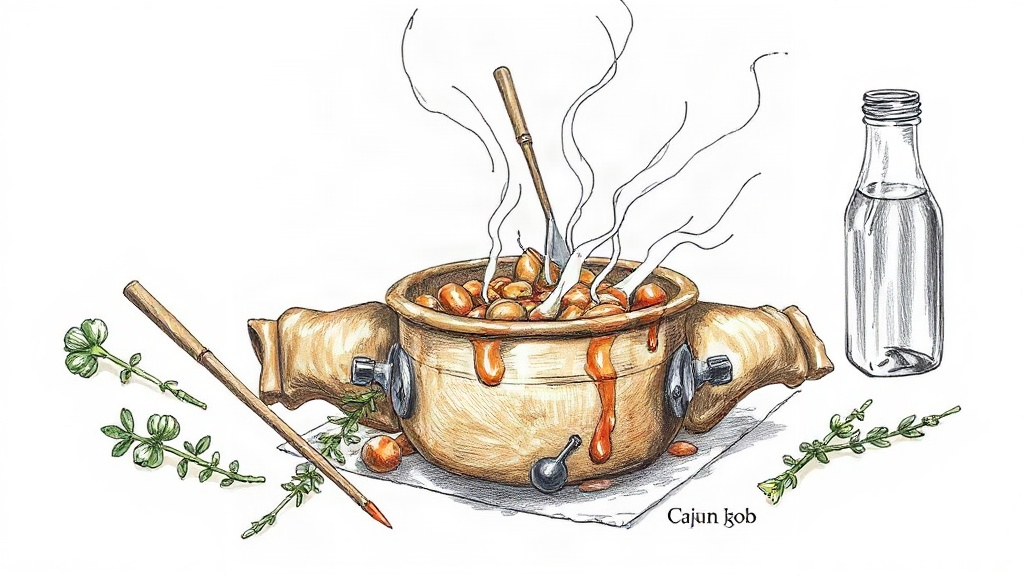
Andouille sausage, tasso, shrimp, crawfish, okra, tomatoes, filé powder, smoked paprika, cayenne, garlic, and bay leaves should be pantry mainstays. Long-grain rice is the classic rice choice for jambalaya and étouffée; short-grain rice may clump and change texture.
Seasoning wisdom
Cajun seasoning balances salt, black pepper, cayenne, garlic powder, onion powder, and herbs like oregano and thyme.
Season gradually and taste as you go; spicy heat can be adjusted with cayenne or hot sauce at the end of cooking. Remember that long-simmered stews mellow and concentrate seasoning—adjust toward the finish.
Practical tips for home cooks
– Build flavor in layers: brown proteins, sweat the holy trinity, deglaze the pan, then add stock and simmer.
– Mind the roux: it can shift from perfect to burnt quickly—constant stirring and a patient hand are crucial.
– Use a cast-iron or heavy stainless pan for even heat and better fond development.
– If you want the smoky profile without a dark roux, add smoked sausage or a splash of liquid smoke sparingly.
– Make extra stock and freeze portions for quick weeknight meals.
Pairings and serving
Cajun dishes pair well with simple sides—cornbread, coleslaw, or a crisp green salad—to balance richness.
A cold lager or a citrus-forward white wine complements seafood-based dishes; heartier red blends stand up to spicier, meat-heavy plates.
Cultural note and respect
Cajun cuisine evolves through shared traditions and respect for ingredients. When adapting recipes, honor their roots by preserving technique and core flavors, even when making substitutions for dietary needs.
With a few pantry staples, patience at the stovetop, and attention to technique, you can bring authentic Cajun warmth and depth to everyday meals. The learning curve for roux and seasoning pays off with dishes that are both comforting and full of personality.
0 Comment