
 Emma Jantzen
 Cajun Cooking Made Simple: Master the Roux, Holy Trinity & Classic Dishes
Cajun Cooking: Bold Flavors, Simple Techniques
Cajun cooking is the comfort-food backbone of Louisiana’s bayou country: rustic, resourceful, and built on bold seasoning and slow-cooked depth. Rooted in a tradition of making the most of limited ingredients, Cajun food turns humble staples into intensely flavorful meals with a few core techniques and pantry essentials.
The building blocks: holy trinity and roux
Every Cajun kitchen starts with the holy trinity—onion, celery, and bell pepper—sautéed as the flavor base for stews, rice dishes, and sauces.
Equally essential is the roux: a cooked mixture of fat and flour that thickens and flavors soups and gumbos. Cook a roux low and slow for a nutty, dark color, stirring constantly to avoid burning; patience here rewards you with deeper flavor.
Key dishes to try
– Gumbo: A slow-simmered stew combining roux, stock, the holy trinity, and proteins like chicken, sausage, or shellfish.
Finish with file powder or hot sauce for extra depth and serve over steamed rice.
– Jambalaya: A one-pot rice dish where rice cooks with browned meats and aromatic seasonings; variations range from tomato-rich versions to darker rice dishes where proteins are caramelized first.
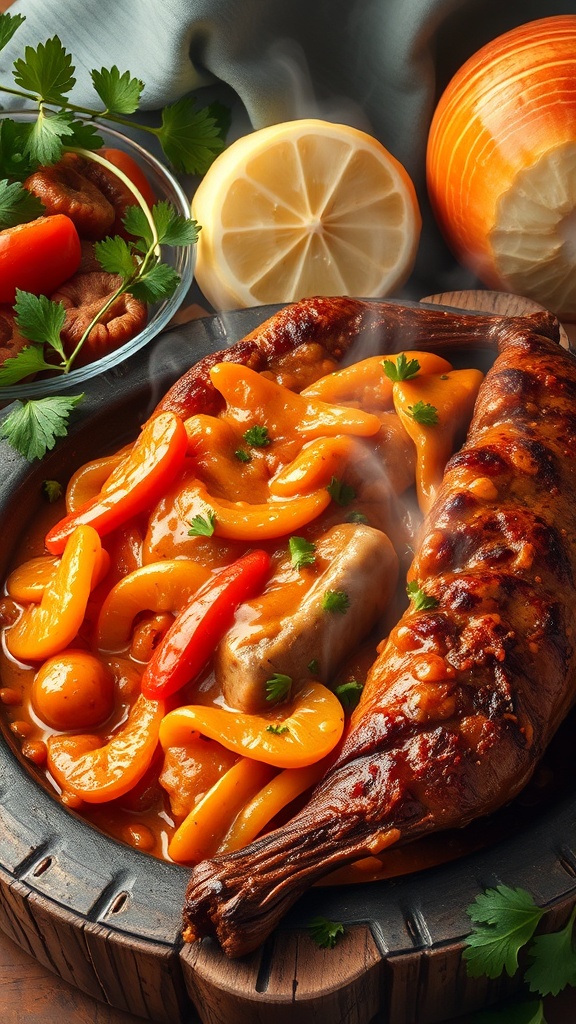
– Étouffée: Meaning “smothered,” this dish usually stars shellfish in a silky, roux-thickened sauce, spooned over rice for a luxurious bite.
– Sausages and rice creations: Boudin, andouille, and smoked sausages are foundations of Cajun flavor—smoky, seasoned, and versatile in gumbo, jambalaya, or simply grilled.
Spices, seasoning, and technique
Cajun seasoning is straightforward and adaptable. A balanced blend often includes paprika, cayenne, garlic and onion powders, dried thyme and oregano, salt, and black pepper.
Customize heat and salt to suit your palate. When blackening proteins, coat them in seasoning and cook in a very hot skillet until a charred crust forms—this technique creates intense flavor but requires good ventilation.
Practical tips for home cooks
– Start roux on medium-low heat and never rush it; a dark roux takes time but transforms the dish.
– Use homemade stock when possible—chicken or seafood stock lifts a gumbo beyond store-bought substitutes.
– Brown meats well before adding liquid in jambalaya to deepen flavor through caramelization.
– Taste and adjust: seasoning should build across cooking, so sample toward the end and tweak salt, acid (lemon or vinegar), and heat.
– Make-ahead friendly: Many Cajun dishes improve after resting; gumbo and étouffée often taste better the next day, and both freeze well.
Pairing and presentation
Serve most Cajun dishes over steamed long-grain rice, with crusty bread for sopping. For beverages, consider crisp whites or light-bodied reds, plus local lagers or wheat beers to balance spice. Garnish with chopped parsley or green onion for color and brightness.
Keeping it authentic while making it yours
Cajun cooking celebrates thrift and creativity—use what’s available, swap proteins, and adjust spice levels.
Start with the holy trinity and a good roux, build layers of flavor, and let simple ingredients shine.
Explore regional variations and make each recipe your own while honoring the hearty, soulful roots of Cajun cuisine.