
 Emma Jantzen
 Carolina Lowcountry Guide: Salt Marshes, Seafood, and Sustainable Coastal Living
Carolina Lowcountry: Salt Marshes, Seafood, and Sustainable Coastal Living
The Carolina Lowcountry is a unique coastal region known for its wide tidal marshes, oak-shaded streets, and a culture shaped by the sea.
From moss-draped live oaks to steaming plates of shrimp and grits, this landscape and its communities draw visitors and inspire conservation efforts. Understanding what makes the Lowcountry special helps visitors and residents protect its character while enjoying everything it offers.
Culture and Cuisine
Food is a cornerstone of Lowcountry identity. Seafood, rice-based traditions, and the influence of Gullah-Geechee heritage create a culinary scene that emphasizes freshness, simplicity, and local ingredients. Shrimp, oysters, and crab appear on menus alongside heirloom vegetables and benne seed desserts. Farmers’ markets and waterfront shacks are great places to taste the region’s flavors and connect directly with local fishers and growers practicing sustainable methods.
Salt Marshes and Wildlife
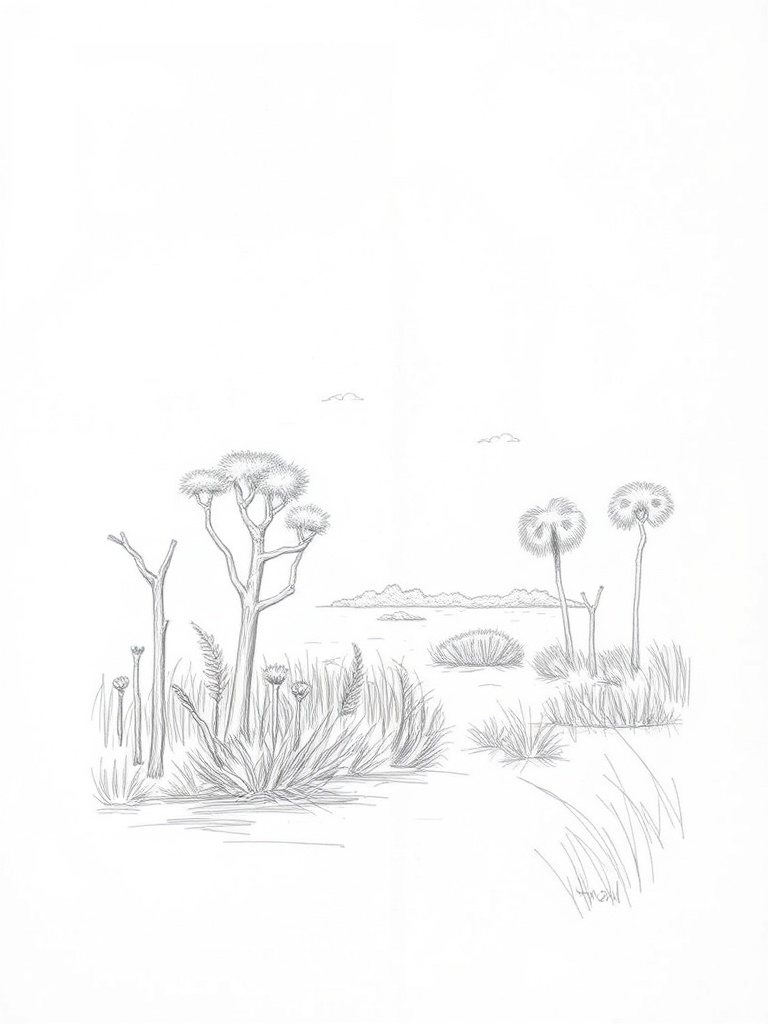
The expansive salt marshes are the backbone of the coastal ecosystem.
They act as nurseries for fish and shrimp, provide feeding grounds for migratory birds, and buffer inland areas from storms and tidal flooding.
Look for herons, egrets, osprey, and the playful pods of dolphins that frequent estuaries.
Barrier islands protect the mainland and host maritime forests and dune systems where native plants stabilize shorelines.
Conservation and Coastal Resilience
Development pressure and changing coastal conditions make conservation a priority in the Lowcountry. Efforts such as oyster reef restoration, living shoreline installations, and marsh grass plantings help rebuild natural defenses and improve water quality. Community groups, researchers, and local governments collaborate on projects that balance economic needs with ecological health. Responsible recreation—using designated trails, avoiding sensitive nesting areas, and supporting restored habitats—helps sustain the landscape that supports both wildlife and livelihoods.
Sustainable Travel Tips
Plan for low-impact experiences to enjoy the Lowcountry without contributing to wear and tear.
Opt for guided kayaking or paddleboard tours that follow best-practice routes, rent bikes to explore historic districts, and choose accommodations with green certifications. Support businesses that source seafood locally and transparently. Visit during shoulder seasons to avoid crowds and to see migratory bird populations at peak activity.
When on barrier islands or marsh edges, stay on marked paths and observe wildlife from a distance.
Historic Towns and Island Life
Charleston, Beaufort, and smaller sea islands showcase architecture, gardens, and traditions that reflect centuries of cultural exchange. Walking tours reveal historic districts, while boat trips access quieter islands and saltmarsh vistas. The Gullah-Geechee cultural legacy is particularly visible in language, crafts, storytelling, and foodways; seeking out cultural centers and respectful, community-led experiences provides deeper insight into the region’s roots.
How to Be a Responsible Visitor
Support conservation by choosing tour operators and restaurants committed to sustainability. Pack out what you bring in, respect posted signs around nesting or restoration areas, and ask before taking photos of private properties or community events. Donations to local land trusts and reef restoration initiatives go a long way toward maintaining the natural systems that make the Lowcountry resilient.
The Carolina Lowcountry blends natural beauty with living traditions. Enjoy its food, waterways, and architecture, but carry an ethic of stewardship—preserving the marshes, islands, and communities so they remain vibrant for generations of visitors and residents alike.