
 Emma Jantzen
 Carolina Lowcountry Guide: Tides, Gullah Traditions & Coastal Living
Carolina Lowcountry: Where Tides, Tradition, and Tidewater Living Meet
The Carolina Lowcountry is a unique coastal region where wide salt marshes, moss-draped live oaks, and a living cultural heritage shape a distinct way of life. Stretching along the southeastern coastline, this landscape blends quiet barrier islands, historic port towns, and a seafood-rich culinary scene that draws visitors and new residents alike.
What defines the Lowcountry
– Landscape: Low, flat marshes and estuaries dominate the geography.
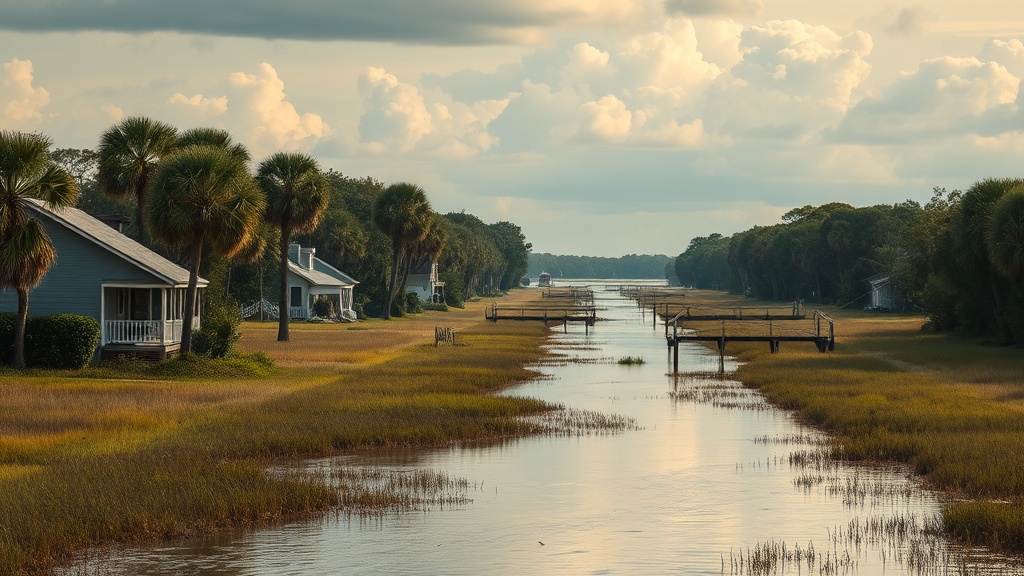
Tidal creeks carve the land, creating a patchwork of wetlands that support an abundance of wildlife and filter water from upland areas before it reaches the ocean.
– Flora and fauna: Live oaks with Spanish moss are iconic, and the region is a migratory bird magnet — think herons, egrets, ospreys, and shorebirds.
Marsh grass, oyster reefs, and salt-tolerant plants sustain complex ecosystems that are both fragile and resilient.
– Culture: Gullah Geechee traditions continue to influence language, art, music, and food. Rice plantation history, maritime trades, and generations of coastal living contribute to a deep sense of place.
Must-experience activities
– Explore barrier islands: Drive or ferry to islands where development is limited, beaches are wide, and sea turtle nesting is protected. Walking shells, watching dolphins at play, and enjoying quiet shoreline are all part of the draw.
– Paddle salt marsh creeks: Kayak or canoe routes bring you close to fiddler crabs, herons, and the rhythmic ebb of tides. Guided eco-tours offer insights into marsh ecology and local conservation efforts.
– Birding and wildlife watching: Tidal flats and marsh edges provide excellent vantage points for migratory birds and resident species. Nature preserves and wildlife refuges often have boardwalks and observation platforms.
– Historic towns and architecture: Charleston, Beaufort, and other coastal towns feature preserved architecture like single houses, wide porches, and narrow alleys.
Walking tours reveal stories about maritime trade, colonial life, and cultural exchange.
Lowcountry cuisine and coastal flavors
Lowcountry cooking celebrates local seafood and seasonal produce. Staples include shrimp and grits, she-crab soup, and Lowcountry boil — a communal dish of shrimp, sausage, corn, and potatoes. Oysters are central to both cuisine and restoration efforts; many communities emphasize sustainable harvesting and reef rebuilding to protect fisheries for the long term.
Sustainability and conservation
With rising interest in coastal living, many local organizations focus on habitat restoration, resilient shoreline practices, and sustainable fisheries.
Community-led oyster restoration, marsh grass planting, and living shoreline projects help stabilize erosion and improve water quality. Responsible tourism—sticking to trails, respecting nesting areas, and supporting local conservation groups—keeps the region healthy for residents and wildlife.
Planning a visit or move
– Packing tips: Bring layers for changing coastal breezes, sun protection for long outdoor days, and sturdy footwear for marsh boardwalks and shelling.
– Getting around: Ferries, scenic drives, and bike-friendly routes make exploring the islands and towns easy. Slower travel allows time for wildlife viewing and spontaneous detours to local markets and galleries.
– Choosing a spot: Waterfront communities offer waterfront access and sunset views, while inland towns provide more shade and quieter neighborhoods. Consider flood-risk maps and local building practices when evaluating properties near tidal creeks.
The Lowcountry captivates with a combination of natural beauty, culinary richness, and cultural depth. Whether you’re drawn by coastal adventures, heritage cuisine, or simply the slow rhythm of tidal life, the region offers an experience that stays with you long after the tide rolls out.