
 Emma Jantzen
 Carolina Lowcountry Travel Guide: Food, Gullah Geechee Culture, Nature & Sustainable Tips
The Carolina Lowcountry stretches along the Atlantic coast where tidal rivers, salt marshes, and barrier islands create a landscape unlike anywhere else.
Known for its moss-draped live oaks, oyster-lined creeks, and a culinary tradition that celebrates the sea, this region blends natural beauty, deep-rooted culture, and a growing focus on conservation and sustainable tourism.
What to taste: Lowcountry cuisine
Seafood is at the heart of Lowcountry foodways. Classic dishes like shrimp and grits, oyster roasts, and Lowcountry boil capture fresh, local flavors.
Look for restaurants and markets that source from local fisheries and emphasize sustainable harvesting.
Don’t miss simpler pleasures: a plate of steamed oysters, a bowl of she-crab soup, or a savory hushpuppy alongside fresh-caught shrimp. Food festivals and farmers’ markets across the region also spotlight heritage ingredients like Carolina gold rice and locally grown vegetables.
Culture and history
The Lowcountry’s cultural identity is heavily shaped by Gullah Geechee heritage. Descendants of West African people who lived and worked in coastal plantations created distinctive language, crafts, culinary techniques, and spiritual traditions that remain vibrant. Historic towns offer museums, guided walking tours, and cultural centers that honor these contributions while encouraging respectful learning. Plantation sites, many set within scenic landscapes, present complex histories—visitors should seek out programs that center the stories of enslaved people and the region’s full historical context.
Nature and outdoor activities
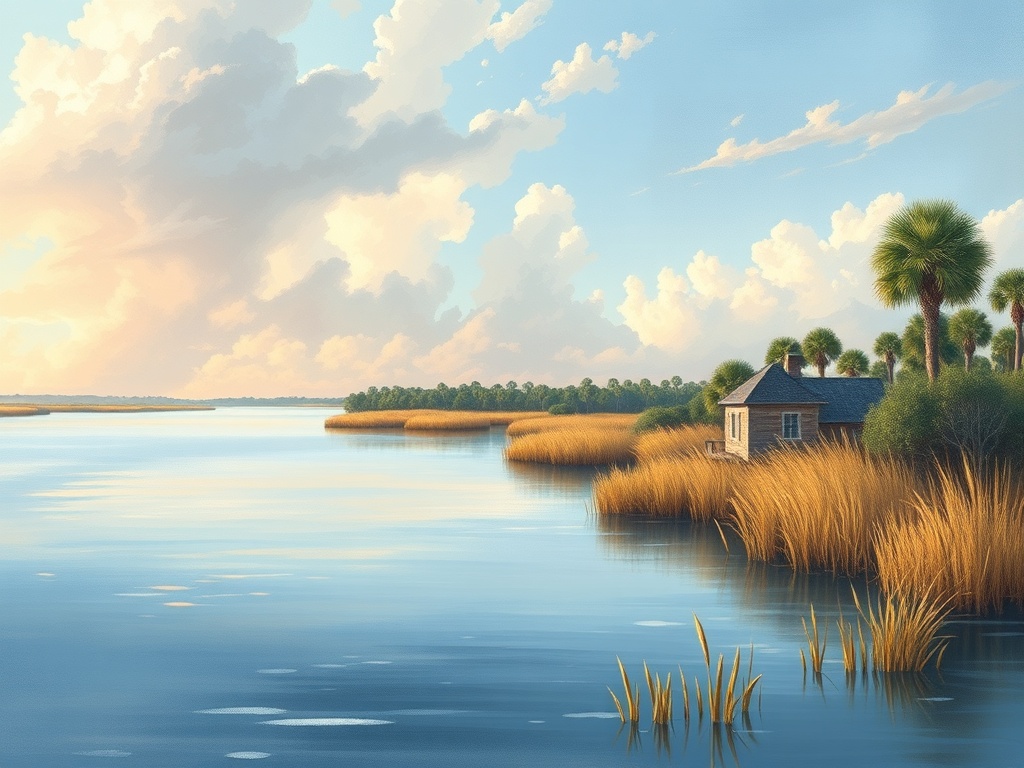
Salt marshes are ecological engines here—nurseries for fish, buffers against storms, and magnets for migratory birds. Kayaking or taking a guided boat tour through tidal creeks brings you up close to marsh grasses, fiddler crabs, and wading birds like egrets and herons. Barrier islands provide pristine beaches, sea turtle nesting sites, and dune ecosystems. Birdwatching is a year-round draw, with shorebirds, raptors, and warblers moving through depending on conditions. For a low-impact experience, choose small-group eco-tours or guided nature walks led by local stewards.
Conservation and responsible travel
Coastal communities are increasingly focused on resilience and habitat restoration.
Efforts to restore oyster reefs, protect marsh edges, and manage freshwater flows help support fisheries and lessen erosion. Visitors can help by following Leave No Trace principles, avoiding driving on fragile dunes, using reef-safe sunscreen, and supporting local businesses that prioritize sustainability. When visiting cultural sites, support community-led tours and buy crafts directly from local artisans.
Practical tips for visiting
– Choose off-peak hours for popular sites to avoid crowds and reduce stress on ecosystems.
– Book guided eco-tours and cultural tours to deepen understanding and support local guides.
– Bring binoculars for birding and a refillable water bottle to minimize waste.
– Respect private property and wildlife closures—many beaches have protected areas for nesting birds or turtles.
– Sample local markets for fresh seafood to experience regional flavors while supporting local fishers.
Whether exploring historic streets of a coastal town, paddling through a salt marsh, or savoring a plate of shrimp and grits, the Carolina Lowcountry offers a powerful mix of natural wonder and cultural richness.
By traveling thoughtfully and supporting local conservation and cultural initiatives, visitors help keep the Lowcountry’s landscapes and traditions healthy and thriving for generations to come.