
 Emma Jantzen
Carolina Lowcountry Travel Guide: Salt Marshes, Gullah‑Geechee Culture, Seafood & Eco-Friendly Activities
The Carolina Lowcountry is a stretch of coastal magic where salt marshes, tidal creeks and barrier islands shape a way of life. From the moss-draped live oaks to the steady rhythm of shrimp boats at dawn, this region blends ecology, cuisine and culture in ways that reward slow travel and careful attention.
What makes the Lowcountry unique
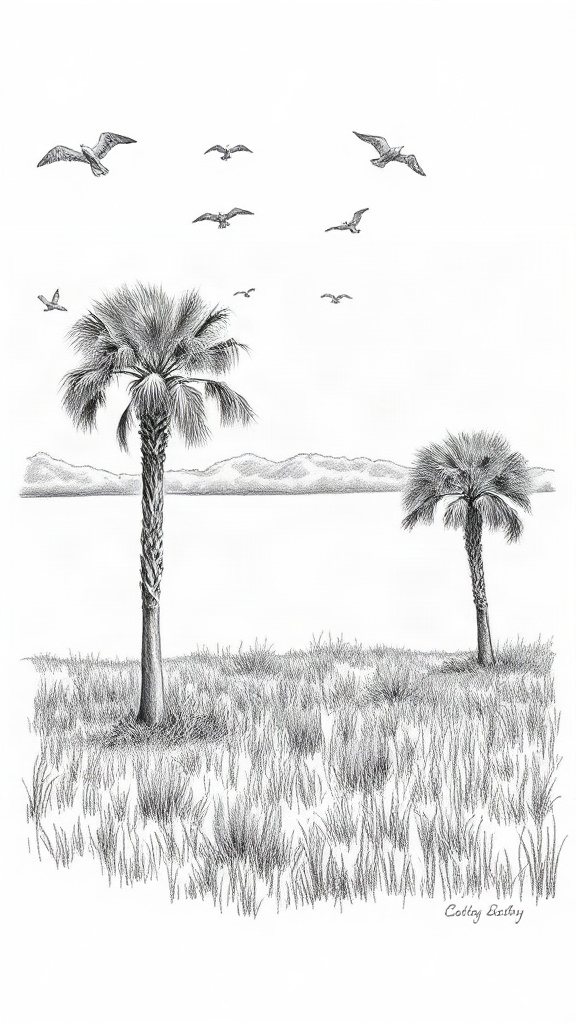
The landscape is dominated by salt marshes—resilient, productive ecosystems that act as nurseries for fish and crustaceans, buffer storm surge and sequester “blue carbon.” Narrow barrier islands line the coast, sheltering calmer inland waters and creating a mosaic of habitats: maritime forests, tidal flats, sandy beaches and estuarine channels.
That diversity supports abundant wildlife: bottlenose dolphins nearshore, migratory shorebirds on mudflats, and loggerhead sea turtles nesting on remote beaches.
Cultural threads: Gullah-Geechee heritage
The Lowcountry’s human story is inseparable from the Gullah-Geechee culture developed by enslaved Africans and their descendants. The region’s Creole language, sweetgrass basket weaving, storytelling and culinary traditions have deep roots and remain a living heritage.
Visiting community-run cultural centers and guided tours offers meaningful context that supports preservation and respectful cultural tourism.
Flavors of the sea and land
Lowcountry cuisine is seafood-forward and unapologetically local. Shrimp, oysters and blue crabs are central, often prepared simply to showcase freshness—think steamed oysters, skillet-seared grouper, or a communal lowcountry boil. Rice and field peas, once regional staples, still influence sides and soups.
Sweetgrass baskets and local produce markets create a sensory itinerary as engaging as any restaurant crawl.
Outdoor pursuits for every pace
Whether you prefer active adventure or quiet observation, the Lowcountry delivers:
– Kayak or paddleboard through tidal creeks and get close to foraging fiddler crabs and wading birds.
– Bike scenic island routes and watch the changing light on marsh grasses.
– Join a guided boat trip to see dolphins and learn about estuary dynamics.
– Walk remote beaches for sea turtle tracks and shorebird sightings; follow local guidelines to protect nesting areas.
Conservation and resilience
Conservation groups, local governments and private landowners are actively managing marsh restoration, living shorelines and habitat protection. Salt marshes are increasingly recognized for their role in coastal resilience and carbon storage, and efforts to restore oyster reefs and seagrass beds both improve water quality and shore protection. Visitors can support these efforts by choosing eco-conscious operators, staying on marked trails and observing wildlife from a respectful distance.
Practical tips for visiting
– Pack light layers and sun protection; coastal conditions change quickly.
– Respect private property and culturally sensitive sites—ask before photographing people or community events.
– Time visits to low tide for shelling and high tide for boating; local tide charts make planning easy.
– Support local businesses: seafood houses, farmers markets and artisans keep the Lowcountry economy vibrant.
Why it matters
The Carolina Lowcountry is more than a scenic destination—it’s a living system where culture and ecology intersect. Visiting thoughtfully, supporting conservation, and engaging with local communities helps preserve the marshes, islands and traditions that make this region special for generations to come.
0 Comment