
 Emma Jantzen
 Complete Guide to the Atlanta BeltLine: Best Trails, Food & Art
The Atlanta BeltLine has become one of the city’s most transformative projects, stitching together neighborhoods with walking and biking trails, public art, green space, and a growing lineup of food and cultural destinations. For both residents and visitors, the BeltLine offers an accessible way to experience the city’s diversity without relying solely on cars.
What to expect on the BeltLine
The BeltLine is a network of multi-use trails and parks that link several neighborhoods, from established hubs to up-and-coming districts. Expect tree-lined stretches for walking and running, dedicated bike lanes in areas, public art installations that change regularly, and small parks that invite picnics or people-watching.
Several commercial nodes along the route attract restaurants, coffee shops, craft breweries, and markets—making it easy to turn a stroll into an indulgent afternoon.
Neighborhood highlights
– Eastside Trail and Krog Street Market: A lively corridor with popular eateries, art spaces, and an energetic nightlife.
The trail connects to historic neighborhoods where old industrial buildings have been repurposed into creative venues.
– Old Fourth Ward: A cultural crossroads known for a mix of historic sites, trendy dining, and access to green spaces along the trail.
– Westside and West End: These areas showcase community resilience and evolving local businesses, with food halls, galleries, and events that reflect neighborhood character.
Practical tips for a better visit
– Start early or later in the afternoon to avoid the hottest hours if you’re visiting during warm months. Shaded stretches exist, but open sections can feel exposed.
– Wear comfortable shoes and bring refillable water. Most trails are walkable end to end in stages, so pacing matters if you plan to cover ground.
– Use public transit and micromobility options—MARTA stations and bike- or scooter-share services can help you access specific trailheads and cut down on walking time between attractions.
– Check for local events and pop-ups. Weekend markets, street festivals, and outdoor concerts pop up frequently along BeltLine corridors.
– Respect residential areas and local businesses. The BeltLine runs through active neighborhoods; parking and noise considerations help preserve community goodwill.
Why the BeltLine matters beyond recreation
The project has sparked substantial private and public investment, reshaping housing, retail, and green infrastructure.
It functions as an urban spine that encourages walking, cycling, and community programming, and it has become a platform for artists and small-business owners. Community-led efforts and public meetings often influence new phases, reflecting ongoing dialogues about affordability, gentrification, and equitable development.
Food and culture access
The BeltLine is a gateway to some of Atlanta’s best casual dining and craft food scenes.
From food halls and farmers markets to popup kitchens and neighborhood bars, the trail connects tastes from across Atlanta’s cultural landscape. Galleries and mural projects provide free, outdoor access to local art, while neighboring venues stage performances and workshops.
A city on the move
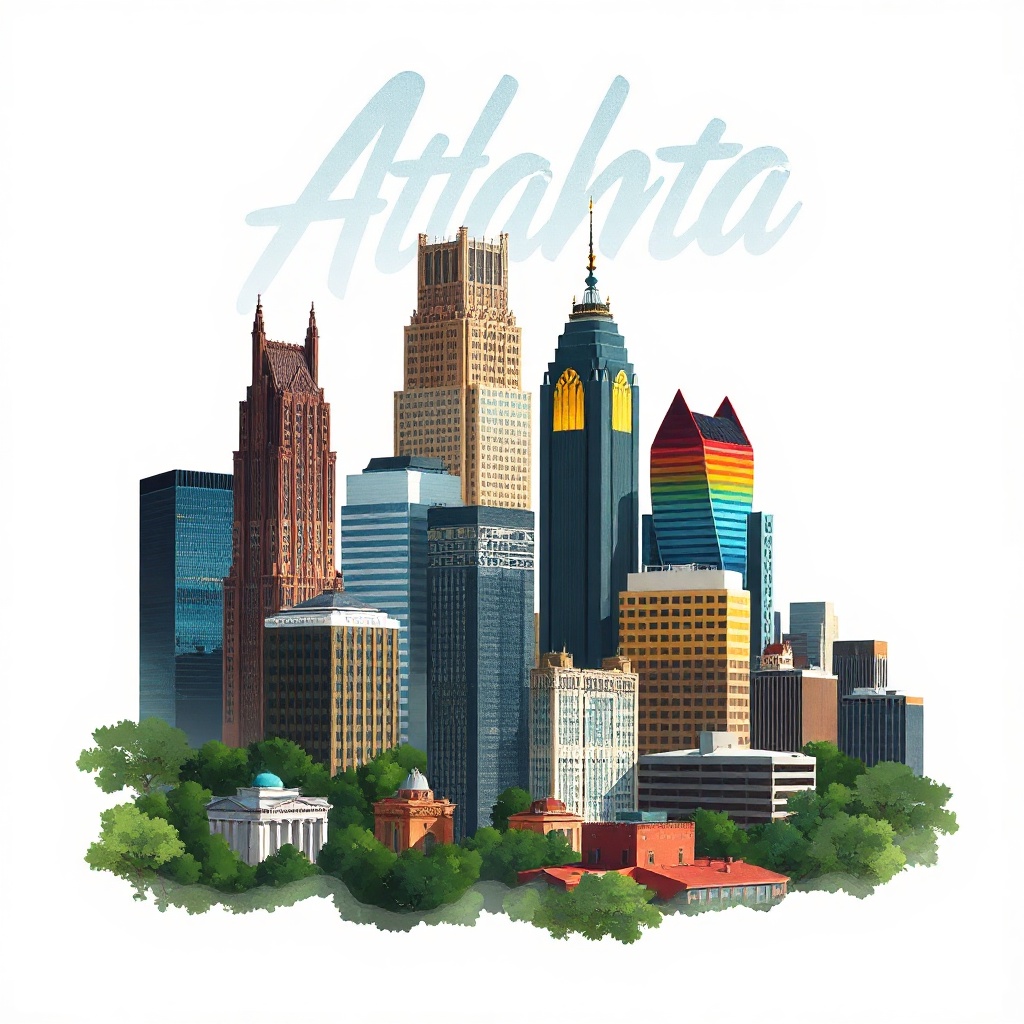
The BeltLine exemplifies how urban design can shape daily life—offering a greener, more walkable alternative to car-dependent routes and creating public spaces where neighbors meet. Whether you’re planning a leisurely weekend walk, a culinary crawl, or an art-focused outing, the BeltLine remains one of the best lenses through which to experience Atlanta’s ongoing evolution.