
 Emma Jantzen
Gulf Beaches Guide: Soft Sand, Wildlife, Top Activities and How to Visit Responsibly
Gulf Beaches: Soft Sand, Wild Shores, and How to Visit Responsibly
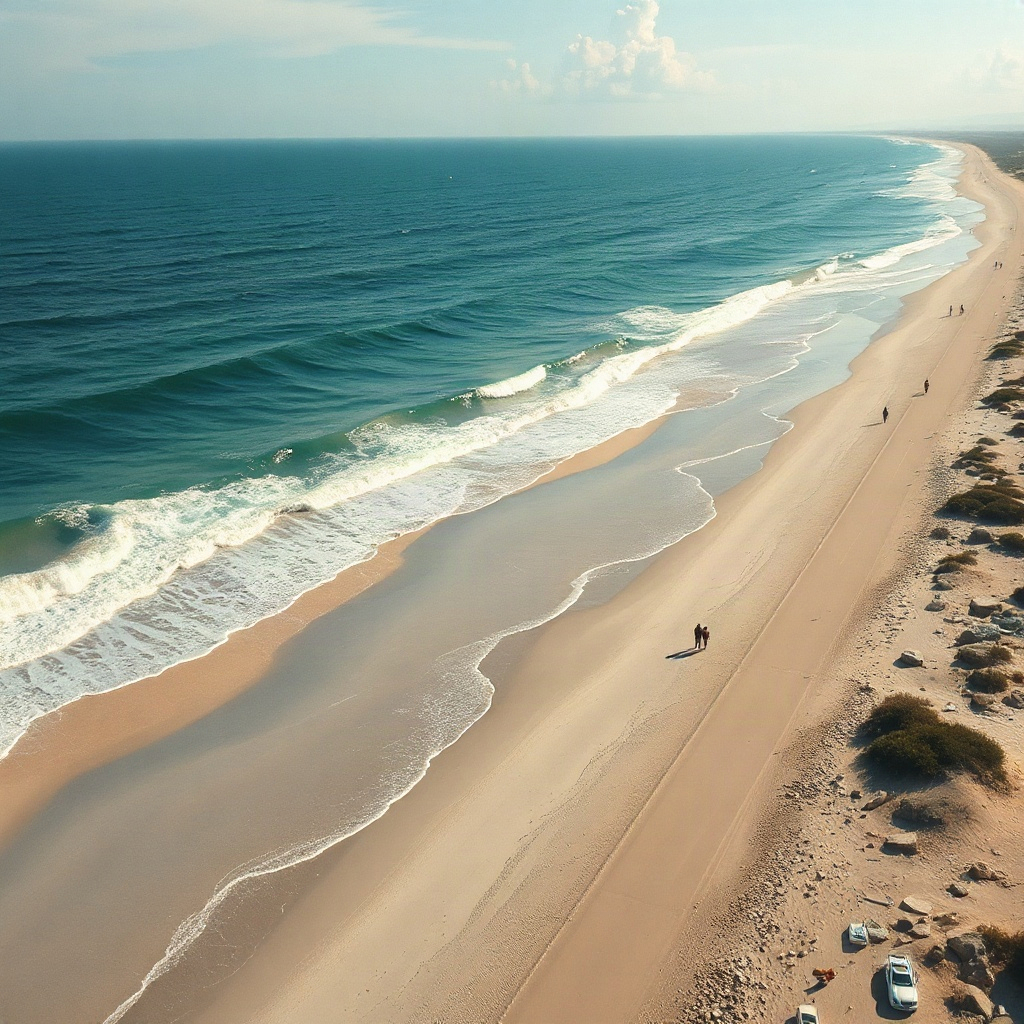
Gulf beaches are known for their wide, powdery sand, calm emerald waters, and long stretches of barrier islands that shelter bustling coastal communities.
These shores attract sun-seekers, anglers, birders, and families looking for relaxed beach days, sunset strolls, and easy access to marine life like dolphins and nesting sea turtles.
What makes gulf beaches special
– Gentle waves and shallow surf make many gulf beaches ideal for swimming, paddleboarding, and wading with small children.
– Barrier islands and dunes form vital coastal buffers that protect inland areas from storms while providing habitat for plants and animals.
– Rich estuaries and tidal flats support fisheries and migratory birds, creating excellent opportunities for birdwatching, kayaking, and eco-tours.
– Wide intertidal zones often reveal shells, sand dollars, and other treasures for casual collectors.
Wildlife and conservation
Gulf beaches support important nesting grounds for sea turtles and shorebirds. Many beaches participate in protection programs that restrict nighttime lighting, close nesting areas during peak seasons, and encourage volunteers for monitoring and rescues. Seagrass beds and oyster reefs nearshore improve water quality, stabilize sediments, and provide nursery habitat for fish and crustaceans. Supporting local conservation groups through donations or volunteer work can make a measurable difference.
Top activities to try
– Shelling and gentle beachcombing: early morning low tides yield the best finds.
– Fishing from piers, jetties, or charter boats: gulf waters are popular for species like redfish, flounder, and snapper.
– Kayaking and stand-up paddleboarding through estuaries and mangrove channels.
– Wildlife watching: look for pods of dolphins, migrating shorebirds, and nesting turtles.
– Photography and sunset viewing: the gulf’s flat horizon produces striking evening light.
Challenges and coastal care
Gulf beaches face pressures from coastal erosion, development, and sea level changes.
Beach nourishment projects and dune restoration are common tools for maintaining recreational shorelines, while living shorelines—using natural materials like oyster reefs and native vegetation—help reduce erosion and improve habitat.
Pollution from runoff and marine debris threatens water quality and wildlife; simple habits like packing out trash, avoiding single-use plastics, and following local disposal rules reduce impacts.
Practical tips for visitors
– Check local advisories for water quality, beach closures, and wildlife protections before visiting.
– Follow posted rules: dog restrictions, dune access points, and lighting ordinances help protect nesting wildlife.
– Use reef-safe sunscreen to protect marine ecosystems.
– Carry a mesh bag for collecting trash and recyclables you find on the beach.
– Respect nesting areas and observe shorebirds and turtles from a distance—never disturb nests or hatchlings.
Sustainable travel choices
Choose accommodations and tour operators that practice sustainability: reduced water use, native landscaping, and support for local conservation efforts.
Opt for guided eco-tours that follow responsible viewing guidelines so wildlife experiences leave no trace.
Supporting local restaurants that source seafood sustainably helps protect fisheries that communities depend on.
Gulf beaches offer a mix of relaxation, outdoor adventure, and meaningful conservation stories. With small changes to how visitors travel and enjoy the shore—staying informed, reducing waste, and supporting restoration—these coastal treasures can remain healthy and welcoming for generations of beachgoers and the wildlife that depend on them.
0 Comment