
 Emma Jantzen
 Gulf Seafood Guide: Buying, Safety & Sustainable Cooking Tips
Gulf seafood remains a culinary cornerstone for coastal communities and home kitchens alike, prized for its flavor, variety, and versatility. From sweet Gulf shrimp to briny oysters and meaty grouper, seafood from the Gulf offers options for quick weeknight meals and show-stopping dinner party dishes.
Understanding what to buy, how to handle it safely, and which choices support healthy fisheries makes home cooking tastier and more responsible.
What to look for: popular Gulf species
– Shrimp: The most iconic Gulf catch—available wild-caught and from local farms. Look for firm texture and a fresh, mild scent.
– Oysters: Gulf oysters are known for their plumpness and mild brininess.
Shells should be closed; avoid any that are gaping.
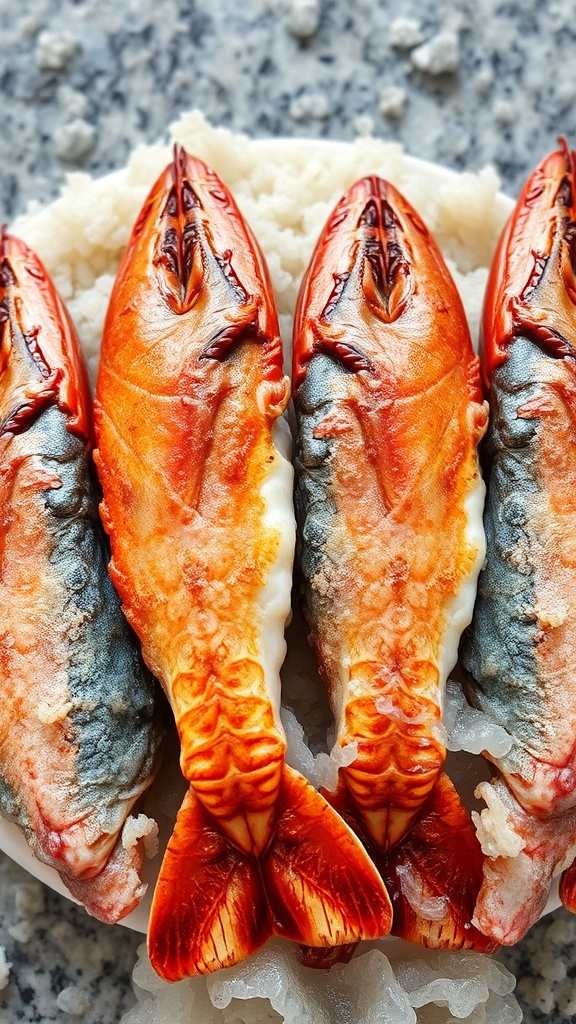
– Snapper and Grouper: Red snapper and various grouper species provide flaky, mild flesh ideal for grilling or baking.
– Blue Crab and Stone Crab: Sweet meat with a distinct texture; perfect for crab cakes, boils, and crab salads.
– Scallops and Fish like Mahi-Mahi: Great for searing, they adapt well to a range of seasonings and preparations.
Sustainability and sourcing
Sustainable choices help protect Gulf ecosystems and ensure seafood is available for future generations. Look for labels and programs that indicate responsible harvesting or farming practices. Local fish markets and community-supported fisheries often provide traceability—information about where and how the seafood was caught or harvested.
Supporting certified suppliers or those who promote gear restrictions that reduce bycatch, such as circle hooks or turtle-excluder devices, helps maintain healthy stocks and habitats.
Safety and environmental concerns
Gulf fisheries face natural and human-made challenges. Harmful algal blooms, commonly known as red tide, can temporarily affect shellfish safety and local advisories may be issued. Sargassum or other seaweed influxes can impact nearshore conditions and the appearance of beaches, but they don’t automatically render seafood unsafe; monitoring advisories from local health or fisheries agencies is key. When buying, rely on reputable vendors who follow regional testing and harvesting guidelines.
Buying and handling tips
– Buy from reputable vendors that provide origin and handling information.
Fresh seafood should smell clean and briny, not fishy.
– For shellfish, check that shells are intact and closed. For fillets, look for glossy flesh without discoloration.
– Keep seafood cold from purchase to preparation. Store fish on ice or in the coldest part of the refrigerator and aim to use fresh catches quickly.
– Freeze portions you won’t use within a couple of days. Vacuum sealing extends quality, but a tight, well-wrapped package also works.
Simple cooking approaches
Gulf seafood is forgiving and fast to cook. Quick sears or grills highlight natural flavors—season simply with citrus, garlic, and herbs.
Steaming oysters or smoking shrimp can introduce depth without masking freshness. For heartier species like grouper, roasting or pan-searing with a brown-butter sauce provides a satisfying finish.
Supporting local economies
Buying Gulf seafood from local fishers, co-ops, or markets not only often yields fresher products but also supports coastal livelihoods. Many communities offer direct-to-consumer programs, subscription boxes, or pop-up markets that connect cooks with freshly landed seafood and the story behind it.
Choosing Gulf seafood thoughtfully enhances flavor on the plate and contributes to healthier coastal ecosystems. With a few buying and handling guidelines, anyone can enjoy the best the Gulf has to offer while supporting sustainable practices and local economies.