
 Emma Jantzen
Gulf Seafood Guide: Flavor Profiles, Safety Tips & Sustainable Sourcing
Gulf Seafood: What to Know About Flavor, Safety, and Sustainability
The Gulf’s coastal waters are known for producing some of the most flavorful and versatile seafood available. From plump brown shrimp to briny oysters and firm-fleshed snapper, Gulf seafood plays a central role in regional cuisine and is prized by chefs and home cooks alike. Understanding which species shine, how to buy and store them, and what sustainability looks like helps you enjoy the best the Gulf has to offer.
Why Gulf seafood stands out
Gulf seafood benefits from nutrient-rich estuaries and a long culinary tradition that emphasizes freshness and simple preparations. Many Gulf species develop distinctive textures and flavors because of the mix of salt and fresh water along the coast. That results in tender shrimp, creamy oysters, and meaty fillets that hold up well to grilling, blackening, or poaching.
Top Gulf species and how to cook them
– Shrimp: Mild, sweet, and quick-cooking.
Peel and devein when needed; sauté, grill on skewers, or toss into pasta or gumbo. Shrimp are great with citrus, garlic, and spicy rubs.
– Oysters: Serve raw on the half shell with mignonette, chargrill with breadcrumbs and Parmesan, or use in stews. Look for plump, closed shells and a fresh briny aroma.
– Red snapper and grouper: Firm, white-fleshed fish that are ideal for baking, grilling, or frying. Simple seasonings let the natural flavor shine—think lemon, butter, and fresh herbs.
– Blue crab: Sweet meat that’s perfect for steaming, in crab cakes, or folded into dips. Steam with seasoning blends or evaporated beer for a classic finish.
– Cobia and mahi-mahi: Meaty, flaky steaks that take well to marinades and high-heat cooking like grilling or pan-searing.
Safety and sourcing: what to check
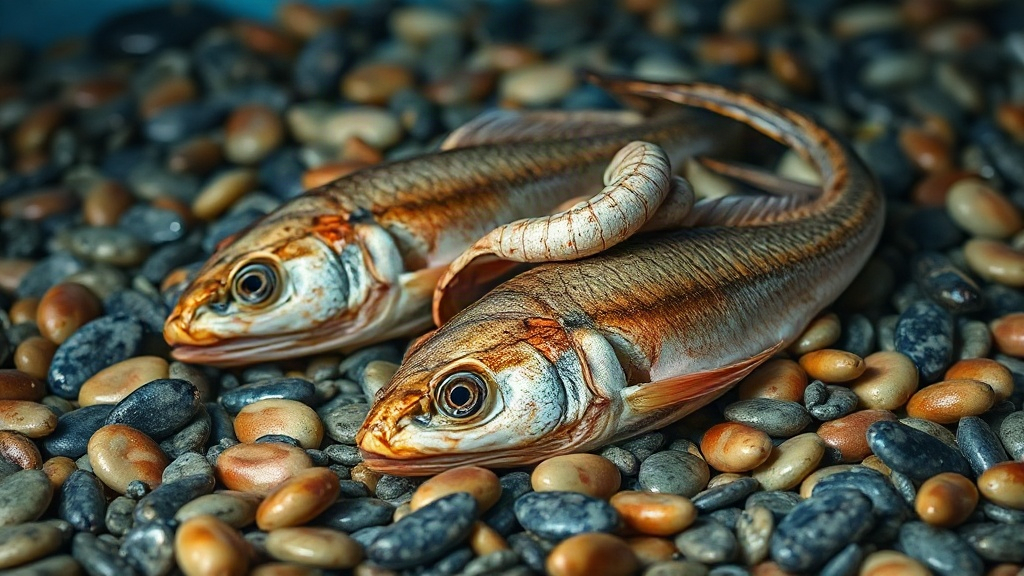
Seafood safety starts with sourcing. Purchase from reputable markets, fish houses, or fishermen selling at dockside. Look for translucent, firm flesh for whole fish and shrimp; avoid strong fishy odors. For oysters and other bivalves, make sure sellers follow safe harvest and refrigeration practices.
Be aware of local seafood advisories related to harmful algal blooms or contamination. Check state health department notices or federal seafood safety resources before harvesting or buying shellfish from the wild. When in doubt, ask your fishmonger where and when the product was caught or harvested.
Sustainability trends to look for
Sustainable practices have expanded across the Gulf, including responsible wild fisheries management and growing aquaculture operations. Look for products that are traceable to their harvest area and fisheries managed with size limits, seasons, and gear restrictions that reduce bycatch. Certified labels from recognized seafood programs can help, but local fisher cooperatives and trusted markets are also reliable sources.
Storing and preparing for peak freshness
Keep seafood cold and use it quickly. Store on ice in the coldest part of the fridge and consume within a day or two when possible.
For longer storage, freeze in airtight packaging to protect flavor and texture.
Thaw frozen seafood in the refrigerator or under cold running water before cooking to preserve quality.
Health benefits
Gulf seafood offers lean protein, heart-healthy omega-3 fatty acids, and essential minerals.
Lower-mercury options like shrimp and smaller fish are safe choices for most diets. For pregnant people, children, and other sensitive groups, check local guidance on which species to limit due to mercury content.
Enjoying Gulf seafood responsibly means combining great flavor with smart buying and handling. Seek out fresh, well-sourced products, follow advisories, and try simple preparations that highlight the natural qualities that make Gulf seafood so special.
0 Comment