
 Emma Jantzen
 How to Plan the Ultimate Bourbon Trail Trip: Route, Tastings & Tips
Planning the ultimate Bourbon Trail trip combines history, craftsmanship, and palate-pleasing discovery. Whether you’re a seasoned bourbon fan or new to amber spirits, a well-planned route unlocks distillery stories, exclusive pours, and bottles you can’t find anywhere else.
Start with a route and reservations
The Bourbon Trail region has a mix of large, iconic distilleries and smaller craft producers. Popular distilleries often require reservations for tours and tastings, and some offer timed-entry experiences with limited capacity.
Book tours early and check whether special experiences—like barrel rack tastings or distiller-led flights—require separate tickets.
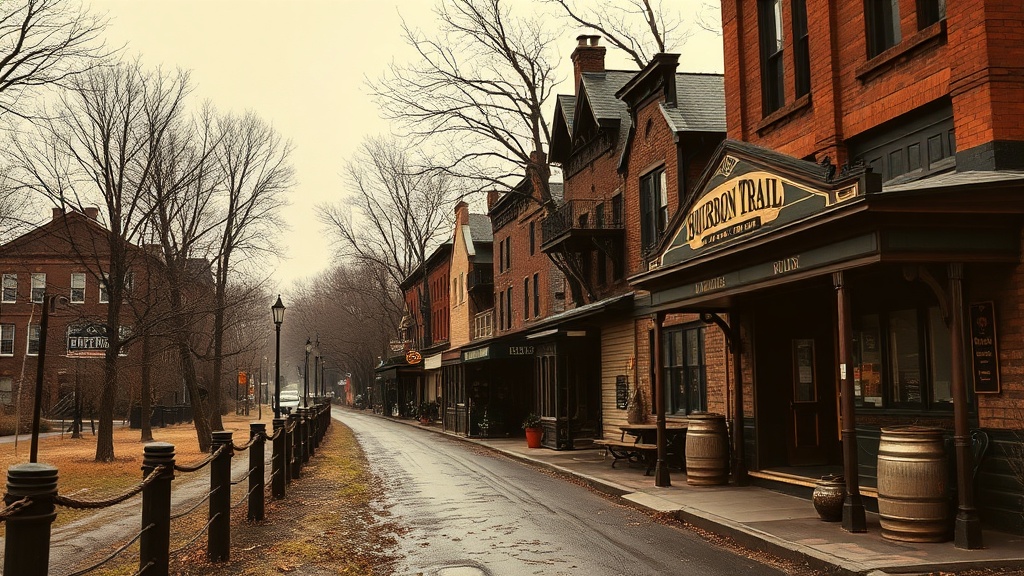
Look for digital passport programs or mobile apps that track visits and sometimes unlock special merch or commemorative pins.
Mix major houses with craft stops
Iconic distilleries provide deep dives into mash bills, aging warehouses, and large-scale production.
Smaller craft distilleries add personality: experimental mash bills, unique finishing techniques, and often distillery-only bottlings. Balancing both types of stops gives a fuller picture of the region’s bourbon landscape and more opportunities for unique purchases.
Tasting etiquette and how to taste like a pro
Approach tastings as a guided sensory exercise. Start with lighter, younger expressions and work toward richer, older, or barrel-finished pours. Use the nosing technique—cup the glass and inhale gently—to identify vanilla, caramel, spice, and oak. Take small sips, let the spirit coat your palate, and notice the finish. Adding a few drops of water can open aromatics in cask-strength pours.
Pace yourself, and consider sharing flights with friends to sample more without overindulging.
Pairings and food stops
Bourbon’s flavor profile pairs well with grilled or smoked meats, dark chocolate, nuts, and sharp cheeses. Many distilleries have on-site cafés, food trucks, or recommended local restaurants nearby—ideal for breaks between tours. Sampling regional cuisine enhances the overall experience and helps moderate alcohol intake.
Shopping and collectibles
Distillery shops are prime places to find exclusive releases, commemorative bottles, and branded glassware. Limited-edition bottles can be allocation-based and sell quickly, so ask staff about release policies and shipping restrictions. For affordable keepsakes, consider a branded Glencairn glass, a tasting flight set, or a small barrel stave.
Logistics and safety
Designate a sober driver, use shuttle services offered by some tour companies, or hire a car service for longer routes.
Distilleries are spread across rural and urban areas, so plan realistic driving times and include overnight stays to avoid rushed visits. Keep ID handy—proof of age is required at every distillery.
Season and crowd tips
Spring and fall usually offer mild weather and scenic backroads, while summer can bring heat and busier visitor centers.
Weekdays are often less crowded than weekends. If attending festivals or major events, anticipate higher demand for accommodations and tour slots.
Capture the experience
Bring a camera or use your phone to photograph barrelhouses, historic architecture, and tasting notes.
Many distilleries welcome photos in visitor areas but have restrictions on production floors—check rules before snapping.
Responsible enjoyment makes the trip memorable and safe. With intentional planning—reservations, a balanced mix of distilleries, and sensible pacing—you’ll experience the depth and diversity of the Bourbon Trail and return with stories, flavors, and bottles that keep the journey alive. Plan your route, secure tickets, and savor every sip.