
 Emma Jantzen
 How to Plant and Care for Magnolia Trees: Choosing Varieties, Watering, Pruning & Landscaping Ideas
Magnolia trees are prized for their dramatic blooms, glossy foliage, and timeless presence in gardens and streetscapes.
From compact garden varieties to stately specimen trees, magnolias offer striking seasonal interest and workable care requirements for gardeners at every skill level.
Why magnolias are worth planting
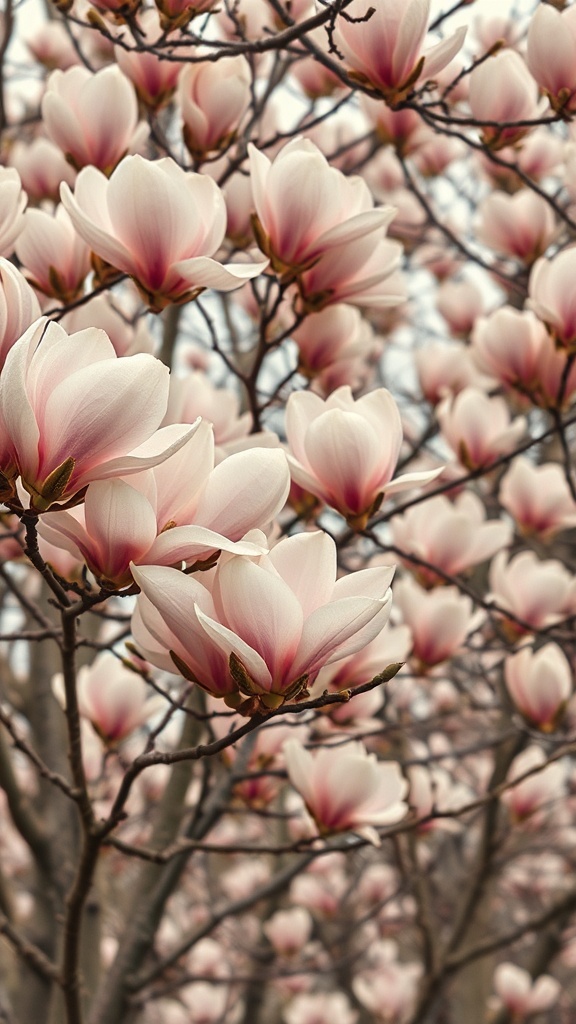
– Spectacular flowers: Large, often fragrant blossoms appear before or during leaf-out on many species, creating a dramatic display that draws attention.
– Versatile forms: Choices range from small, multi-stemmed shrubs to tall, single-trunk trees—use them as focal points, screens, or understorey specimens.
– Wildlife value: Flowers and seeds attract pollinators and birds; evergreen types provide year-round cover.
Choosing the right variety
Consider mature size, bloom time, and whether you prefer evergreen or deciduous foliage. Larger evergreen selections provide shade and privacy, while saucer and star magnolias offer an abundance of spring flowers for smaller spaces. Look for dwarf or compact cultivars for containers or confined yards.
Planting essentials
– Location: Plant in a site with full sun to partial shade. Morning sun with afternoon shade benefits species susceptible to petal scorch.
– Soil: Magnolias prefer well-drained, slightly acidic to neutral soil. Avoid heavy clay that stays waterlogged; if necessary, amend planting beds to improve drainage.
– Planting depth: Set the root ball so the top is slightly above surrounding grade to prevent settling and root suffocation. Backfill gently and water thoroughly.
– Mulch: Apply 2–3 inches of organic mulch to conserve moisture and regulate soil temperature, keeping the mulch a few inches away from the trunk to prevent rot.
Watering and feeding
Newly planted magnolias need regular watering through their first two growing seasons to establish roots.
Once established, many magnolias tolerate moderate drought but perform best with consistent moisture.
Feed in spring with a slow-release, balanced fertilizer formulated for trees and shrubs; avoid over-fertilizing, which can reduce bloom.
Pruning and maintenance
– Timing matters: For spring-blooming magnolias, prune immediately after flowering to avoid removing next season’s buds.
Evergreen magnolias can be pruned lightly in late winter or summer to maintain shape.
– Minimal shaping: Magnolias rarely need heavy pruning.
Remove dead, crossing, or damaged branches and keep cuts clean to encourage good structure.
– Protect young trees: Stake only if necessary and avoid trunk damage from lawn equipment.
Pests and diseases to watch for
Common problems include scale insects, which can be managed with horticultural oil and targeted treatments, and fungal leaf spots that respond to improved air circulation and sanitation.
Poor drainage increases risk of root rot, so site selection and soil preparation are crucial.
Propagation options
Magnolias can be grown from seed, though seeds often require stratification and may not come true to parent. Semi-hardwood cuttings and layering are faster ways to replicate desirable cultivars; many named varieties are propagated by grafting to ensure consistent traits.
Landscaping ideas
Use magnolias as a dramatic entry statement, a patio backdrop, or paired with shade-loving underplantings like azaleas, ferns, and camellias.
Evergreen magnolias make excellent screens; smaller flowering types are ideal for courtyards and small gardens.
With thoughtful siting and modest care, magnolia trees reward gardeners with breathtaking blooms and enduring presence. Whether planting a compact cultivar in a container or a grand specimen in a lawn, these trees bring fragrance, structure, and seasonal drama to a wide range of landscapes.