
 Emma Jantzen
 Magnolia Trees for Every Landscape: Selection, Planting & Care Tips
Why magnolia trees belong in every landscape
Magnolia trees are prized for dramatic flowers, glossy foliage, and a refined presence that works in formal gardens and casual landscapes alike.
With species ranging from compact, starry-flowered shrubs to towering evergreens, magnolias offer variety for patios, street trees, and estate-scale plantings.
Their strong visual appeal and fragrant blooms make them a go-to choice for designers and home gardeners seeking seasonal impact.
Choosing the right magnolia
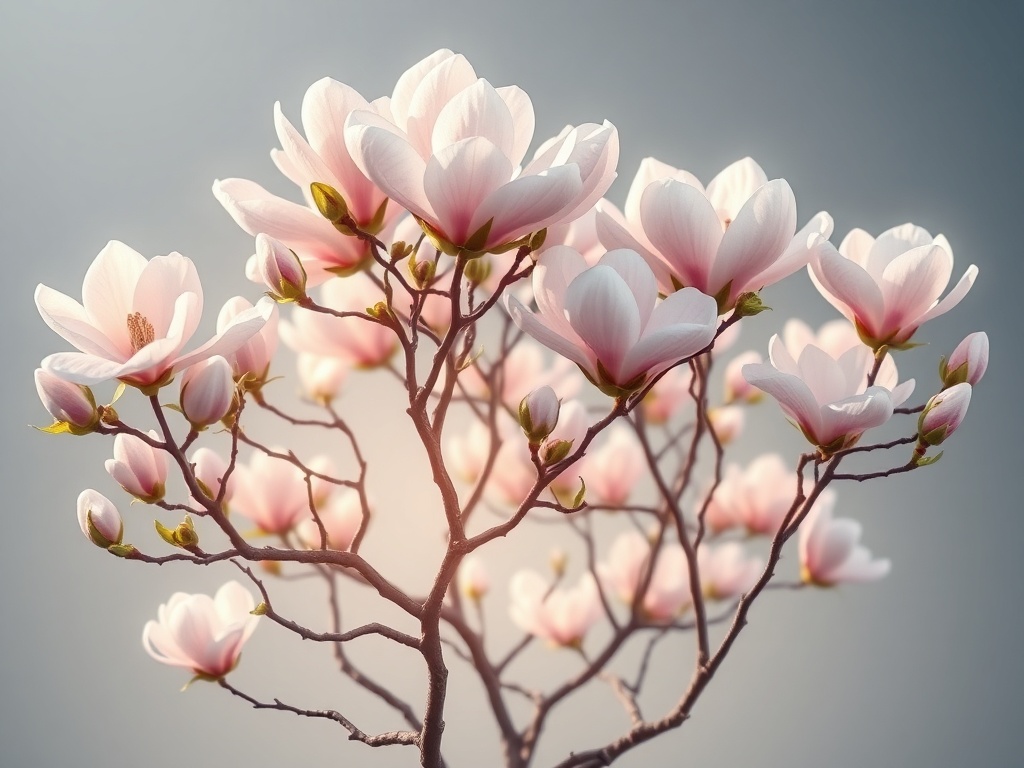
Deciduous magnolias, such as saucer and star types, provide a spectacular early-season display with large, often fragrant blossoms. Evergreen varieties, like the southern magnolia, deliver year-round structure with glossy leaves and huge, creamy-white flowers. Consider mature size, bloom habit, and climate tolerance when selecting a cultivar. Compact hybrids are available for small yards or container growing, while larger species suit parks and large properties.
Planting and siting essentials
Magnolias thrive in well-draining, slightly acidic to neutral soil rich in organic matter. Planting in a sheltered spot reduces wind damage to delicate blooms and leaves. Most magnolias perform best in full sun to light shade—morning sun with some afternoon protection works well in hotter climates. Give them room: many magnolias develop broad crowns and surface roots, so avoid planting too close to foundations or paved areas.
Care and maintenance tips
– Watering: Keep young trees consistently moist while roots establish. Mature magnolias tolerate short dry spells but prefer regular deep watering during extended drought.
– Mulching: Apply a 2–4 inch layer of organic mulch to conserve moisture, suppress weeds, and moderate soil temperature. Keep mulch slightly away from the trunk to prevent rot.
– Fertilizing: Use a balanced, slow-release fertilizer if growth appears slow or leaves show deficiency symptoms. Over-fertilizing can encourage weak growth and reduce flower production.
– Pruning: Minimal pruning is usually best. Prune immediately after flowering for spring-blooming types to avoid cutting off next season’s buds.
For structural issues, remove crossing branches and dead wood during the dormant period.
Pests and diseases
Magnolias are relatively resilient but can face specific problems. Magnitude of magnolia scale—a large, waxy insect—can weaken trees; treat with horticultural oil during appropriate weather windows or consult a certified arborist for severe infestations. Fungal issues such as leaf spot or root rot may appear in poorly drained sites; good sanitation, proper siting, and fungicide interventions when necessary help manage outbreaks. Regular inspection helps catch issues early.
Propagation and longevity
Magnolias can be propagated from seed, semi-hardwood cuttings, or grafting.
Seed-grown trees may take many years to bloom, while grafted or rooted cuttings preserve desirable cultivar characteristics and flower sooner.
Many magnolias are long-lived when sited and maintained properly, often providing decades of beauty.
Landscape uses and companion plants
Pair magnolias with understory shrubs and perennials that enjoy similar soil and light conditions—azaleas, rhododendrons, and shade-tolerant ferns are natural companions. For seasonal interest, choose groundcovers or spring bulbs that won’t compete with the tree canopy. Use magnolias as focal points near entryways, along drives, or in mixed borders where their form and flowers can be appreciated up close.
With thoughtful selection and basic care, magnolia trees reward gardeners with unforgettable blooms, distinctive foliage, and a timeless sense of elegance in the garden.